Back to Markets
Stocks● Neutral

Saudi Arabia’s Competitiveness Surge Validates Vision 2030 Structural Reforms

Saudi Arabia’s Competitiveness Surge Validates Vision 2030 Structural Reforms
ONHASHUBSAS

Saudi Arabia’s rise to 17th in the IMD World Competitiveness Ranking underscores the success of Vision 2030 reforms, signaling a shift toward a more robust and diversified private sector.

AlphaScala Research Snapshot
Live stock context for companies directly referenced in this story
Alpha Score
45
Weak

Alpha Score of 45 reflects weak overall profile with strong momentum, poor value, poor quality, weak sentiment.

Consumer Cyclical

HASBRO, INC. currently screens as unscored on AlphaScala's scoring model.

Technology
Alpha Score
32
Poor

Alpha Score of 32 reflects weak overall profile with poor momentum, poor value, moderate quality, moderate sentiment.

Consumer Cyclical
Alpha Score
47
Weak

Alpha Score of 47 reflects weak overall profile with moderate momentum, poor value, moderate quality. Based on 3 of 4 signals — score is capped at 90 until remaining data ingests.

This panel uses AlphaScala-native stock data, separate from the source wire linked above.

Saudi Arabia has ascended to the 17th position in the latest IMD World Competitiveness Ranking, marking a significant advancement driven by a series of legislative and structural overhauls. This jump of more than 20 places reflects the tangible impact of the Kingdom's ongoing economic diversification efforts under the Vision 2030 framework. The improvement is rooted in the systematic removal of regulatory barriers and the modernization of the domestic business environment, which has effectively lowered the friction for both local and international capital deployment.

Structural Shifts in the Regulatory Landscape

The climb in the rankings is a direct consequence of the government's focus on streamlining the commercial ecosystem. By prioritizing the digitization of government services and the modernization of the legal framework, the Kingdom has created a more predictable environment for private sector growth. These reforms are not merely administrative; they serve as the foundation for attracting foreign direct investment into non-oil sectors. The acceleration of these initiatives is further detailed in the Saudi Commercial Register Reform Accelerates Private Sector Diversification report, which outlines how simplified registration processes are lowering entry costs for new market participants.

Capital Concentration and Infrastructure Development

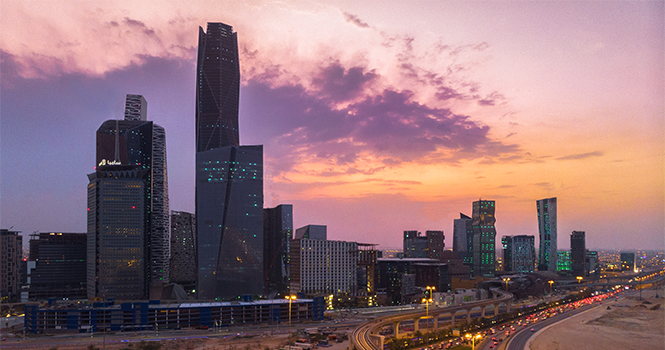
Central to this competitive gain is the rapid development of specialized economic zones and financial hubs, most notably the King Abdullah Financial District (KAFD) in Riyadh. This district serves as a physical manifestation of the Kingdom's ambition to become a regional financial powerhouse. By concentrating high-end infrastructure and regulatory incentives in a single zone, the government has created a magnet for multinational corporations looking to establish a presence in the Middle East. This infrastructure push is critical for maintaining the momentum of the current ranking surge, as it provides the necessary physical capacity to support a more diversified economy.

Market Context and Future Benchmarks

The broader regional market is currently undergoing a shift as neighboring economies compete for capital inflows. Saudi Arabia’s performance in the IMD index provides a quantitative benchmark for the efficacy of its reform agenda compared to its peers. While the current ranking highlights progress, the next phase of development will likely hinge on the private sector's ability to scale operations within these new regulatory parameters. Investors should monitor upcoming quarterly reports regarding non-oil revenue growth and the rate of new business licenses issued through the unified commercial registry system. These metrics will serve as the next concrete indicators of whether the current legislative momentum is translating into sustained corporate profitability and private sector expansion.

How this story was producedLast reviewed Apr 25, 2026

AI-drafted from named sources and checked against AlphaScala publishing rules before release. Direct quotes must match source text, low-information tables are removed, and thinner or higher-risk stories can be held for manual review.

Editorial Policy·Report a correction·Risk Disclaimer