Stocks● Neutral
Manipur Conflict Spreads to Ukhrul, Threatening Regional Stability
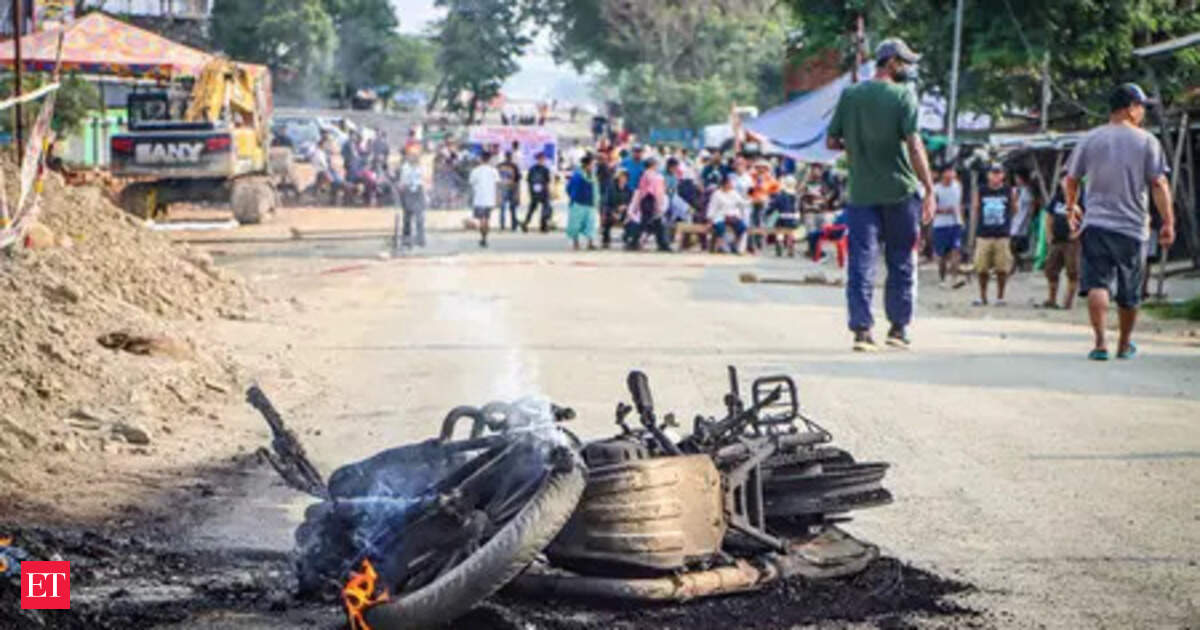
Three fatalities in Ukhrul signal a critical expansion of unrest. With ON and AS scoring 45 and 47, monitor how this volatility impacts regional supply chains.
Continue with
The ethnic conflict in Manipur has entered a new phase of instability following a violent clash in the Ukhrul district. This event marks a significant expansion of the unrest, which had previously been concentrated in other regions of the state. The involvement of Naga-dominated areas introduces a complex layer to the ongoing security crisis, as these regions were previously considered outside the primary theater of the localized fighting.
Security and Regional Stability
The incident on Friday resulted in three fatalities and multiple injuries, prompting an immediate surge in security operations. Authorities are currently focused on containment to prevent the violence from spreading further across the border district. The shift in geography suggests that the mechanisms previously used to isolate the conflict are under pressure, forcing security forces to reallocate resources to maintain order in areas that were previously stable.
This expansion complicates the broader regional outlook, as the involvement of additional ethnic groups and territories often disrupts local supply chains and administrative functions. The primary concern for regional stability is whether this escalation will trigger a wider breakdown in law and order or if the current security surge will successfully isolate the unrest. The ability of the state to manage these border districts is now the central variable in determining the duration of the current volatility.