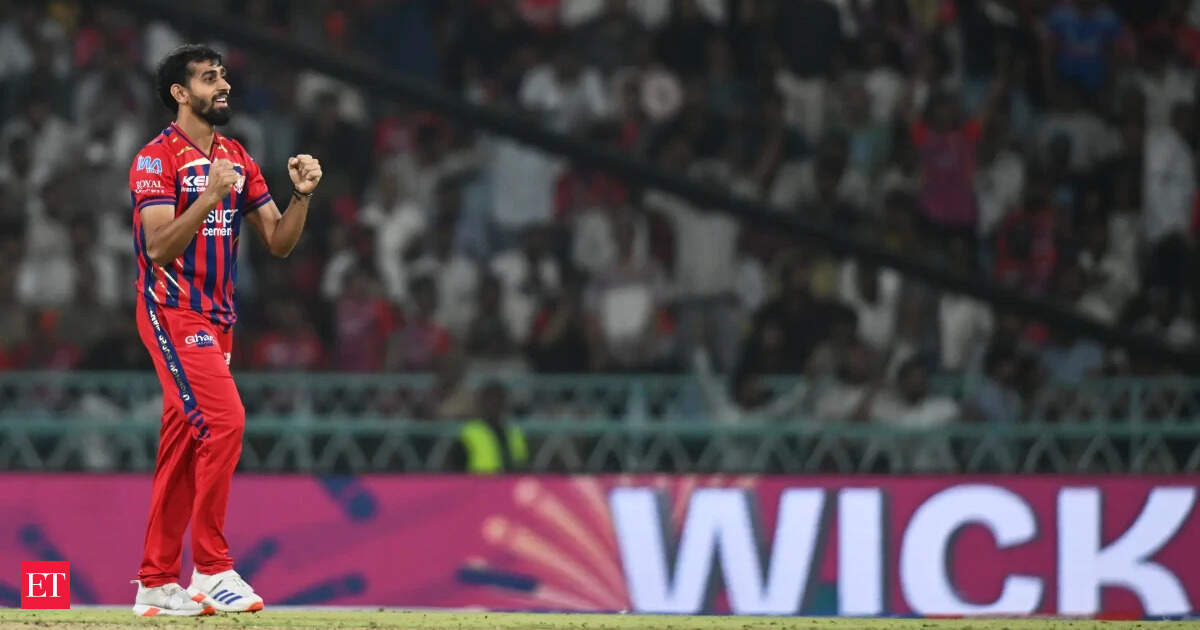
The emergence of a new cohort of fast-bowling talent in India, catalyzed by the 2026 Indian Premier League (IPL) season, marks a significant departure from historical reliance on a narrow pool of specialists. This shift toward a deeper, more versatile roster of quicks provides the necessary infrastructure to sustain performance across a dense international schedule. The current development cycle prioritizes raw pace combined with technical fundamentals, moving away from the previous model that often struggled to bridge the gap between domestic potential and international readiness.
Institutionalizing Bowling Depth
The integration of young prospects such as Prince Yadav and Ashok Sharma into the IPL ecosystem serves as the primary engine for this transformation. By exposing these bowlers to high-pressure environments early in their careers, the domestic system has created a repeatable process for identifying and refining talent. This depth is essential for managing the physical toll of modern cricket, where the ability to rotate personnel without a drop-off in quality is a competitive necessity. The focus has shifted from finding a single generational talent to maintaining a pipeline that can withstand the attrition of a multi-format calendar.
The Economic and Operational Impact
For stakeholders in the sports industry, the professionalization of these talent pipelines mirrors broader trends in stock market analysis where scalability and risk mitigation define long-term success. The ability to produce world-class assets at a lower cost through internal development programs reduces the reliance on external recruitment or over-extended veterans. This operational efficiency is a direct result of the structural investments made in coaching and scouting over the last several cycles. Similar to how firms like FAST optimize their distribution networks to ensure reliability, the Indian cricket board is optimizing its player distribution to ensure consistent output.
AlphaScala data currently reflects a mixed outlook for several industrial and tech-focused equities, including NOW and AS, as these entities navigate their own sector-specific growth challenges. Much like the cricket board, these companies are currently balancing the need for immediate performance with the necessity of long-term structural investment. The success of the current bowling initiative will be measured by the conversion rate of these prospects into permanent fixtures in the national squad over the next 24 months.
The next concrete marker for this narrative will be the selection process for the upcoming international test series. The performance of these new bowlers in high-stakes, non-T20 formats will determine whether this depth is truly sustainable or merely a byproduct of the shorter, high-intensity IPL environment. Observers should monitor the specific rotation policies implemented by the national selectors as the primary indicator of how much confidence the organization has in this new generation of quicks.