Strait of Hormuz Disruption Triggers Global Oil Supply Contraction
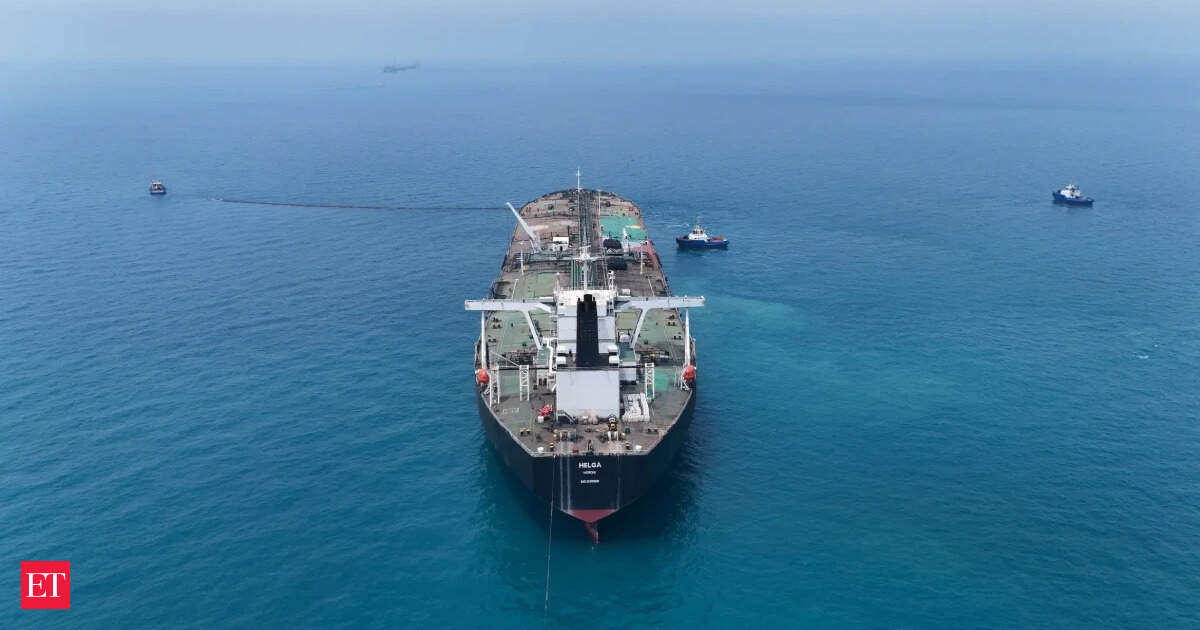
The closure of the Strait of Hormuz has triggered a significant supply-side shock, forcing a reassessment of global energy inventories and threatening to induce demand destruction as prices react to the bottleneck.
Alpha Score of 47 reflects weak overall profile with moderate momentum, poor value, moderate quality. Based on 3 of 4 signals — score is capped at 90 until remaining data ingests.
HASBRO, INC. currently screens as unscored on AlphaScala's scoring model.
Alpha Score of 45 reflects weak overall profile with strong momentum, poor value, poor quality, weak sentiment.
Alpha Score of 50 reflects weak overall profile with strong momentum, poor value, moderate quality, moderate sentiment.
The closure of the Strait of Hormuz has introduced an immediate supply-side shock to the global energy market. As one of the world's most critical maritime chokepoints, the inability to transit crude oil through this corridor creates an instant bottleneck for producers in the Persian Gulf. The resulting supply contraction forces a rapid reassessment of inventory levels held by major importers, as the physical flow of barrels is effectively severed.
Inventory Depletion and Supply Chain Fragility
Global stockpiles act as the primary buffer against maritime transit disruptions, but these reserves are finite. As the duration of the closure extends, the inability to replenish these inventories at standard rates forces a shift in logistics. Refineries that rely on consistent, high-volume crude arrivals from the region face an immediate need to source alternative supplies or reduce throughput. This creates a cascading effect where the lack of feedstock limits the production of refined products, tightening the availability of fuels across international markets.
Demand Destruction and Consumer Response
Persistent supply constraints typically lead to elevated price volatility, which eventually forces a change in consumption patterns. When energy costs rise sharply, industrial and retail sectors often experience a decline in discretionary spending. The current disruption suggests that if the supply gap remains unaddressed, the resulting price pressure will likely lead to demand destruction. Consumers and manufacturers alike are forced to curtail usage as the cost of energy becomes prohibitive, effectively cooling demand through economic necessity rather than market preference.
Sectoral Impact and Market Data
Energy-intensive industries are particularly vulnerable to these shifts in supply availability. While the broader market monitors the geopolitical situation, technology and consumer-facing sectors often see indirect impacts through rising operational costs. Our internal metrics reflect the current uncertainty, as seen in the mixed Alpha Scores for companies like NOW at 51/100, ON at 45/100, and AS at 47/100. These scores indicate that broader market sentiment remains cautious as energy volatility ripples through the supply chain.
For further analysis on how regional industrial shifts are altering energy requirements, see our report on Saudi non-oil expansion. The next concrete marker for the market will be the release of updated tanker tracking data and official inventory reports from major energy agencies. These figures will provide the first quantitative assessment of how much physical supply has been removed from the market and whether alternative transit routes are successfully mitigating the shortfall. Traders should look for shifts in forward-month futures contracts as a primary indicator of how the market is pricing the duration of this transit risk.
AI-drafted from named sources and checked against AlphaScala publishing rules before release. Direct quotes must match source text, low-information tables are removed, and thinner or higher-risk stories can be held for manual review.