Back to Markets
Stocks● Neutral

Political Rhetoric and Institutional Stability in Zambia

Political Rhetoric and Institutional Stability in Zambia
ONASAKEY

Political rhetoric regarding the transition of power in Zambia has sparked debate, with opposition figures warning that such messaging carries significant electoral and institutional risks.

AlphaScala Research Snapshot
Live stock context for companies directly referenced in this story
Alpha Score
45
Weak

Alpha Score of 45 reflects weak overall profile with strong momentum, poor value, poor quality, weak sentiment.

Consumer Cyclical
Alpha Score
47
Weak

Alpha Score of 47 reflects weak overall profile with moderate momentum, poor value, moderate quality. Based on 3 of 4 signals — score is capped at 90 until remaining data ingests.

Alpha Score
55
Moderate

Alpha Score of 55 reflects moderate overall profile with moderate momentum, moderate value, moderate quality. Based on 3 of 4 signals — score is capped at 90 until remaining data ingests.

Financials
Alpha Score
71
Moderate

Alpha Score of 71 reflects strong overall profile with strong momentum, strong value, moderate quality, moderate sentiment.

This panel uses AlphaScala-native stock data, separate from the source wire linked above.

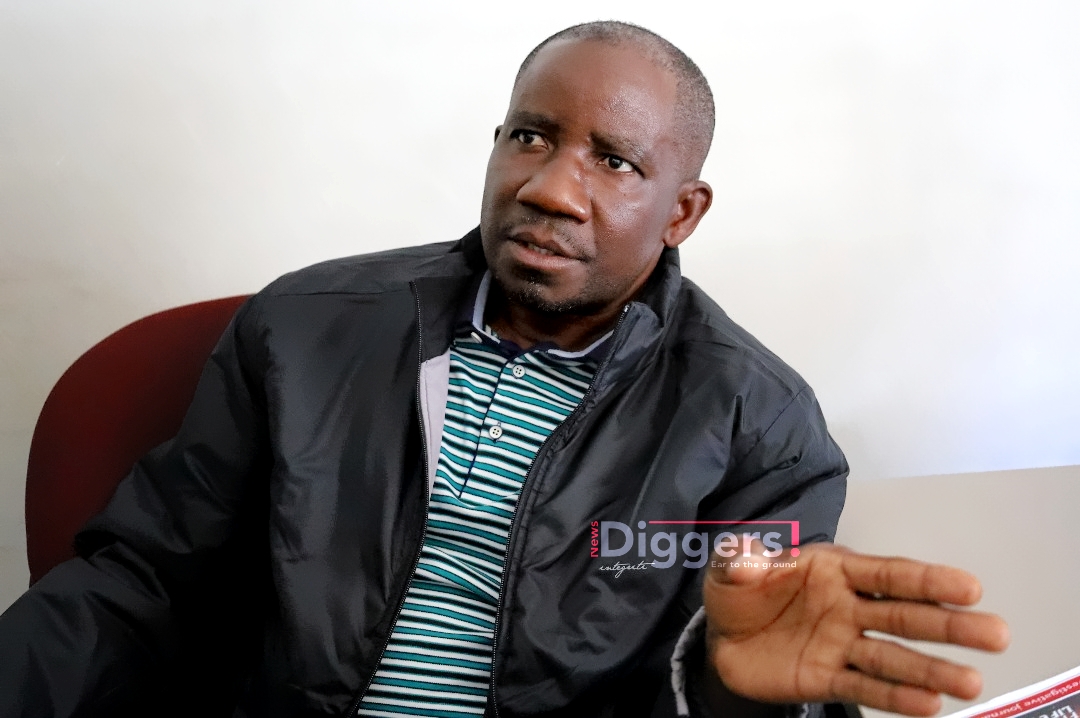
The political discourse in Zambia has shifted toward concerns regarding the transition of power and the integrity of democratic processes. Recent comments from Patriotic Front (PF) senior member Mwimba Malama serve as a direct critique of the United Party for National Development (UPND) and its current messaging. Malama argues that public assertions by ruling party members regarding the retention of power mirror the rhetoric that previously alienated voters and contributed to the electoral defeat of the PF. This friction highlights the sensitivity of political messaging in a climate where institutional trust remains a central theme for the electorate.

The Impact of Political Messaging on Governance

The core of the current debate centers on the perception of democratic continuity. When political actors frame governance as a permanent fixture rather than a temporary mandate, it invites scrutiny from both domestic stakeholders and international observers. The history of political shifts in Zambia demonstrates that voters are highly responsive to perceived arrogance or the subversion of electoral norms. By framing the current UPND rhetoric as a potential catalyst for future instability, Malama is positioning his party to capitalize on voter fatigue and the desire for a more transparent transition process.

This narrative is not occurring in a vacuum. It follows a period of intense debate surrounding legislative and administrative changes, such as those discussed in the Nomination Fee Hikes Ignite Political Debate in Zambia. These policy shifts, combined with the ongoing discussions regarding the Government Reaffirms Delimitation Act Stability Amid Seat Expansion Debate, suggest that the political landscape is becoming increasingly polarized. The ability of the ruling party to manage these perceptions will likely dictate the tone of future electoral cycles.

Economic and Institutional Consequences

For investors and market participants, the stability of the political environment is a primary indicator of long-term risk. Frequent debates over the legitimacy of power transfers can lead to policy uncertainty, which often impacts capital allocation and regulatory predictability. While the current dispute is primarily rhetorical, it signals a broader trend of political maneuvering that could influence future legislative priorities.

Market participants often look for consistency in governance to assess the viability of long-term infrastructure and development projects. When political leaders prioritize rhetoric about power retention over the implementation of economic reforms, the risk premium associated with the domestic market tends to rise. The following factors remain critical for monitoring the stability of the current administration:

  • The frequency of public statements regarding electoral outcomes.
  • The response of independent oversight bodies to political rhetoric.
  • The alignment of legislative agendas with public sentiment regarding democratic norms.

As the political climate evolves, the next concrete marker will be the upcoming parliamentary sessions, where the government's legislative agenda will be tested against the backdrop of these public criticisms. The ability of the UPND to pivot away from polarizing language will be a key indicator of their commitment to maintaining institutional stability ahead of the next election cycle.

How this story was producedLast reviewed Apr 19, 2026

AI-drafted from named sources and checked against AlphaScala publishing rules before release. Direct quotes must match source text, low-information tables are removed, and thinner or higher-risk stories can be held for manual review.

Editorial Policy·Report a correction·Risk Disclaimer