Back to Markets
Stocks● Neutral

Nomination Fee Hikes Ignite Political Debate in Zambia

Nomination Fee Hikes Ignite Political Debate in Zambia
ONAASCOST

The Electoral Commission of Zambia's decision to hike nomination fees has sparked a debate over political accessibility, raising concerns about the financial barriers to leadership and the potential impact on electoral competition.

AlphaScala Research Snapshot
Live stock context for companies directly referenced in this story
Alpha Score
45
Weak

Alpha Score of 45 reflects weak overall profile with strong momentum, poor value, poor quality, weak sentiment.

Alpha Score
55
Moderate

Alpha Score of 55 reflects moderate overall profile with moderate momentum, moderate value, moderate quality. Based on 3 of 4 signals — score is capped at 90 until remaining data ingests.

Consumer Cyclical
Alpha Score
47
Weak

Alpha Score of 47 reflects weak overall profile with moderate momentum, poor value, moderate quality. Based on 3 of 4 signals — score is capped at 90 until remaining data ingests.

Consumer Staples
Alpha Score
57
Moderate

Alpha Score of 57 reflects moderate overall profile with moderate momentum, moderate value, moderate quality, moderate sentiment.

This panel uses AlphaScala-native stock data, separate from the source wire linked above.

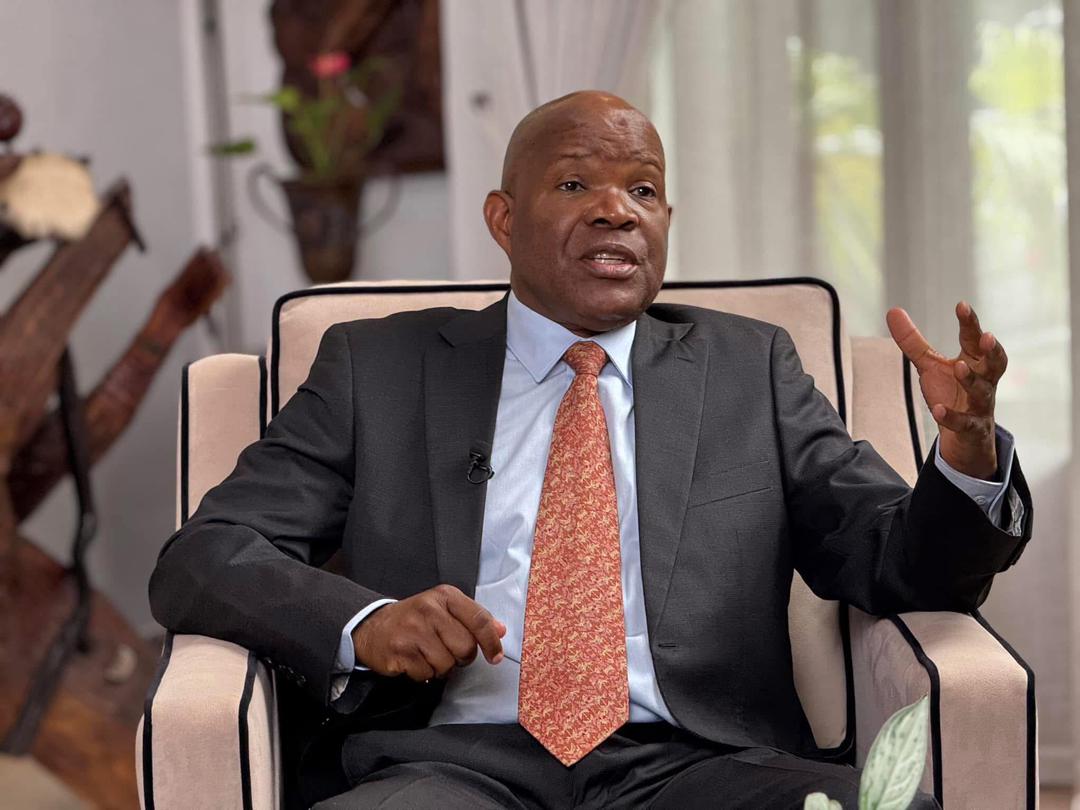
The Electoral Commission of Zambia (ECZ) has introduced a significant upward adjustment to nomination fees for political candidates, triggering a sharp rebuke from opposition leadership. Socialist Party president Dr. Fred M’membe characterized the move as a barrier to entry that effectively places a price tag on public service. The core of the contention lies in the fundamental philosophy of governance, as critics argue that the financial burden imposed by the commission restricts the pool of potential representatives to those with substantial capital.

Financial Barriers to Political Participation

The decision to raise these fees creates a direct conflict between the administrative requirements of the electoral body and the accessibility of the democratic process. By mandating high upfront costs, the ECZ is effectively shifting the operational burden of elections onto the candidates themselves. This policy shift forces a re-evaluation of how political parties allocate resources, as funds previously earmarked for grassroots campaigning or policy development must now be diverted to satisfy regulatory entry requirements. The debate highlights a growing tension between the state's need for self-funded electoral infrastructure and the need for inclusive political representation.

Sectoral Read-through and Governance Risks

For investors and observers of emerging market political stability, this development serves as a proxy for broader regulatory risk. When the cost of political participation rises, the resulting landscape often favors incumbent parties or well-funded entities, which can lead to policy stagnation or reduced competition. This environment often precedes shifts in legislative priorities, as parties that survive the high cost of entry may prioritize fiscal recovery or rent-seeking behaviors to recoup their initial investments.

AlphaScala data currently tracks various sectors for volatility, including Communication Services, where T (T stock page) holds a Moderate Alpha Score of 61/100. While this political shift is specific to the Zambian electoral landscape, the broader trend of rising administrative costs in emerging markets often correlates with increased scrutiny of stock market analysis regarding regional stability and foreign direct investment.

The Path Toward Election Cycles

The next concrete marker for this issue will be the formal filing period for upcoming electoral cycles. Observers should monitor whether the ECZ provides any concessions or tiered fee structures in response to the public outcry. If the commission maintains the current fee schedule, the focus will shift to how smaller political parties consolidate their resources or whether they form coalitions to bypass the financial threshold. The ultimate test of this policy will be the final count of registered candidates, which will provide a clear metric on whether the fee hike has successfully curated the field or effectively disenfranchised a segment of the political spectrum.

How this story was producedLast reviewed Apr 19, 2026

AI-drafted from named sources and checked against AlphaScala publishing rules before release. Direct quotes must match source text, low-information tables are removed, and thinner or higher-risk stories can be held for manual review.

Editorial Policy·Report a correction·Risk Disclaimer