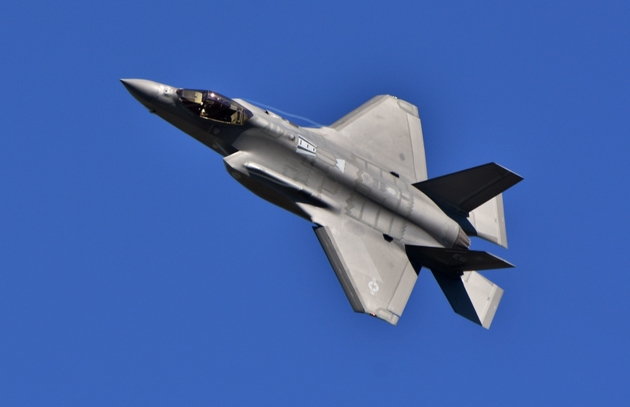
The United States Air Force and Navy have proposed a significant acceleration in the procurement of Lockheed Martin F-35 fighter jets over the next five-year budget cycle. This strategic pivot serves as a direct rebuttal to ongoing criticism regarding the platform's potential obsolescence in a rapidly evolving theater of aerial warfare. By formalizing a multi-year acquisition plan, the Department of Defense is signaling that the F-35 remains the cornerstone of its tactical aviation strategy despite persistent technical and budgetary scrutiny.
Strategic Reinvestment in Tactical Aviation
The proposed increase in purchase volume suggests that military leadership prioritizes the integration of existing airframe capabilities over immediate transitions to next-generation alternatives. This commitment provides a stable demand floor for Lockheed Martin, which has faced pressure to justify the program's long-term utility against emerging drone technology and advanced integrated air defense systems. The decision to commit to a five-year procurement horizon indicates that the military views the F-35 as a reliable asset for current and near-future mission requirements.
For investors monitoring the LMT stock page, this development acts as a stabilizing force for the company's backlog. While the program has historically been a focal point for cost-overrun concerns, a consistent procurement schedule allows for better manufacturing efficiency and supply chain predictability. The move effectively extends the lifecycle of the program, ensuring that the production line remains active through the end of the decade.
Sector Read-Through and Program Viability
The broader defense sector often relies on these multi-year commitments to offset the volatility associated with individual annual budget appropriations. By locking in volume, the Pentagon reduces the risk of sudden production cuts that could otherwise disrupt the company's operational margins. This shift is particularly relevant as the industry navigates a transition toward more autonomous systems, where the role of manned fighter jets is frequently debated.
AlphaScala data currently assigns LMT an Alpha Score of 31/100, reflecting a Weak label within the Industrials sector. This score highlights the challenges the company faces in balancing high-stakes government contracting with the need for consistent margin expansion. While the F-35 remains a critical revenue driver, the company must continue to demonstrate that these increased purchase volumes translate into sustainable profitability rather than just top-line growth.
The Path to Delivery and Oversight
The next concrete marker for this procurement plan will be the formal congressional approval process for the upcoming defense budget. Legislative scrutiny remains the primary hurdle for the proposed volume increases, as lawmakers continue to weigh the costs of the F-35 against competing modernization priorities. Any deviation from the proposed five-year schedule in the final appropriations bill will serve as the primary indicator of whether the military's confidence in the platform is fully shared by the legislative branch. Investors should monitor upcoming committee hearings for any adjustments to the requested unit counts or delivery timelines.