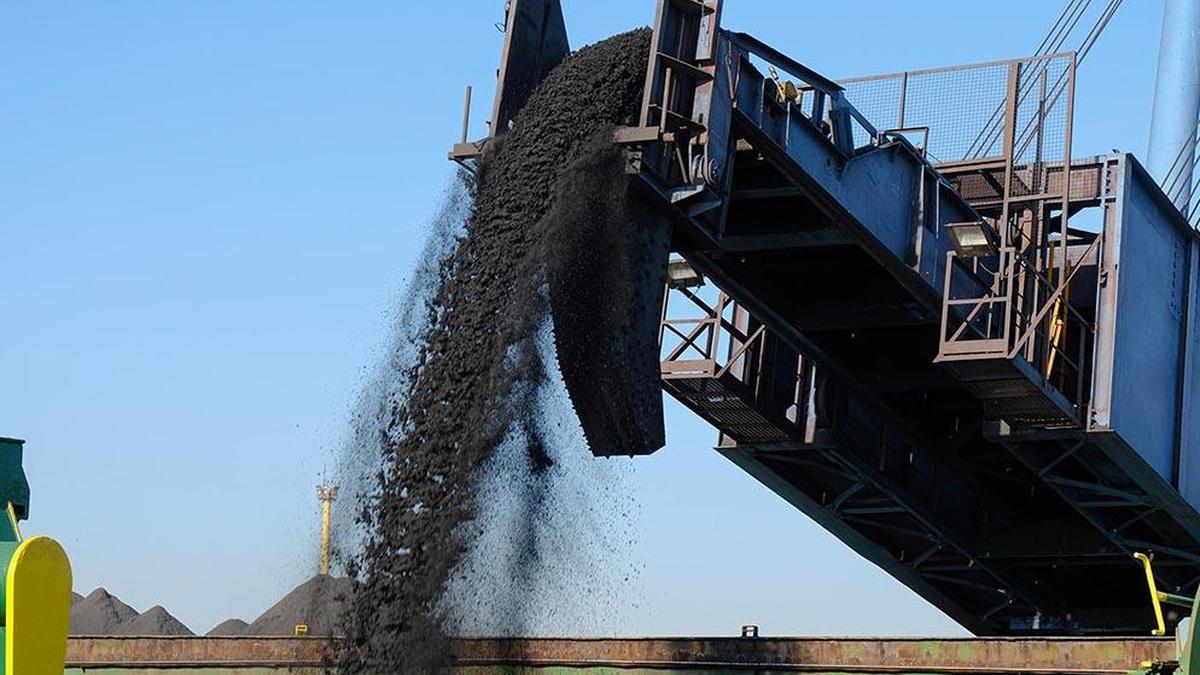
NMDC has implemented a price increase of ₹200 per tonne for both iron ore lumps and fines, effective May 6. This adjustment brings the price of baila lump ore to ₹5,500 per tonne and fines to ₹4,700 per tonne. As India's largest iron ore miner, accounting for approximately 20 percent of domestic production, NMDC serves as a primary price setter for the local steel manufacturing supply chain. The previous pricing structure, established on April 5, had set these grades at ₹5,300 and ₹4,500 per tonne respectively.
Supply Chain Cost Transmission
The immediate impact of this hike is a direct increase in raw material input costs for steel producers. Because iron ore is a foundational component for steel, which supports critical sectors including infrastructure, construction, and automotive manufacturing, these adjustments rarely remain isolated at the mining level. Manufacturers typically face a choice between absorbing the higher input costs, which compresses operating margins, or passing the expense down to end-users. Given the scale of NMDC's output, this move serves as a benchmark for the broader industry, often influencing contract negotiations across the domestic steel market.
Tax and Regulatory Layering
It is essential to note that the new rates of ₹5,500 and ₹4,700 per tonne are base prices. They exclude a complex layer of additional costs, including royalty, district mineral fund contributions, the National Mineral Exploration Trust, forest permit fees, transit fees, and GST. For traders and industrial buyers, the final landed cost of the material is significantly higher than the headline price increase. The volatility in these ancillary charges, combined with the base price hike, creates a challenging environment for long-term procurement planning. Market participants should monitor whether downstream steel producers attempt to adjust their own product pricing in response to these elevated procurement costs.
Sectoral Context
While NMDC maintains a dominant position in the domestic market, its pricing strategy is often viewed through the lens of global commodity trends and internal demand cycles. For those tracking broader industrial inputs, this move reinforces the current inflationary pressure on raw materials. Investors in the healthcare sector, such as those monitoring IRON stock page, should distinguish between these industrial commodity dynamics and specific equity performance, as the latter is driven by clinical and regulatory milestones rather than mining output. AlphaScala currently assigns Disc Medicine, Inc. (IRON) an Alpha Score of 37/100, reflecting a mixed outlook within the healthcare sector.
The next concrete marker for this trend will be the quarterly financial reporting from major steel manufacturers, which will reveal the extent to which these increased input costs are being successfully passed through to the consumer or if they are eroding profit margins. Further updates to the pricing schedule will depend on domestic demand levels and the stability of the broader commodities analysis landscape.