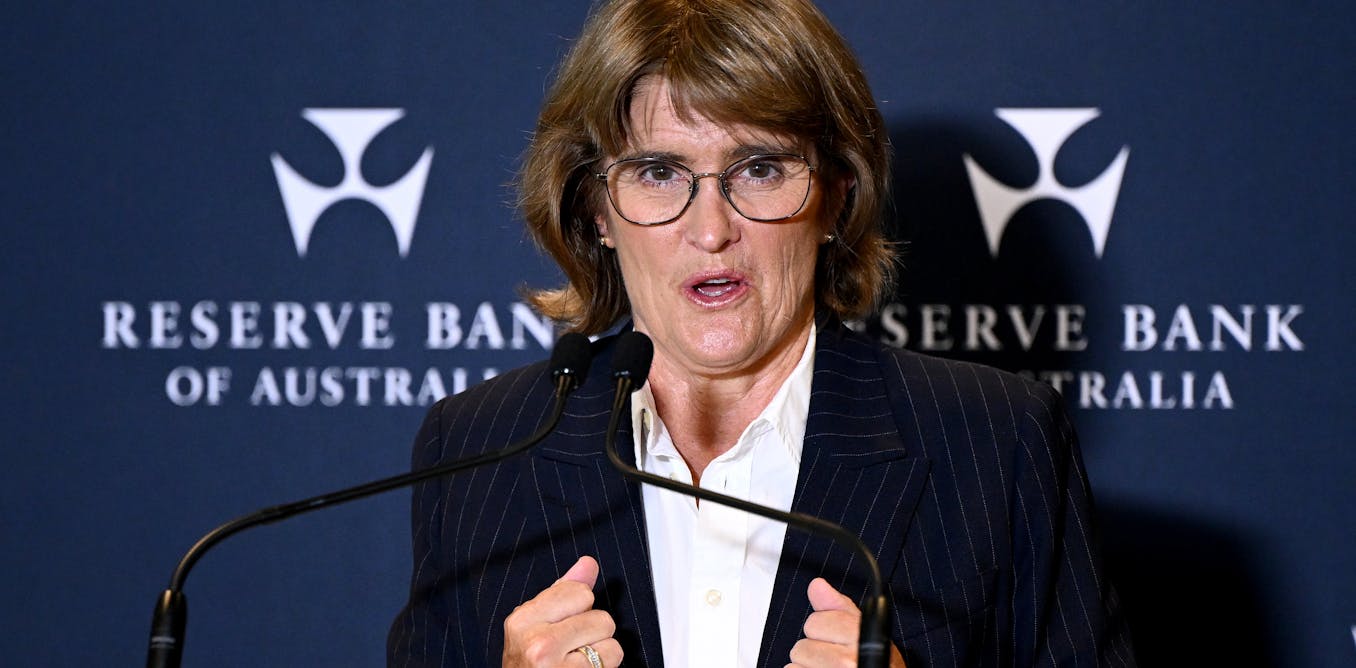
The Reserve Bank of Australia moved the official cash rate to 4.35% in April 2026, delivering a 25 basis point hike that signals a continued commitment to tightening financial conditions. This decision, backed by an 8-1 vote, marks the third consecutive increase this year. The central bank is navigating a complex environment where persistent inflation remains the primary driver of policy, even as global geopolitical tensions in the Middle East introduce new layers of uncertainty for commodity prices and supply chains.
Transmission Through Australian Yields and the Dollar
The immediate impact of a 4.35% cash rate is a repricing of short-end Australian government bond yields. As the RBA maintains a hawkish stance, the yield curve faces pressure to flatten if the market begins to price in a terminal rate that could stifle long-term growth. For the Australian Dollar, the carry trade appeal remains a significant factor. Higher nominal rates relative to other major economies typically support the currency, but this strength is often offset by the sensitivity of the AUD to global risk appetite and the performance of key commodities like iron ore and energy.
When the RBA signals that rates will stay higher for longer, the transmission to the broader economy occurs through mortgage repricing and reduced discretionary spending. Households in Australia are highly sensitive to variable-rate debt, meaning the 25 basis point move has a direct, mechanical effect on disposable income. This creates a feedback loop where the central bank must balance the need to crush inflation against the risk of a sharp contraction in consumer demand. Traders should monitor how the local banking sector adjusts its net interest margins in response to these elevated funding costs.
Industrial Sector and Equity Market Read-Throughs
The industrial sector often serves as a proxy for the health of the Australian economy during tightening cycles. Companies like RB Global Inc. (RBA) operate within this broader macro framework, where capital expenditure and fleet management demand are influenced by the cost of borrowing. With an Alpha Score of 37/100, the stock reflects a mixed outlook as the market weighs the company's operational efficiency against the headwinds of a high-rate environment. You can track the latest developments for the firm on the RBA stock page.
Market participants should look beyond the headline rate to the RBA's commentary on the neutral rate. If the central bank suggests that the current 4.35% level is still stimulatory, the path for further hikes remains open. Conversely, any shift in language regarding the lag effect of previous hikes would suggest a pause is imminent. The next critical decision point will be the release of the quarterly Consumer Price Index data, which will determine if the RBA maintains its current trajectory or if the 8-1 vote split signals a growing internal divide over the necessity of further tightening.