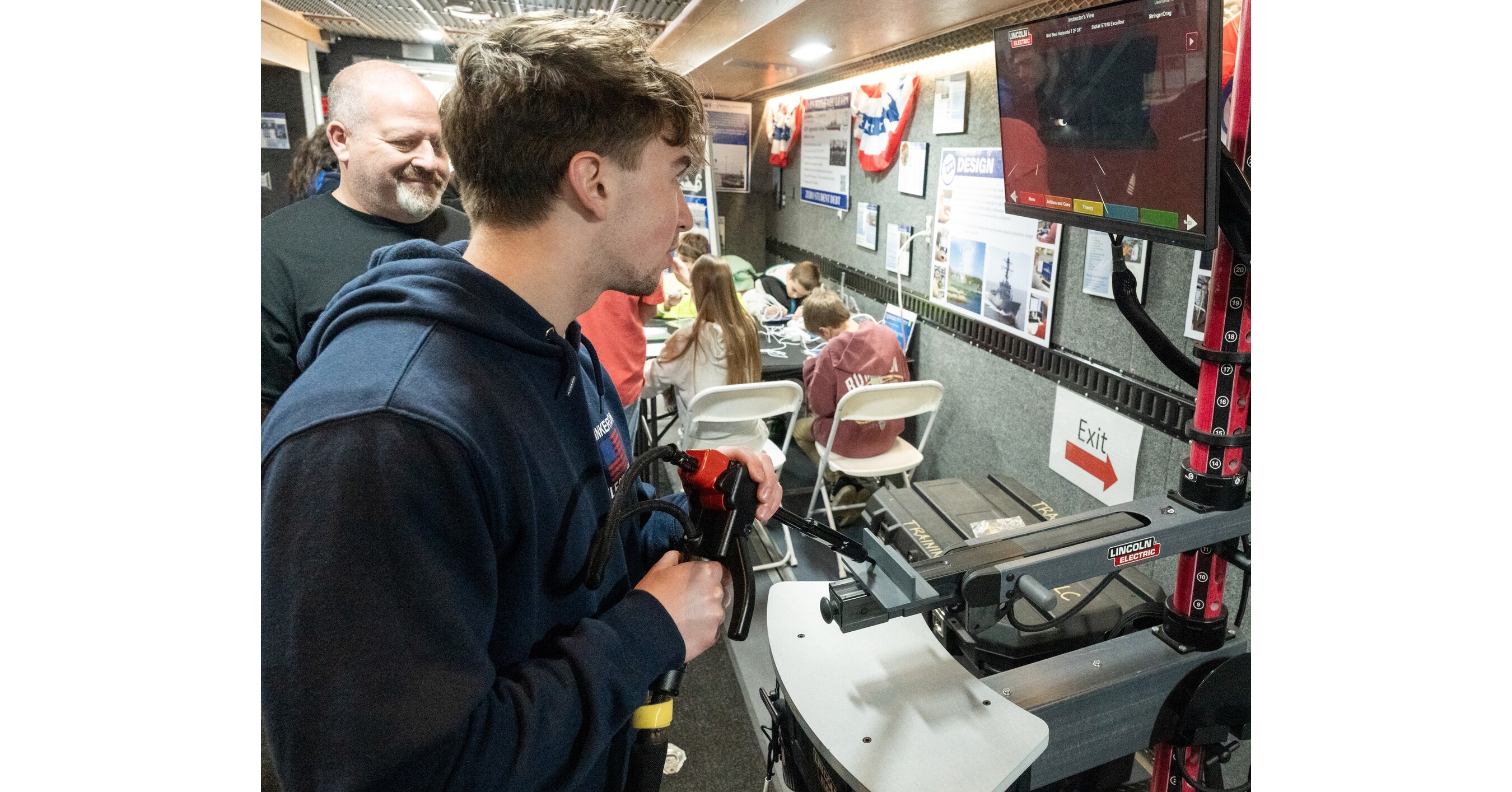
The Maine Defense Industry Alliance (MDIA) is set to host a targeted recruitment initiative at the Bring Back the Trades (BBTT) Skills Expo on May 19 at Southern Maine Community College. This event functions as a tactical response to a deepening labor shortage that threatens the operational capacity of Maine's defense contractors. While the event is framed as a community outreach program, it represents a critical structural effort to secure the human capital required to fulfill multi-billion dollar defense contracts. The defense sector in Maine currently employs over 20,000 people across 150 companies, including major entities like General Dynamics Bath Iron Works, Pratt & Whitney, and the Portsmouth Naval Shipyard.
The Economic Mechanism of the Labor Shortage
The urgency behind this recruitment drive is rooted in a broader national trend identified by a recent report from BBTT and the F.W. Webb Company. The report projects that nearly 1.4 million skilled trades jobs across seven core occupations—electricians, mechanics, plumbers, welders, construction workers, HVAC technicians, and carpenters—will remain unfilled by 2030. The economic cost of this vacancy is estimated at $325.6 billion in lost GDP annually. In New England alone, the labor gap manifests as 41,000 open positions, resulting in $11 billion of lost annual economic output. For the defense sector, these figures are not merely macroeconomic statistics; they represent direct risks to production schedules and national security deliverables.
Structural Demand in Maine’s Defense Pipeline
Maine’s defense contractors face a specific, localized challenge: they must add thousands of skilled workers over the next five years to maintain pace with national security requirements. The MDIA, a coalition of industry, government, and educational partners, was established specifically to address this bottleneck. The upcoming Skills Expo at Southern Maine Community College serves as a primary mechanism to bridge the gap between high school students, recent graduates, and the defense industry. By providing direct access to employers and hands-on demonstrations, the MDIA aims to convert interest into enrollment pathways for trade schools and training programs.
Evaluating the Recruitment Strategy
The effectiveness of this initiative will be measured by its ability to secure long-term commitments from the local workforce. Unlike traditional job fairs, the event includes the awarding of local scholarships, which lowers the barrier to entry for prospective tradespeople. This is a deliberate effort to bypass the traditional four-year degree pipeline and accelerate the time-to-productivity for new hires. Investors tracking the defense sector should view these workforce development initiatives as leading indicators of a company's ability to scale production. A failure to fill these roles could lead to increased labor costs as firms compete for a shrinking pool of talent, potentially compressing margins on fixed-price government contracts.
Risk and Operational Constraints
The primary risk to this thesis is the competition for labor across other sectors of the economy. As the BBTT report notes, the seven core trades analyzed support $1.3 trillion in national economic activity. When defense contractors compete for the same welders or electricians as private construction or commercial HVAC firms, the wage floor inevitably rises. If the MDIA cannot successfully position defense work as a more stable or rewarding career path compared to the private sector, these firms may face persistent staffing shortages that delay project milestones.
For those interested in the broader landscape of industrial labor and capital allocation, our stock market analysis provides further context on how sector-specific labor shortages impact valuation. While the MDIA is focused on regional stability, the underlying issue of skilled labor scarcity is a national constraint that affects various sectors, including utilities and real estate. For instance, companies like SO stock page and WELL stock page operate within sectors that also rely heavily on skilled labor and infrastructure maintenance. Similarly, firms in the healthcare space, such as IRON stock page, face their own unique talent acquisition challenges. The success of the May 19 event will serve as a test case for whether industry-led coalitions can effectively mitigate these structural labor risks through localized, high-touch recruitment strategies.