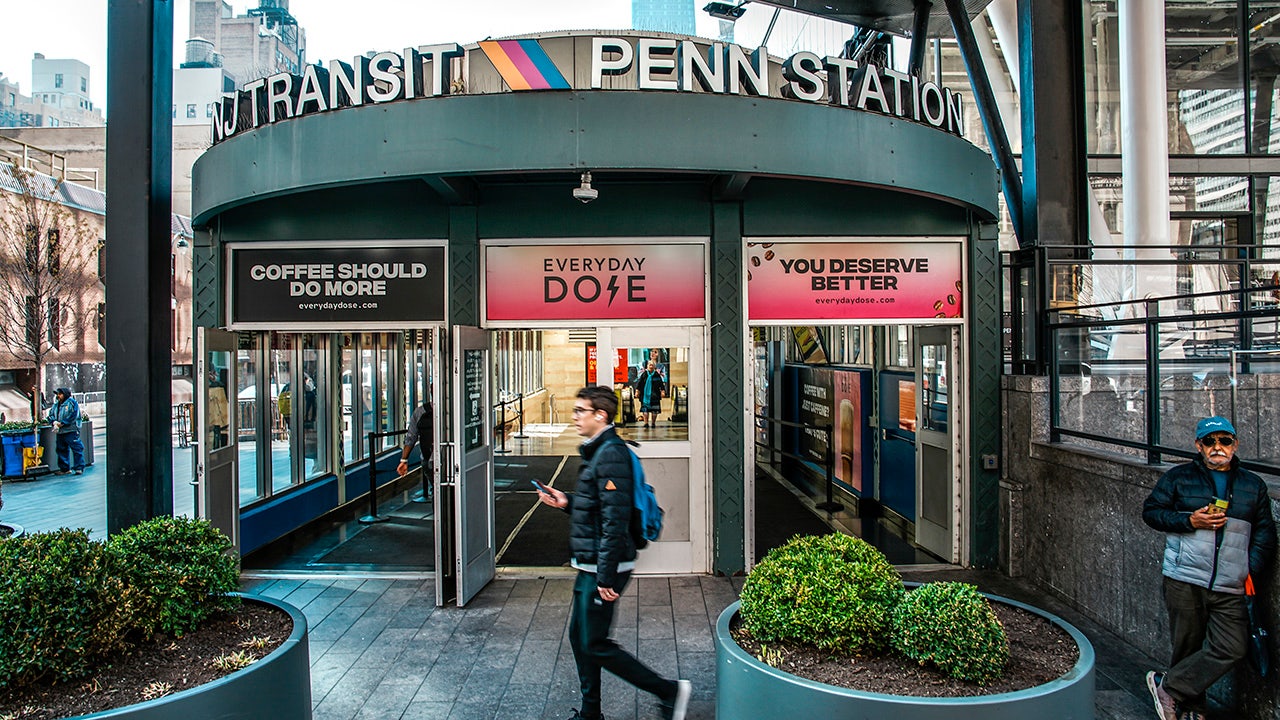
NJ Transit is reportedly considering a round-trip fare of approximately $150 for travel between New York City's Penn Station and MetLife Stadium during the upcoming FIFA World Cup. This proposed pricing represents a significant increase from the standard $12.90 fare typically charged for the same route. The shift in pricing structure reflects the unique logistical demands and high-volume traffic expected during the global tournament.
Infrastructure and Operational Costs
The proposed fare hike highlights the operational challenges faced by transit agencies when managing large-scale international events. Moving thousands of spectators to a suburban venue requires specialized scheduling and increased security measures, which often result in higher overhead for the transit provider. While standard operations rely on consistent commuter volume, event-specific transit often necessitates temporary infrastructure adjustments that impact the bottom line for agencies like NJ Transit.
Sector Read-Through and Consumer Impact
This pricing strategy serves as a case study for how regional transit authorities may approach major sporting events in the future. If the $150 price point is finalized, it could establish a new benchmark for event-based transit premiums. For investors monitoring stock market analysis regarding regional infrastructure and logistics, the move underscores the tension between cost recovery and public accessibility. Similar pricing models could influence how other transit-dependent venues manage capacity during high-demand periods, potentially affecting the broader transportation sector as agencies look for ways to offset the costs of hosting global spectacles.