Back to Markets
Stocks● Neutral

Labor Market Cooling Impacts Entry-Level Hiring Dynamics

Labor Market Cooling Impacts Entry-Level Hiring Dynamics

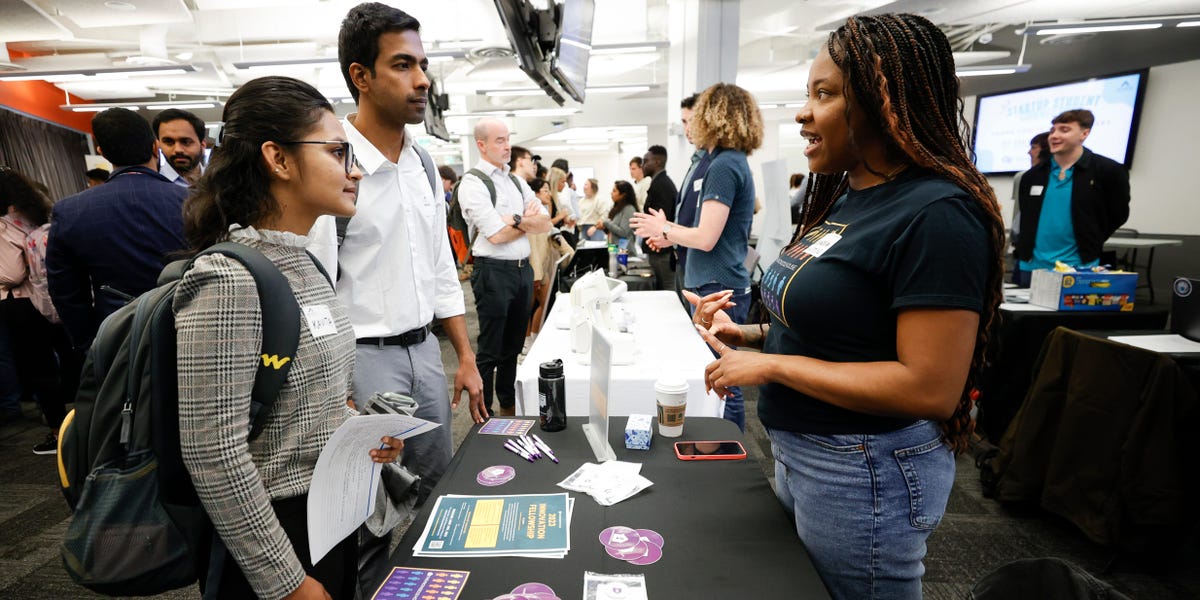
Entry-level hiring is slowing, forcing recent graduates to move away from traditional applications and toward networking to secure roles in a tighter labor market.

The current employment landscape for recent graduates has shifted as hiring cycles lengthen and competition for entry-level roles intensifies. While new graduates continue to secure positions, the pace of recruitment has slowed, forcing candidates to pivot from traditional application methods toward more proactive networking strategies. This cooling trend reflects broader shifts in stock market analysis where companies are prioritizing operational efficiency over aggressive headcount expansion.

Strategic Shifts in Job Acquisition

Candidates are increasingly bypassing standard application portals to access the hidden job market. This approach relies heavily on direct outreach and professional networking to uncover roles that are not publicly advertised. By focusing on personal connections, graduates aim to bypass the initial screening bottlenecks that characterize the current, slower hiring environment. This transition highlights a move toward relationship-based recruitment as firms tighten their internal hiring budgets.

Sectoral Read-Through and Outlook

The deceleration in entry-level hiring mirrors trends seen in sectors like technology and professional services, where firms are recalibrating their long-term talent needs. As companies manage their human capital costs, the emphasis has moved toward candidates who can demonstrate immediate value or specialized skill sets. This environment places a premium on candidates who can navigate the complexities of modern Agentic Commerce Models Emerge in China’s Digital Ecosystems and other evolving digital landscapes. For those entering the workforce, the ability to adapt to these leaner hiring processes is becoming as critical as the academic credentials they hold. The current data suggests that while opportunities exist, the path to employment requires a more targeted and persistent strategy than in previous years.

How this story was producedLast reviewed Apr 17, 2026

AI-drafted from named sources and checked against AlphaScala publishing rules before release. Direct quotes must match source text, low-information tables are removed, and thinner or higher-risk stories can be held for manual review.

Editorial Policy·Report a correction·Risk Disclaimer