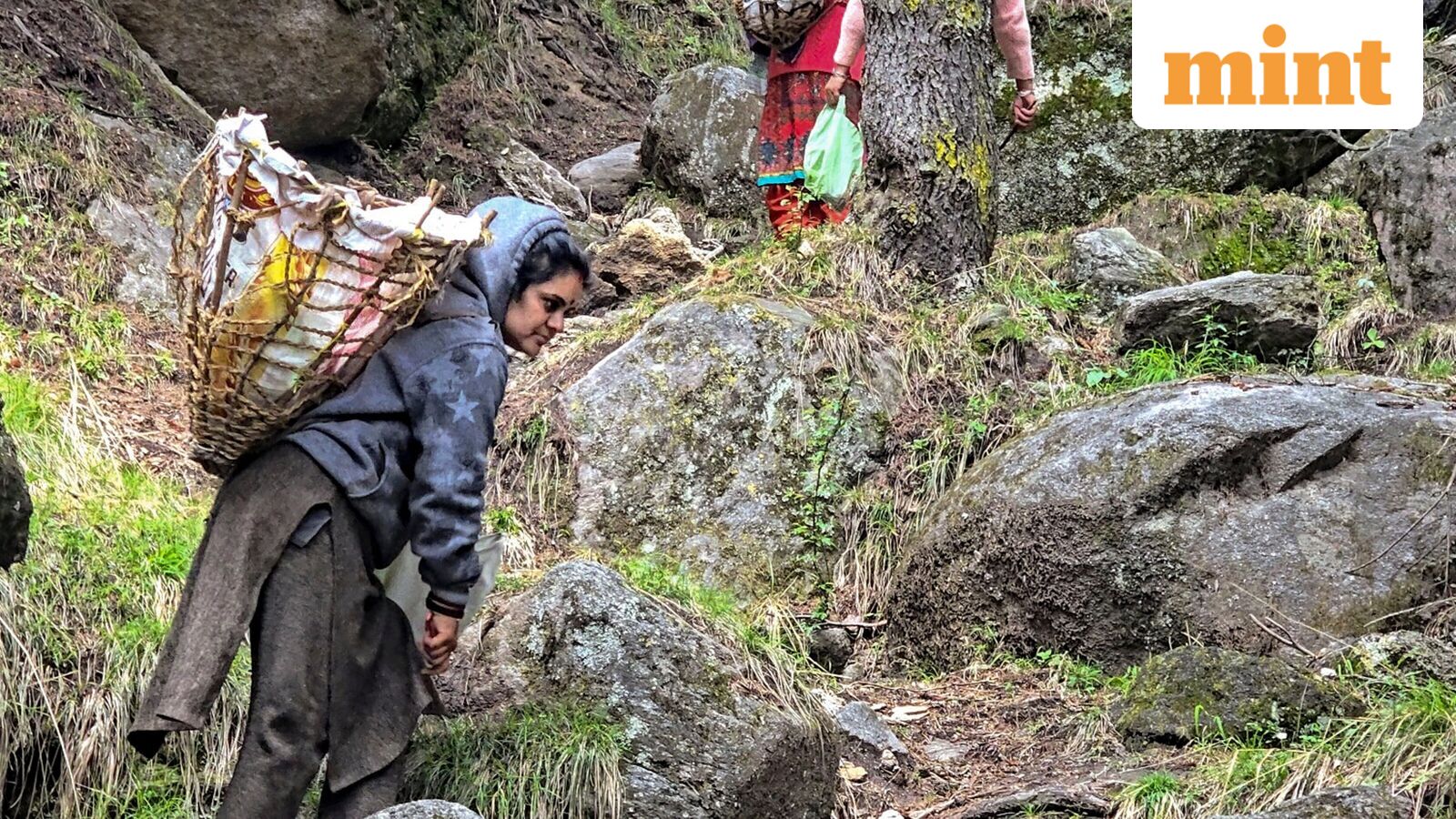
The traditional model of foraging for Gucchi mushrooms in the Kashmir Valley is facing a structural decline as wild yields become increasingly unreliable. Scientists have initiated large-scale cultivation trials to transition the prized Morchella fungi from forest-dependent harvesting to controlled laboratory environments. This shift aims to stabilize a supply chain that has historically been constrained by unpredictable weather patterns and geographic isolation.
Transitioning from Foraging to Controlled Cultivation
The reliance on wild collection has long prevented Gucchi mushrooms from achieving consistent commercial scale. By sampling Morchella specimens from over 1,000 distinct locations across the Kashmir Valley, researchers are attempting to isolate the specific environmental and biological triggers required for successful indoor growth. The primary objective is to replicate the complex symbiotic relationships the fungi maintain with forest soil, which have previously defied attempts at domestication.
Successful cultivation would fundamentally alter the economics of the regional fungi market. Currently, the scarcity of Gucchi drives high price volatility, as supply is entirely contingent on seasonal foraging success. If laboratory production reaches a viable threshold, the market could see a transition from a luxury-tier, supply-constrained commodity to a more predictable agricultural product. This would allow for standardized pricing and consistent export volumes, potentially reducing the influence of seasonal climate shocks on regional agricultural output.
Sector Read-through and Agricultural Scaling
The move toward cultivating wild-origin specialty crops reflects a broader trend in agricultural technology where high-value, niche products are being brought into controlled environments to mitigate supply chain risks. Similar to shifts seen in E. Sreedharan and the Structural Limits of Indian Infrastructure Scaling, the focus here is on overcoming physical and environmental bottlenecks that have historically limited output. For the broader agricultural sector, the success of these trials would provide a blueprint for domesticating other high-value wild fungi and plants that are currently threatened by habitat loss and climate instability.
Key factors determining the success of this transition include:
- The ability to maintain the distinct flavor profile and nutritional density of wild-harvested Morchella in a lab setting.
- The cost-efficiency of indoor climate control systems compared to the low-cost, labor-intensive nature of traditional foraging.
- The scalability of the fungal spawn production process to meet potential international demand.
AlphaScala data indicates that agricultural sectors shifting toward high-tech, controlled-environment production often experience a compression in price volatility within 24 months of successful commercial implementation. This trend is particularly relevant for specialty food markets where supply chain transparency is increasingly demanded by global distributors.
Future developments will depend on the yield results from the current pilot programs. The next concrete marker for this transition will be the publication of standardized cultivation protocols, which will determine whether the technology can be licensed to private agricultural firms or if it remains within the scope of state-funded research. Investors should monitor the integration of these cultivation techniques into regional agricultural policy, as this will dictate the speed at which Gucchi moves from a niche forest product to a scalable commercial asset.