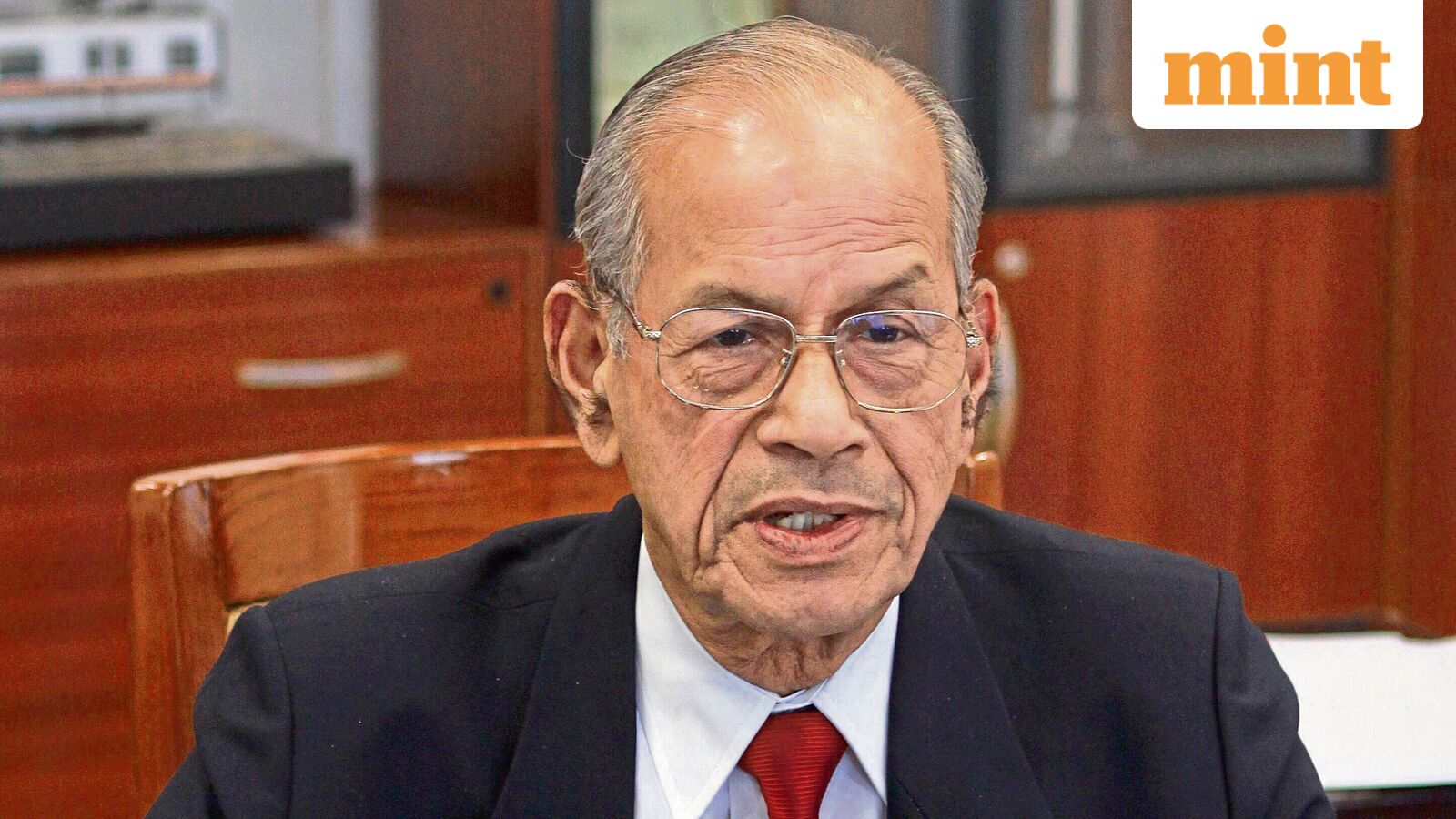
The legacy of E. Sreedharan serves as a critical case study for the scalability of large-scale infrastructure projects within emerging markets. By prioritizing rigid project management and institutional integrity, Sreedharan successfully navigated the bureaucratic and logistical bottlenecks that historically plagued Indian public works. His work on the Delhi Metro and the Konkan Railway demonstrated that the primary constraint on national transit development was not capital availability, but rather the execution capacity of state-led entities.
Institutional Discipline as a Project Catalyst
Sreedharan’s operational model relied on the insulation of the Delhi Metro Rail Corporation from standard political interference. By establishing a culture of strict adherence to timelines and budget transparency, he created a blueprint for high-stakes infrastructure delivery. This approach allowed for the rapid deployment of complex rail networks in dense urban environments where land acquisition and utility relocation typically stall progress for years. The success of these projects proved that infrastructure efficiency is a function of organizational autonomy rather than just engineering capability.
However, the broader adoption of this model across other Indian cities has faced significant friction. While the Delhi Metro set a high standard for operational reliability, subsequent projects in secondary cities have struggled to replicate the same level of administrative independence. The divergence between the success of the Delhi model and the stagnation of similar projects elsewhere highlights the difficulty of institutionalizing efficiency in a decentralized governance structure. Investors looking at the stock market analysis for infrastructure-linked firms must distinguish between projects managed under autonomous special-purpose vehicles and those subject to standard municipal oversight.
The Infrastructure Gap and Future Connectivity
Despite the transformative impact of Sreedharan’s projects, the national transit network remains fragmented. The reliance on legacy systems and the slow pace of inter-city rail modernization continue to create bottlenecks for logistics and labor mobility. The transition from localized urban transit success to a cohesive national transport strategy remains the primary hurdle for long-term economic productivity.
Recent shifts in policy suggest a move toward integrated logistics hubs, but the execution risk remains high. The following factors will determine the success of the next generation of rail and transit infrastructure:
- The ability of state governments to replicate autonomous project management structures.
- The integration of private sector capital into long-term maintenance and operational contracts.
- The alignment of urban planning with transit-oriented development to ensure ridership density.
As India continues to expand its rail footprint, the focus is shifting toward high-speed corridors and the modernization of existing freight lines. The primary marker for future progress will be the completion of dedicated freight corridors and the successful implementation of public-private partnerships in urban transit. These developments will serve as the litmus test for whether the discipline established by Sreedharan can be scaled to meet the demands of a modernizing economy. The next concrete indicator will be the performance metrics of current high-speed rail tenders, which will reveal if the current administrative framework can sustain the pace of delivery required for national connectivity.