Stocks● Neutral
Wednesday Ceasefire Deadline Triggers Energy Market Volatility
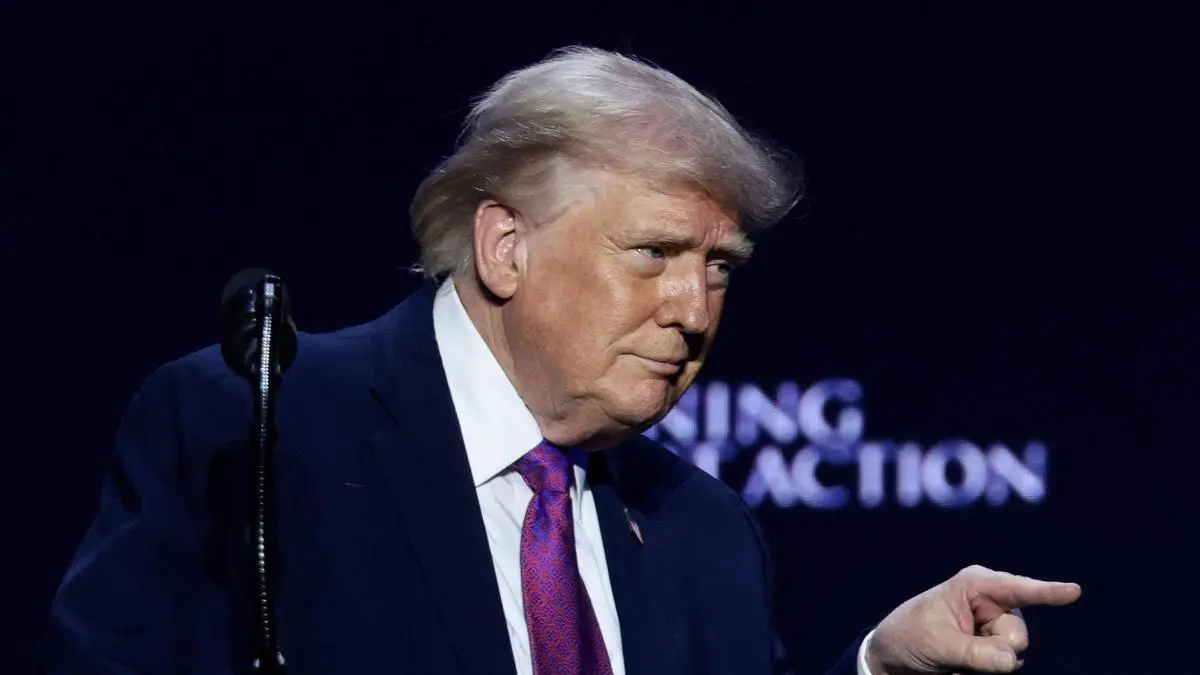
Diplomatic stakes rise as crude oil markets hedge against regional instability. AlphaScala data shows volatility clusters often precede shifts by 72 hours.
Continue with
The narrative surrounding regional stability in the Middle East shifted on Friday as President Trump indicated that the current ceasefire status with Iran is contingent upon a diplomatic resolution by Wednesday. While the administration noted positive developments in ongoing discussions, the explicit linkage of a specific deadline to the continuation of the ceasefire introduces a new layer of urgency into the current geopolitical calculus. This creates a binary outcome for regional risk premiums as the midweek mark approaches.
The Energy Sector and Supply Chain Sensitivity
Energy markets remain highly sensitive to any shift in the status of the Strait of Hormuz, a primary artery for global oil transit. The introduction of a Wednesday deadline forces a re-evaluation of current supply chain logistics and risk hedging strategies for energy-dependent firms. If the diplomatic window closes without a formal agreement, the potential for renewed volatility in crude pricing increases significantly. Investors are currently weighing the probability of a sustained diplomatic breakthrough against the risk of a return to heightened regional friction.
This development directly impacts the Geopolitical Ceasefire Deadline Introduces New Volatility Risk for Energy Markets narrative that has dominated sector discussions throughout the quarter. The market is now forced to account for the following factors as the Wednesday deadline nears:
- The potential for immediate shifts in crude oil futures based on real-time diplomatic updates.
- The impact of regional instability on maritime insurance premiums for tankers operating in the Persian Gulf.
- The correlation between diplomatic signaling and broader equity market sentiment regarding global growth.