Stocks● Neutral
Uranium Transfer Dispute Stalls Iran Nuclear Diplomacy
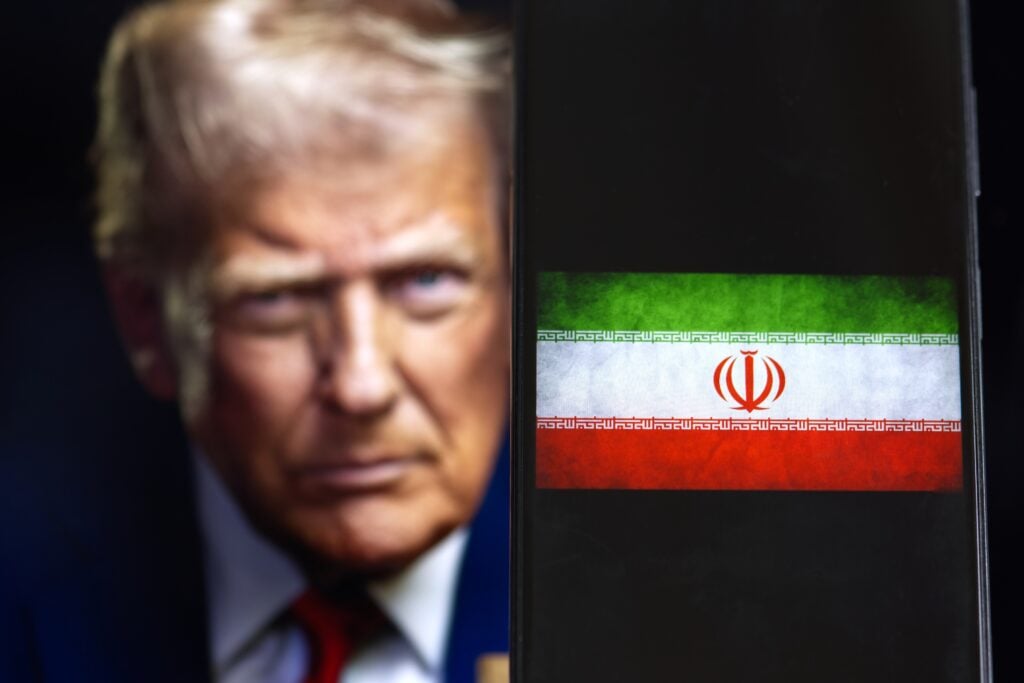
Contradictory claims on enriched uranium removal leave energy markets facing elevated risk premiums. Await official monitoring reports for price clarity.
Continue with
The diplomatic narrative surrounding Iran’s nuclear program shifted abruptly following claims from President Donald Trump that Tehran has agreed to a comprehensive set of terms, including the removal of enriched uranium. This assertion was met with an immediate and categorical denial from Iranian officials, creating a sharp divergence in the public record that complicates the outlook for regional stability and energy markets. The contradiction suggests that the underlying negotiations remain fundamentally deadlocked, despite the optimistic tone of the administration's recent messaging.
Disputed Terms and Uranium Transfer Mechanics
The core of the current dispute centers on the physical movement of nuclear material. The removal of enriched uranium is a critical benchmark for international oversight bodies and serves as a primary indicator of de-escalation in nuclear proliferation efforts. By claiming that an agreement is already in place, the administration has effectively set a high bar for future diplomatic verification. If the transfer does not materialize, the discrepancy between the stated agreement and the reality on the ground will likely serve as a catalyst for renewed sanctions or a shift in the Geopolitical Deadline Sets Wednesday Pivot for Energy and Regional Stability narrative.
Tehran’s refusal to acknowledge these terms highlights the fragility of the current communication channel. For energy markets, the lack of a verifiable agreement means that the risk premium associated with regional transit and production remains elevated. The market is currently forced to weigh the possibility of a breakthrough against the high probability of continued regional friction. The following points summarize the current points of contention:
- The administration asserts that all nuclear-related conditions have been met by Iran.
- Iranian leadership maintains that no such agreement exists, specifically regarding the transfer of enriched uranium.
- The absence of a third-party verification mechanism leaves the status of these negotiations in a state of persistent ambiguity.