Infrastructure Vulnerability and the Economic Cost of Extreme Weather

Recent modeling of the Tax Day storm suggests that current urban planning, which focuses on probable flood zones, may leave cities vulnerable to catastrophic, low-probability weather events.
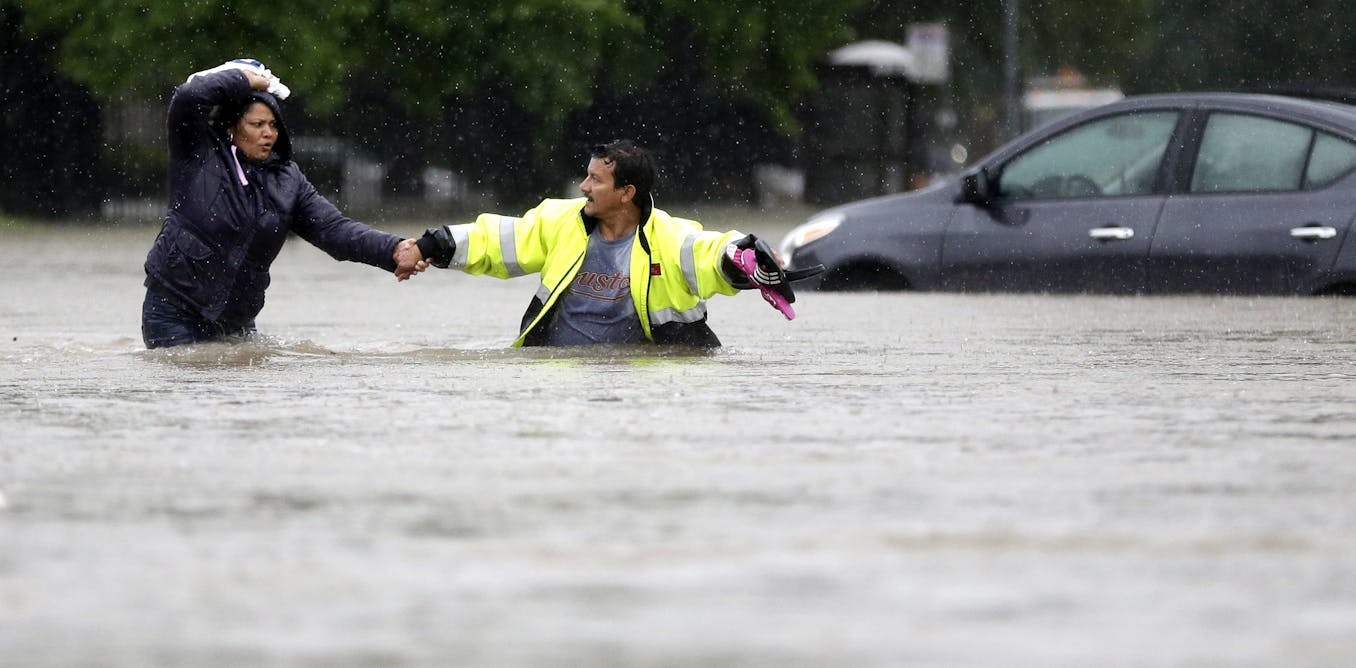
The Tax Day storm that struck the Houston area a decade ago serves as a critical case study for urban infrastructure resilience. Recent computer modeling indicates that had the storm centered on the city's dense inner core rather than the outskirts, the resulting economic and structural damage would have been significantly higher. This discrepancy between historical event impact and potential worst-case scenarios highlights a persistent gap in municipal planning.
Shifting Risk Assessment Models
Current flood mapping protocols prioritize areas with the highest statistical probability of inundation. While this approach is standard for insurance and zoning, it often fails to account for the catastrophic potential of low-probability, high-impact weather events. Urban planners are increasingly pressured to integrate these improbable scenarios into long-term development strategies to mitigate future fiscal exposure.
Sector Read-Through and Economic Impact
For investors monitoring stock market analysis, the focus remains on how extreme weather events influence municipal bond stability and insurance sector liabilities. When infrastructure is built based on historical averages rather than extreme stress tests, the risk of sudden capital expenditure requirements increases. As cities evaluate their exposure to climate-related volatility, the cost of retrofitting aging systems remains a primary concern for regional economic stability. The shift toward modeling improbable events suggests a forthcoming change in how municipalities allocate budgets for flood mitigation and disaster recovery. This evolution in risk management is essential for maintaining the long-term viability of high-density urban centers against increasingly unpredictable environmental patterns.
AI-drafted from named sources and checked against AlphaScala publishing rules before release. Direct quotes must match source text, low-information tables are removed, and thinner or higher-risk stories can be held for manual review.