Turbulence in the Skies: UAL Under Pressure
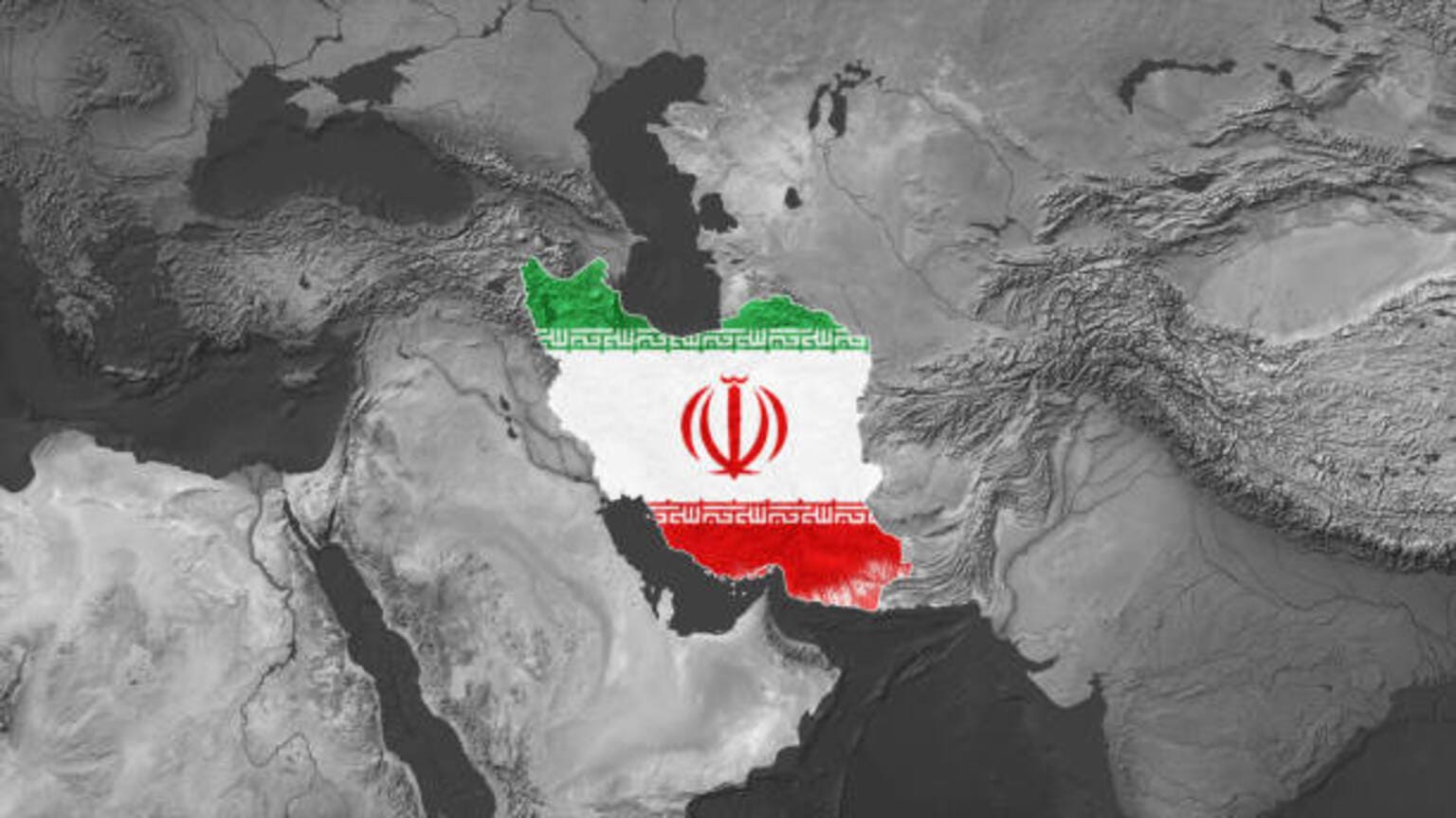
United Airlines Holdings, Inc. (NASDAQ: UAL) faced significant selling pressure this week as escalating geopolitical instability in the Middle East sent shockwaves through the global energy markets. The sudden uptick in crude oil prices, driven by the intensifying conflict involving Iran, has created a challenging environment for major carriers, forcing investors to recalibrate their expectations for UAL in the near term.
For airline stocks, oil represents the single most volatile and significant input cost. As geopolitical risk premiums are priced back into energy markets, the direct correlation between rising fuel costs and compressed operating margins has once again taken center stage for airline analysts and institutional traders.
The Fuel Cost Equation
In the aviation industry, fuel represents one of the largest variable expenses on the balance sheet. When crude oil prices surge due to supply chain fears or regional military escalations, the impact on earnings per share (EPS) is immediate. Because airlines often operate with thin margins, even a modest increase in jet fuel prices can derail a quarterly outlook, leading to the type of downward price action currently observed in UAL shares.
While United Airlines has historically utilized hedging strategies to mitigate some of this volatility, the sheer velocity of the recent oil spike has left the stock vulnerable. Investors are currently weighing whether the carrier can effectively pass these increased costs onto consumers through higher ticket prices without dampening travel demand—a delicate balancing act that defines the current risk profile for the sector.
Competitive Landscape and Market Sentiment
Beyond the raw numbers, the market is also scrutinizing how UAL stacks up against its domestic and international competitors. As the conflict in the Middle East creates uncertainty regarding flight paths and operational disruptions, airlines with significant international exposure are under heightened scrutiny.
Traders are observing a broader rotation in the transport sector. While some logistics and shipping firms may see a temporary boost in rates, the passenger aviation space is being treated as a "risk-off" play. The dip in UAL is reflective of a wider market trend where investors are trimming exposure to companies highly sensitive to energy input costs and geopolitical disruption. The current weakness in UAL follows a period of relative sector strength, suggesting that the market is prioritizing capital preservation in the face of unpredictable macro variables.
Implications for Traders
For the active trader, the situation surrounding UAL serves as a reminder of the fragility of the airline sector's recovery. The key question for the coming weeks is whether the spike in oil prices will prove transitory or signify a sustained shift in the energy landscape.
If tensions in the Middle East continue to dominate headlines, we can expect continued volatility in UAL. Traders should monitor:
- Crude Oil Futures (WTI and Brent): Any stabilization in oil prices would likely provide a floor for airline equities.
- Management Guidance: Keep a close eye on any upcoming investor updates regarding fuel surcharge adjustments or revised capacity outlooks.
- Sector Correlation: Monitor how competitors react to the same macro pressures; if UAL underperforms its peers, it may suggest company-specific vulnerabilities rather than just industry-wide headwinds.
What to Watch Next
As the situation remains fluid, the market will be looking for clarity on the duration of these geopolitical tensions. The immediate focus for investors will be how UAL navigates the current dip—whether it presents a value opportunity for long-term holders or a warning sign of a margin squeeze that could persist through the next earnings cycle. Until there is a cooling of the rhetoric and a subsequent stabilization in oil benchmarks, the path of least resistance for UAL remains tied to the volatility of the geopolitical landscape.