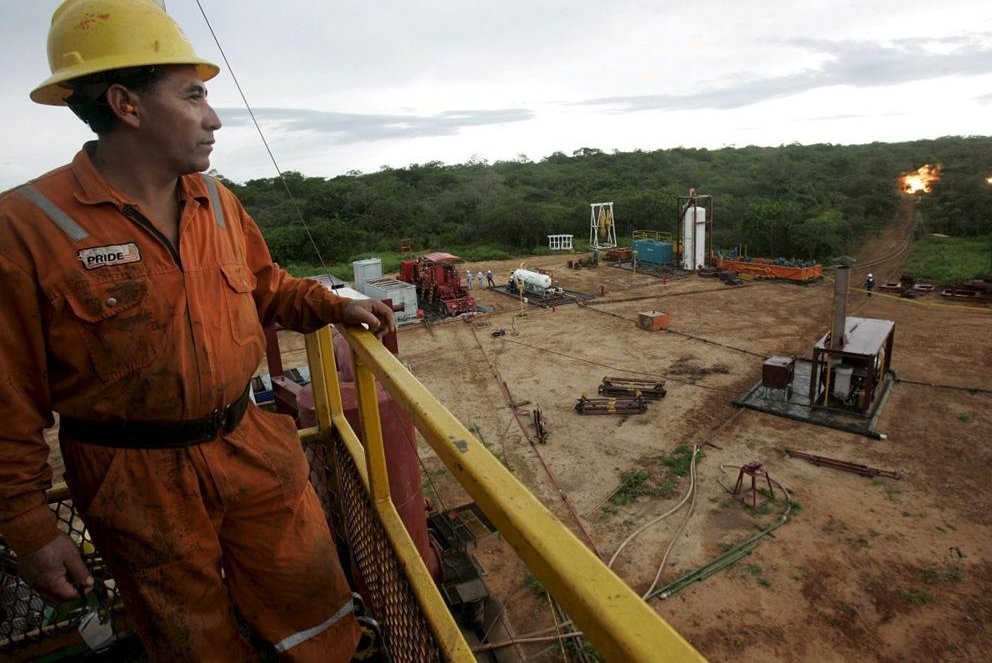
Bolivia has finalized the draft of a new hydrocarbons law, signaling a shift in regulatory strategy designed to reverse declining production trends. The legislation aims to attract foreign capital by modernizing the framework governing natural gas and oil exploration. This move follows a period of stagnation in the country's energy sector, where aging infrastructure and limited investment have hampered output.
Prioritizing Mature Field Reactivation
The core of the proposed legislation focuses on the reactivation of mature fields and traditional wells. By lowering the barrier to entry for operators, the government intends to maximize the recovery of remaining reserves that were previously considered economically unviable under existing fiscal terms. This strategy targets the immediate optimization of existing assets rather than relying solely on high-risk, long-term exploration projects.
Bolivian authorities view this reform as a necessary step to stabilize domestic supply and meet export obligations. The draft law introduces specific incentives for companies that commit to enhanced oil recovery techniques and infrastructure upgrades. These measures are intended to extend the lifecycle of legacy fields while providing a more predictable regulatory environment for international partners.
Structural Reforms and Investment Frameworks
The draft law addresses long-standing concerns regarding the fiscal burden on foreign operators. By revising the contractual obligations associated with exploration and production, the government seeks to align its domestic energy policy with regional standards. This adjustment is intended to encourage a return of technical expertise and capital to a sector that has seen limited activity in recent years.
Key components of the proposed regulatory shift include:
- Streamlined approval processes for secondary recovery projects.
- Revised fiscal terms for operators working in mature fields.
- Enhanced legal protections for foreign entities engaged in joint ventures with state-owned enterprises.
These changes are designed to mitigate the risks that have historically deterred investment in the region. By creating a more transparent path for capital deployment, the government hopes to stimulate a cycle of reinvestment that could bolster national production capacity over the coming decade.
Market Context and Future Outlook
The success of this legislative initiative will depend on the final terms of the fiscal agreements and the willingness of international firms to re-enter the market. The energy sector, which remains a primary driver of the national economy, requires significant capital infusion to address the depletion of existing reserves. As global demand for natural gas remains elevated, Bolivia is positioning itself to leverage its remaining resource base to maintain its role as a regional supplier.
This development follows broader shifts in commodities analysis where nations are increasingly competing for capital to sustain energy output. The next concrete marker for this policy will be the formal legislative debate and the subsequent publication of the finalized fiscal schedules. These documents will provide the necessary clarity for operators to assess the long-term viability of new investment commitments in the country's hydrocarbon sector.