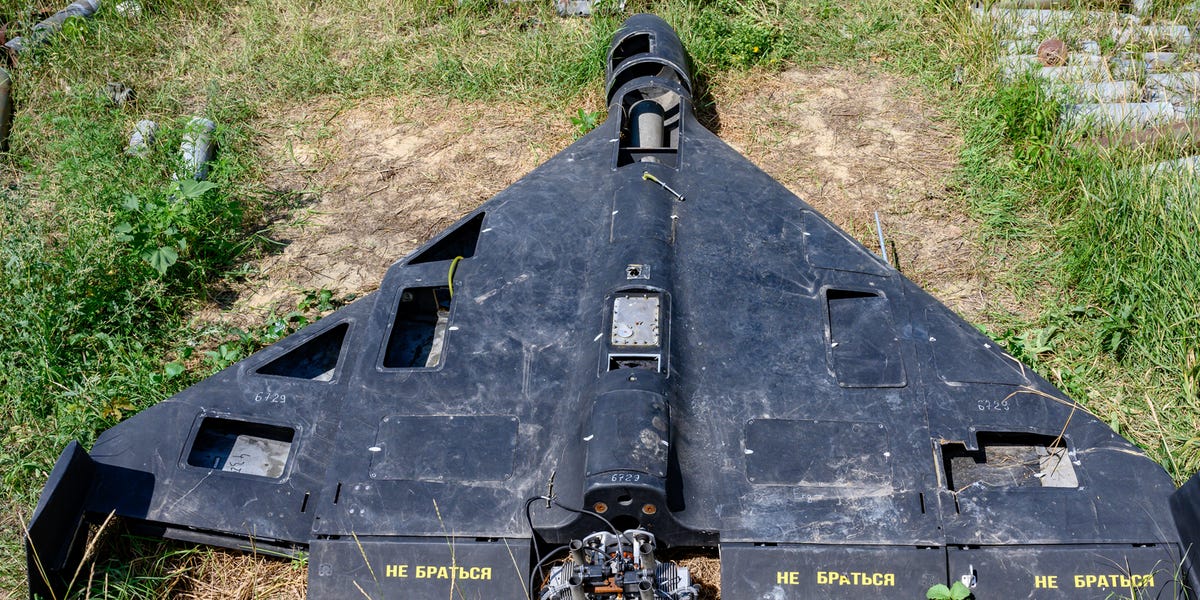
The recent recovery and forensic examination of Iranian-origin drone and missile wreckage in the Kurdistan region of Iraq provides a tangible look at the hardware driving regional instability. By analyzing the physical remnants of these strikes, observers can better understand the technical capabilities and supply chain origins of the munitions currently impacting the Middle East. This shift from theoretical threat assessment to direct hardware inspection changes the narrative regarding the sophistication and frequency of cross-border engagements in the Erbil area.
Technical Proliferation and Regional Infrastructure
The repeated targeting of the Kurdistan region highlights a persistent risk to regional stability and the operational continuity of local infrastructure. These strikes, which have occurred over 400 times during the broader conflict involving the United States and Israel, represent a sustained pressure campaign against localized energy and logistics hubs. The wreckage reveals a reliance on specific drone and missile architectures that suggest a standardized production cycle rather than improvised or one-off weaponry. For firms operating in or near these zones, the consistency of these strikes forces a reevaluation of security protocols and the physical hardening of assets.
This pattern of engagement mirrors broader concerns about how localized conflicts impact global supply chains, similar to the Northern Territory Infrastructure Crisis Forces Supply Chain Reassessment. When regional actors utilize consistent, low-cost drone technology to disrupt high-value targets, the economic calculus for infrastructure development changes. The ability to identify these components in the field allows for a clearer understanding of the logistical support networks sustaining these operations.
Strategic Read-through for Defense and Energy
The forensic evidence gathered from these sites serves as a primary indicator of the evolving nature of asymmetric warfare. As these munitions become more prevalent, the defense sector must pivot toward counter-drone technologies that are both cost-effective and scalable. The reliance on these specific systems suggests that the conflict is moving toward a model of attrition where the cost of the defensive interceptor often dwarfs the cost of the incoming projectile.
This dynamic creates a significant burden on regional security budgets and insurance premiums for commercial operations in the vicinity. Investors monitoring stock market analysis should note that the persistence of these strikes creates a permanent risk premium for companies with significant capital exposure in the Kurdistan region. The transition from sporadic attacks to a sustained, high-frequency campaign suggests that the security environment will remain volatile for the foreseeable future.
Future developments will hinge on the international response to the proliferation of these specific drone models. The next concrete marker will be the potential implementation of new export controls or sanctions targeting the specific supply chains identified in these wreckage reports. Observers should monitor upcoming diplomatic filings and security assessments for evidence of coordinated efforts to disrupt the procurement channels that keep these systems operational.