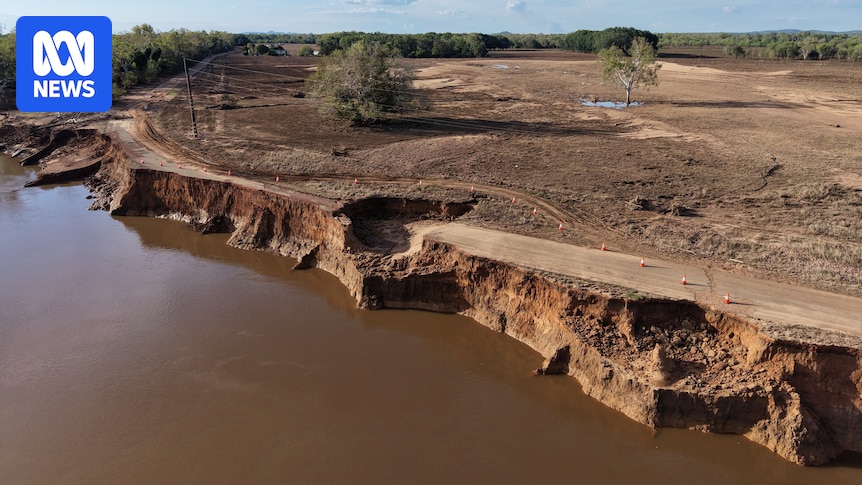
The Northern Territory’s critical transport corridors have reached a breaking point following extensive flood damage, prompting an urgent call for federal intervention from the agricultural and logistics sectors. The current state of the road network has effectively severed key supply lines, creating a bottleneck that threatens the operational viability of businesses reliant on timely freight movement. This infrastructure failure is no longer a localized concern but a systemic risk to the regional economy.
Operational Constraints in Logistics and Agriculture
The inability to move goods efficiently across the Northern Territory has forced companies to absorb significant costs related to route deviations and delivery delays. For the agricultural sector, the inability to transport produce to market or receive essential inputs in a timely manner creates a direct hit to output quality and profitability. Logistics firms are similarly constrained, as the degradation of primary transit routes forces a reliance on secondary roads that were not designed for heavy freight volumes.
These constraints have created a ripple effect across the broader stock market analysis landscape, as investors weigh the impact of regional infrastructure decay on company margins. The reliance on a single, vulnerable road network means that any disruption to these arteries translates into immediate volatility for firms operating within the territory. The current situation highlights the fragility of supply chains that depend on aging or poorly maintained infrastructure to sustain regional commerce.
The Path to Federal Funding and Remediation
The demand for federal funding is centered on the need for structural resilience rather than temporary patches. Industry leaders are pushing for a comprehensive reconstruction plan that addresses the recurring nature of flood damage in the region. Without a commitment to long-term infrastructure investment, the cost of maintaining current operations will likely continue to rise, further squeezing the margins of transport-dependent entities.
This push for federal support serves as a critical marker for the region. The next concrete step will be the federal government's response to these funding requests, which will determine whether the current logistical paralysis is addressed through capital expenditure or if businesses must continue to navigate the high costs of infrastructure failure. The outcome of these negotiations will serve as a bellwether for future Yancoal Australia Navigates Commodity Price Volatility Amid Strategic Operational Shifts and other resource-heavy operations that rely on the integrity of Northern Territory transit routes.
AlphaScala data indicates that regional logistics providers are currently operating at reduced capacity, with lead times for freight movement increasing by a significant margin compared to the previous quarter. This shift in operational efficiency is expected to remain a drag on regional performance until a clear funding path for road restoration is established. The next major indicator to monitor is the upcoming federal budget allocation, which will signal the government's willingness to prioritize these specific infrastructure repairs over competing national interests.