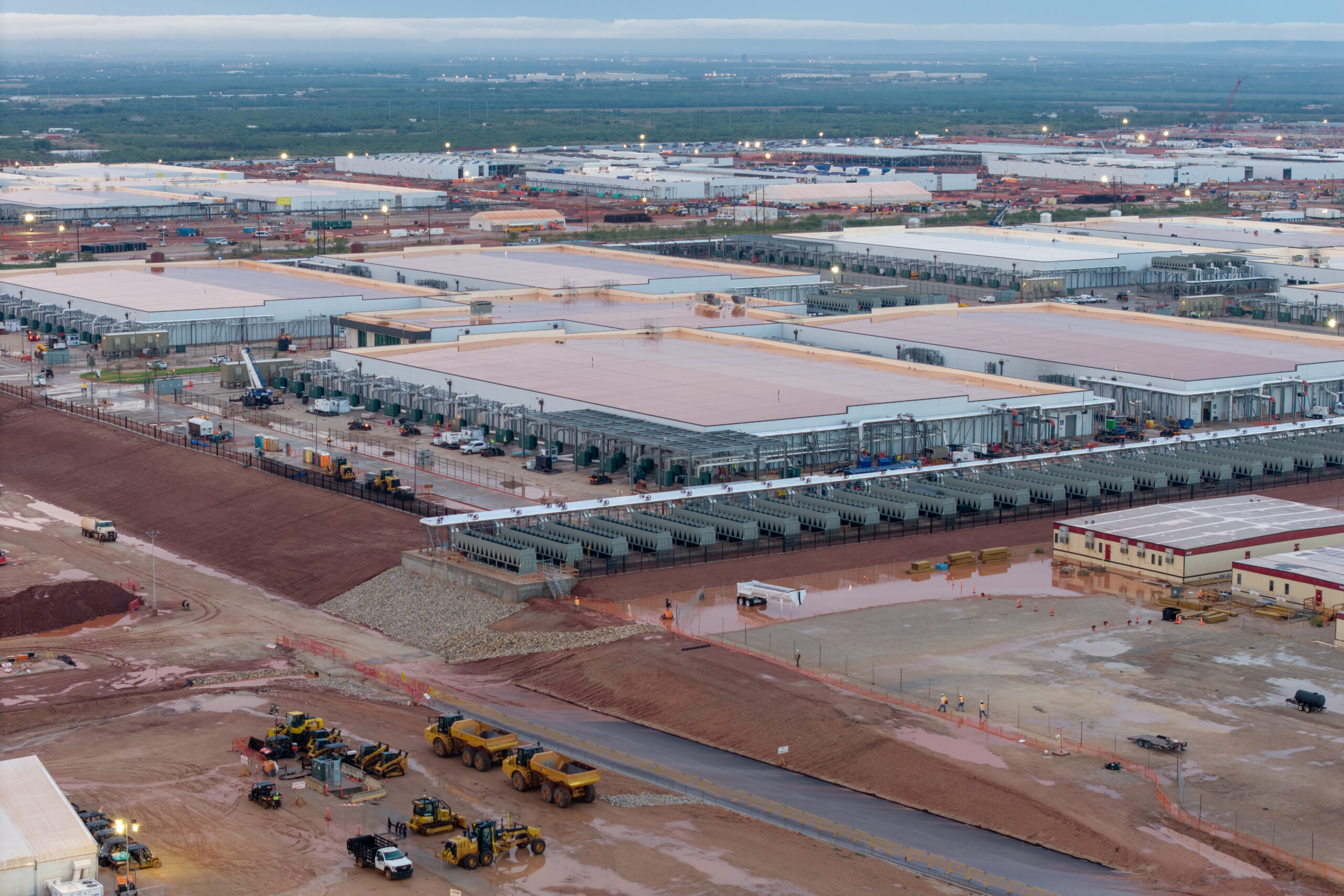
A group of former Credit Suisse bankers is moving to capitalize on the surging demand for data center infrastructure by launching a $1 billion fund focused on insurance risk. The initiative aims to provide coverage for the specialized risks associated with high-density computing facilities, a sector that has seen rapid expansion due to the integration of artificial intelligence and cloud services. By targeting this niche, the fund seeks to capture premiums from operators who face increasing difficulty in securing traditional coverage for their complex physical and digital assets.
Capitalizing on Infrastructure Vulnerability
The fund structure is designed to offer double-digit returns by underwriting risks that mainstream insurers often avoid or price prohibitively. Data centers require constant uptime and face significant exposure to power grid instability, cooling system failures, and physical security threats. As the scale of these facilities grows, the financial impact of a single operational disruption has reached levels that traditional insurance markets are struggling to absorb. This new vehicle positions itself as a specialized capital provider that understands the technical nuances of modern server farms.
This shift reflects a broader trend in stock market analysis where private capital is increasingly filling gaps left by traditional financial institutions. As institutional investors search for yield outside of standard equity and bond markets, the insurance-linked securities space has become a primary destination. The fund's success will depend on its ability to accurately model the probability of catastrophic failure in facilities that are becoming more centralized and interconnected.
Sector Read-through and Valuation Impacts
The emergence of this fund highlights the growing financialization of the physical infrastructure supporting the tech sector. While companies like ON Semiconductor Corporation continue to navigate the cyclical nature of hardware demand, the insurance layer adds a new cost variable for data center operators. If this fund successfully lowers the cost of risk transfer, it could theoretically improve the operating margins of large-scale infrastructure providers. Conversely, if the fund demands high premiums to cover potential outages, it may create a new headwind for capital-intensive tech projects.
AlphaScala data currently reflects varying sentiment across the technology and hardware landscape. TEAM stock page holds an Alpha Score of 34/100, indicating a weak outlook, while ON stock page maintains a score of 45/100, suggesting a mixed performance profile. Meanwhile, A stock page shows a moderate score of 55/100, reflecting different risk sensitivities within the broader industrial and technology ecosystem.
The Path to Market Integration
The next concrete marker for this initiative is the formal deployment of capital and the subsequent disclosure of the first underwriting contracts. Investors will look for evidence that the fund can maintain its projected return profile without suffering from the very risks it is designed to mitigate. The ability to secure reinsurance or partner with established underwriters will be a key indicator of the fund's long-term viability. If the model proves effective, it is likely to trigger a wave of similar specialized insurance products, further integrating data center risk into the global capital markets. The ultimate test will be how the fund performs during a period of significant regional power disruption or a major hardware failure event.