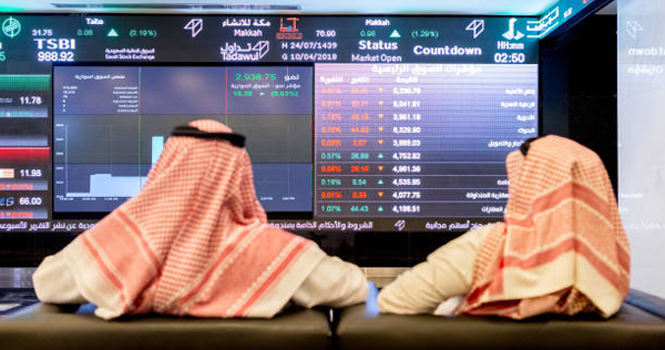
The Saudi Exchange (Tadawul) recorded a surge in off-market activity today, April 23, as 12 negotiated deals were finalized with a combined value of SAR 56.9 million. These transactions represent a specific mechanism within the TASI framework, allowing large-block trades to occur outside the standard order book while still adhering to price fluctuation limits. The execution of these deals provides a localized snapshot of institutional positioning, as such volume typically reflects pre-arranged agreements between major stakeholders rather than retail-driven momentum.
Institutional Positioning and Block Trade Dynamics
Negotiated deals on the Tadawul serve as a primary indicator of how large-scale capital is reallocating across the exchange. By bypassing the standard continuous trading session, these transactions minimize immediate price slippage for the participants involved. However, the concentration of 12 distinct deals suggests that multiple entities are currently adjusting their exposure simultaneously. This activity often precedes broader shifts in sector-specific sentiment, as institutional investors finalize their portfolio adjustments before the next reporting cycle.
For investors monitoring stock market analysis, these block trades act as a signal of underlying liquidity. While the total value of SAR 56.9 million is modest relative to the daily turnover of the entire TASI index, the frequency of these deals indicates a high level of coordination among market participants. This is particularly relevant when evaluating companies that are currently undergoing structural changes or strategic pivots, as these negotiated blocks often involve long-term holders adjusting their positions based on internal valuation models rather than short-term price fluctuations.
Sectoral Read-Through and Market Context
When analyzing the impact of these deals, it is essential to distinguish between standard liquidity provision and strategic accumulation. The current environment on the TASI is characterized by a focus on Market Momentum and the April 23rd Pivot, where technical levels are increasingly influenced by institutional block activity. The concentration of these deals suggests that specific sectors are seeing higher levels of interest, potentially tied to upcoming corporate announcements or dividend distributions.
AlphaScala data currently tracks various instruments across the healthcare and industrial sectors to determine if these block trades align with broader valuation trends. For instance, Agilent Technologies (A) maintains an Alpha Score of 55/100, reflecting a moderate outlook within the healthcare space. While the current negotiated deals on the TASI are localized, they provide a baseline for assessing how capital flows are distributed across the exchange compared to global benchmarks.
The next concrete marker for the market will be the subsequent disclosure of ownership changes in the official exchange filings. These filings will clarify whether the SAR 56.9 million in negotiated deals represents a shift in control among major shareholders or a rebalancing of institutional portfolios. Investors should monitor the upcoming session for any follow-up volume spikes in the specific stocks involved, as these often confirm whether the negotiated price serves as a new support or resistance level for the broader market.