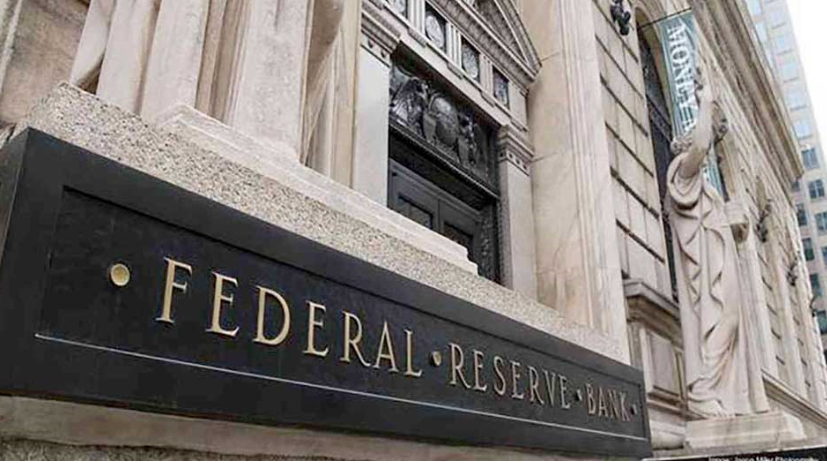
The Federal Reserve is widely expected to leave interest rates unchanged at its July 28-29 meeting, though analysts say the decision could be anything but uneventful. Inflation remains above the central bank's 2% target, and fresh risks from energy prices and trade policy have kept the door open to a September rate increase.
Ahmed Azzam, head of research at Equity Group, said the Fed will most likely keep the federal funds rate at 3.50%-3.75%. But the July meeting is among the most sensitive of the year, he added, because consensus around the policy decision has become less clear than at previous meetings. The probability of a rate hike rose from around 10% after the June inflation data to nearly 30% ahead of the meeting, reflecting heightened market sensitivity to oil prices and Middle East tensions, Azzam said.
Barclays expects the same baseline outcome: rates on hold through the end of 2027. The bank cited weaker-than-expected June inflation and a forecast that core price growth will continue to moderate. Still, Barclays sees risks skewed toward additional tightening if inflation stays elevated or economic activity accelerates. As of July 24, financial markets were pricing in a more than 35% probability of a July hike, driven by renewed inflation concerns and higher oil prices, the bank said.
Dissenting Votes Could Signal Tightening Bias
The clearest signal from the meeting may come from the voting results rather than the statement wording, Azzam said. The June meeting was unanimous, but minutes revealed deeper disagreement over the future direction of policy. Lorie Logan and Beth Hammack appear the most likely dissenters in favor of a 25-basis-point increase, based on their view that inflation is not moving sustainably toward target and that the labor market remains resilient, he said.
One or two dissenting votes would make an otherwise unchanged decision appear significantly more hawkish, Azzam argued. A 10-2 vote would carry greater weight than minor changes in the statement language. Markets do not need to see a majority support a July hike to conclude that September remains a live meeting, he said. Visible dissent combined with a hawkish tone from Chair Kevin Warsh during the press conference could strengthen expectations for a September increase.
Ahmed Shuraim, an economic analyst, also expects divided voting and named Logan, Hammack, Neel Kashkari, and Lisa Cook as possible dissenters, though he believes the actual number will be limited to two or three. A 10-2 or 9-3 vote in favor of holding would indicate that a meaningful faction already considers higher rates necessary to contain inflation, he said.
Warsh's Approach Reshapes Market Expectations
Kevin Warsh has reintroduced an element of surprise to Fed meetings, Azzam said. The chair has deliberately reduced advance signaling, shortened the policy statement, and refrained from providing a clear rate outlook. Investors are now reassessing each meeting based on incoming economic data, geopolitical developments, and energy price moves.
This approach gives the Fed more flexibility but also increases uncertainty and volatility across the dollar, bonds, gold, and equities, Azzam said. Every word of the statement, every dissenting vote, and every change in the Fed's assessment of inflation is now scrutinized.
Shuraim described the July meeting as the beginning of a new era for the Fed, one characterized by limited forward guidance and fewer public statements. That makes it harder for markets to understand the central bank's reaction function or determine which indicators policymakers will prioritize. Warsh has established specialized working groups focused on inflation and AI-driven productivity, developments that could influence how inflation is measured and how policy decisions are made, Shuraim said.
The Statement: Shorter, with Possible Shift in Emphasis
Markets will watch the statement language closely. Azzam expects it to acknowledge that inflation remains elevated, economic activity continues to be resilient, and uncertainty around energy markets and global trade is high. He also believes the Fed will avoid language suggesting that the next move is likely to be a rate cut.
Shuraim said the statement will likely be shorter than previous versions and may reflect meaningful changes in how the Fed presents its policy stance. A renewed emphasis on the employment side of the dual mandate, after recent statements focused heavily on price stability, would be viewed as an important indication of shifting priorities.
A Potential Surprise: Warsh Votes for a Hike
The most significant surprise would be a 25-basis-point rate increase at the July meeting, Azzam said. Markets have priced in part of the probability of a hike, but not the possibility of a new tightening cycle. An unexpected move would have a particularly strong market impact.
Shuraim believes the bigger shock could come if Warsh shifts from hawkish rhetoric to hawkish action by voting in favor of higher rates. Newly appointed Fed chairs often adopt a more aggressive tone early in their tenure to reinforce credibility, he noted. A vote by Warsh for a rate increase would send a powerful signal that his commitment to fighting inflation extends beyond words, prompting markets to reassess the entire trajectory of US monetary policy.
Another potential surprise could unfold between the rate decision and the press conference, Shuraim said. If the decision or voting outcome triggers sharp declines in equities and broader financial markets, Warsh may feel compelled to calm investors through his remarks, despite his preference for limiting forward guidance. Providing explicit policy signals to stabilize markets would itself constitute a surprise.
Still, Shuraim considers that only a possibility and maintains that keeping rates unchanged remains the most likely outcome.
The July meeting opens a new chapter for the Federal Reserve under Warsh's leadership, Shuraim concluded. Reduced communication and the near absence of forward guidance mean future meetings will carry substantially more uncertainty than markets have grown used to. Investors will increasingly have to rely on incoming economic data and assess each meeting on its own merits, rather than trying to anticipate decisions through speeches or advance guidance.
Azzam reaffirmed that the base case remains unchanged rates in July. But markets will place greater emphasis on the tone of the policy statement, the voting outcome, and any signals Warsh provides about September, he said. Those will be the key factors shaping expectations for the future direction of US monetary policy.