Ford's Quality Win Is Real. The Warranty Bill Isn't Gone Yet.
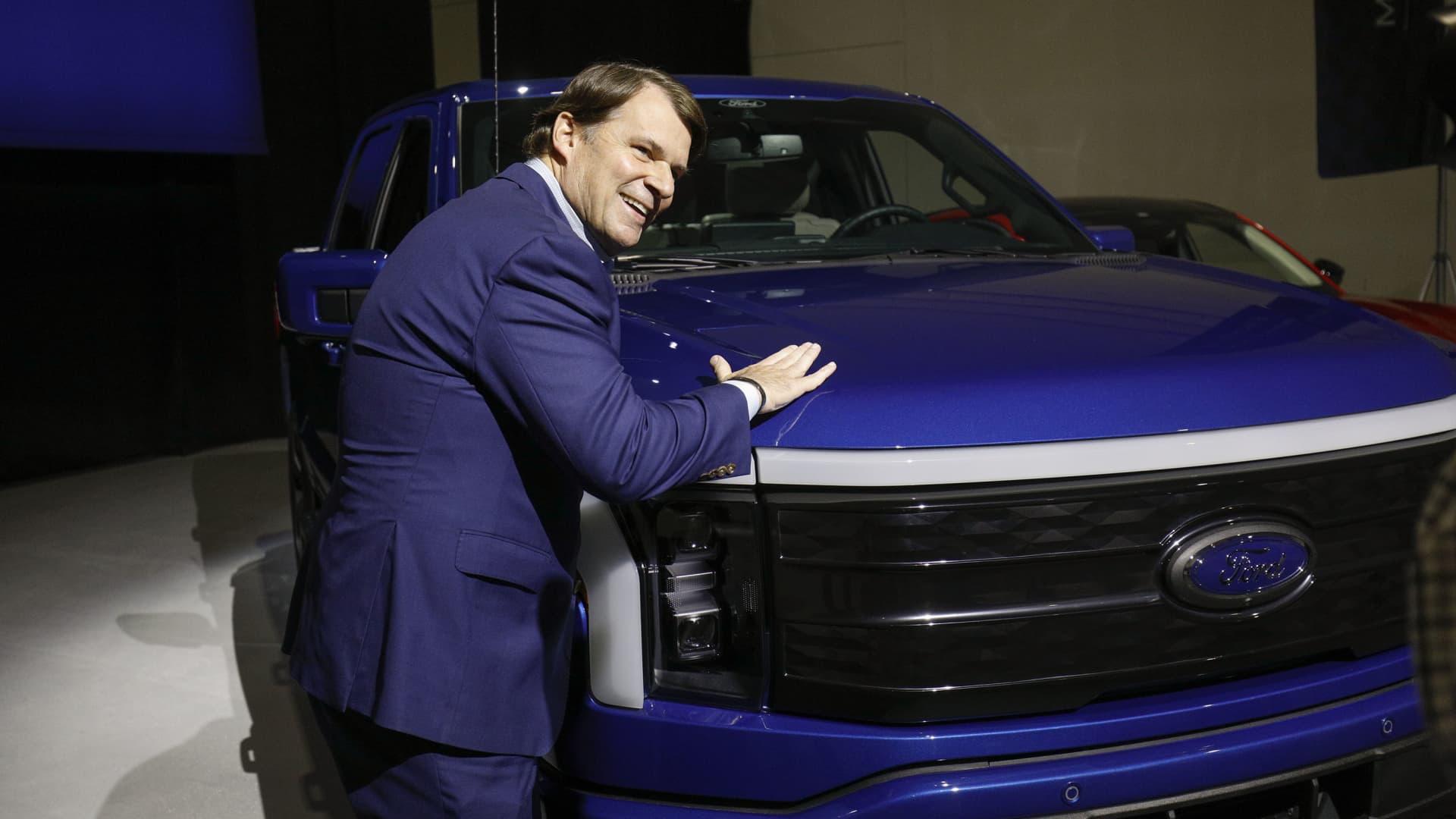
Ford topped J.D. Power's initial quality study for the first time since 2010. CEO Jim Farley says the quality turnaround is halfway done. Warranty costs fell $1.5B in 2025, but 12M recalls this year show the bill isn't paid yet.
Ford Motor Co. last week took the top spot among mass-market brands in J.D. Power's initial quality study for the first time since 2010. The ranking, released June 25, pushed Ford shares up 2% that day, the stock's second-best session of the month.
The milestone is the most visible sign yet of CEO Jim Farley's yearslong push to fix the automaker's quality problems. Ford led the U.S. in recalls in 2024 and 2025. This year it has already issued 53 recalls covering more than 12 million vehicles, on top of a record 153 recalls in 2025. A fresh recall this week added 741,195 older SUVs and F-150 pickups.
Warranty costs, the direct expense from those defects, peaked at $4.8 billion in 2023. Ford said it cut those costs by $1.5 billion last year, adjusted for volume and mix, and is targeting further reductions in 2026.
Barclays analyst Dan Levy, in a May 15 note, said Ford appeared to have "turned the corner" after four consecutive quarters of year-over-year warranty improvement. "We believe the 1Q warranty improvement is encouraging, yet believe further improvement will still be needed," Levy wrote.
Farley, speaking to CNBC, said the company is about halfway through its quality turnaround under the Ford+ plan. "Our best days are in front of us as we continue to execute this quality turnaround for our investors, for employees, for our customers," he said. "We're going to have all new vehicles across our entire North America range in a couple of years, and so that whole new lineup, we have to launch all those perfectly."
New launches are where Ford has stumbled before. Software-defined systems and electrified powertrains add complexity. One glitch can ripple across an entire product line.
Farley overhauled Ford's organizational structure, hired 350 technical specialists since 2023, tied executive bonuses to quality metrics, and brought in quality veterans from Whirlpool and Johnson Controls. The company also tried AI tools to detect problems, then had to bring back experienced "gray beard" engineers to train the models. "We found in the past that Ford restructured the company to save money, only to find that we had let go experienced people," Farley said. "By bringing those people back, that complements all this AI technology."
The J.D. Power study measures problems reported within the first 90 days of ownership. Ford improved across nearly every category – software, infotainment, powertrains. It ranked third among all brands, behind only Porsche and Genesis, and ahead of Toyota's Lexus brand.
Long-term durability is a different story. Ford and its luxury Lincoln brand ranked 18th and 19th in J.D. Power's dependability study released in February, well below the industry average. The gap between initial quality and long-term reliability is a risk for the company's reputation and resale values.
Farley declined to predict when Ford would stop leading recalls, saying he cannot control what happens with older models or what competitors do. "The ultimate success metric is will we do it over the course of five or 10 years through launches, through all sorts of economic cycles," he said. "Everyone wants the quick answer, when it comes to quality, time is the most important measure of success."
Ford's Alpha Score sits at 42 out of 100, a Mixed rating in the Consumer Discretionary sector. The stock has gained about 8% this year through Thursday's close, underperforming the broader market.
For traders, the quality turnaround is a real story that still has quarters, maybe years, of execution risk. The initial quality win is encouraging. Levy's four-quarter streak of warranty improvement is tangible. 12 million recalled vehicles this year and a durability ranking near the bottom mean the cost drag is far from gone. The next checkpoints are the July earnings call, where Ford will give its warranty outlook, and the 2027 model-year launches that will test Farley's "perfect" promise.
Drafted by a large language model from the source reporting linked above, then screened by automated publishing checks. It is not read by a journalist before publication. Some articles cite our Alpha Score. Verify prices and figures against the original source. Educational coverage, not personalized advice.