Kotak Mahindra Bank CEO Ashok Vaswani Will Not Seek Reappointment
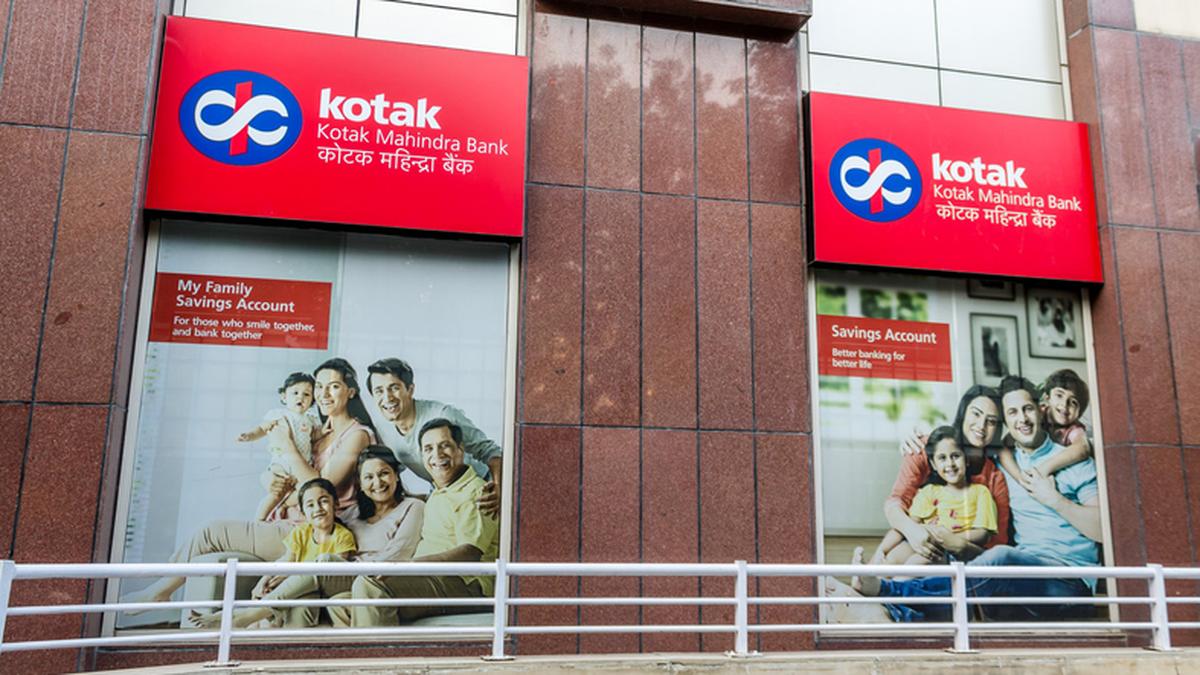
Kotak Mahindra Bank begins CEO search after Ashok Vaswani declines reappointment. Shareholders face six months of uncertainty; stock Alpha Score 42 signals caution.
Ashok Vaswani, managing director and CEO of Kotak Mahindra Bank, told the board he will not seek reappointment when his current term ends December 31, 2026. The board accepted his decision Saturday and started the process to find a successor, the bank said in a statement.
The board is aiming to complete the search within regulatory timelines, the statement added. Vaswani took the top role in January 2024 after a leadership change. He succeeded founder Uday Kotak, who stepped down in 2023. Vaswani previously worked at Citigroup and Barclays, holding senior roles in consumer banking.
Leadership transitions at large Indian private-sector banks have historically triggered share price moves in the weeks after the announcement. Kotak Mahindra Bank's stock carries an Alpha Score of 42 out of 100, a Mixed reading that reflects cautious sentiment among traders and analysts.
The Alpha Score's Mixed label means the stock shows conflicting signals across trend and momentum factors, with valuation contributing to the split, according to AlphaScala's model. That split often widens during leadership changes, when the market reassesses strategic direction. The score of 42 places Kotak Mahindra Bank in the lower half of its peer group of Indian private lenders.
The board now has roughly six months to name a replacement. The Reserve Bank of India must approve any appointment, adding a timing constraint. Kotak Mahindra Bank has a deep internal bench. External candidates could also be considered. An internal pick would signal continuity on strategy. An external hire could bring a fresh approach. It might also mean a longer transition. The RBI's approval process typically takes three to six months, requiring the search to wrap up by September to avoid a gap at the top.
Vaswani's tenure lasted just under three years. His departure comes at a point when Indian banks face narrowing net interest margins. Intensified competition for deposits is one reason. Kotak Mahindra Bank has been expanding its digital banking push, an area Vaswani championed. Under him, the bank revamped its 811 digital account and deepened ties with fintech partners. The strategy increased customer acquisition costs in the short term. It aimed to improve lifetime value. A new CEO could accelerate or recalibrate that approach.
Kotak Mahindra Bank's digital push has been a differentiator in the competitive landscape. The 811 platform now accounts for a significant share of new customer additions. The bank has also partnered with fintech firms for lending and wealth management products. The next CEO will inherit these partnerships and decide on their future.
Kotak Mahindra Bank's core profitability remains healthy, with steady loan growth and a non-performing loan ratio below 2 percent, according to its latest disclosures. The bank's loan book has grown at a pace similar to peers in the past year. In 2024, the RBI barred Kotak Mahindra Bank from issuing new credit cards through digital channels because of IT system concerns. The ban was lifted in early 2025 after the bank completed remediation. The new CEO will need to sustain momentum in regulatory compliance while pursuing growth.
Kotak Mahindra Bank trails HDFC Bank and ICICI Bank in overall market share. It has been gaining ground in wealth management and digital lending. The new CEO will need to decide whether to prioritize market share gains or protect margins, a trade-off that has become sharper across the sector.
Vaswani remains in the role until year-end. The board's search timeline and the profile of the chosen candidate will be the market's focus in the coming months.
More on Kotak Mahindra Bank's stock and Alpha Score can be found on the KMB stock page.
Drafted by a large language model from the source reporting linked above, then screened by automated publishing checks. It is not read by a journalist before publication. Some articles cite our Alpha Score. Verify prices and figures against the original source. Educational coverage, not personalized advice.