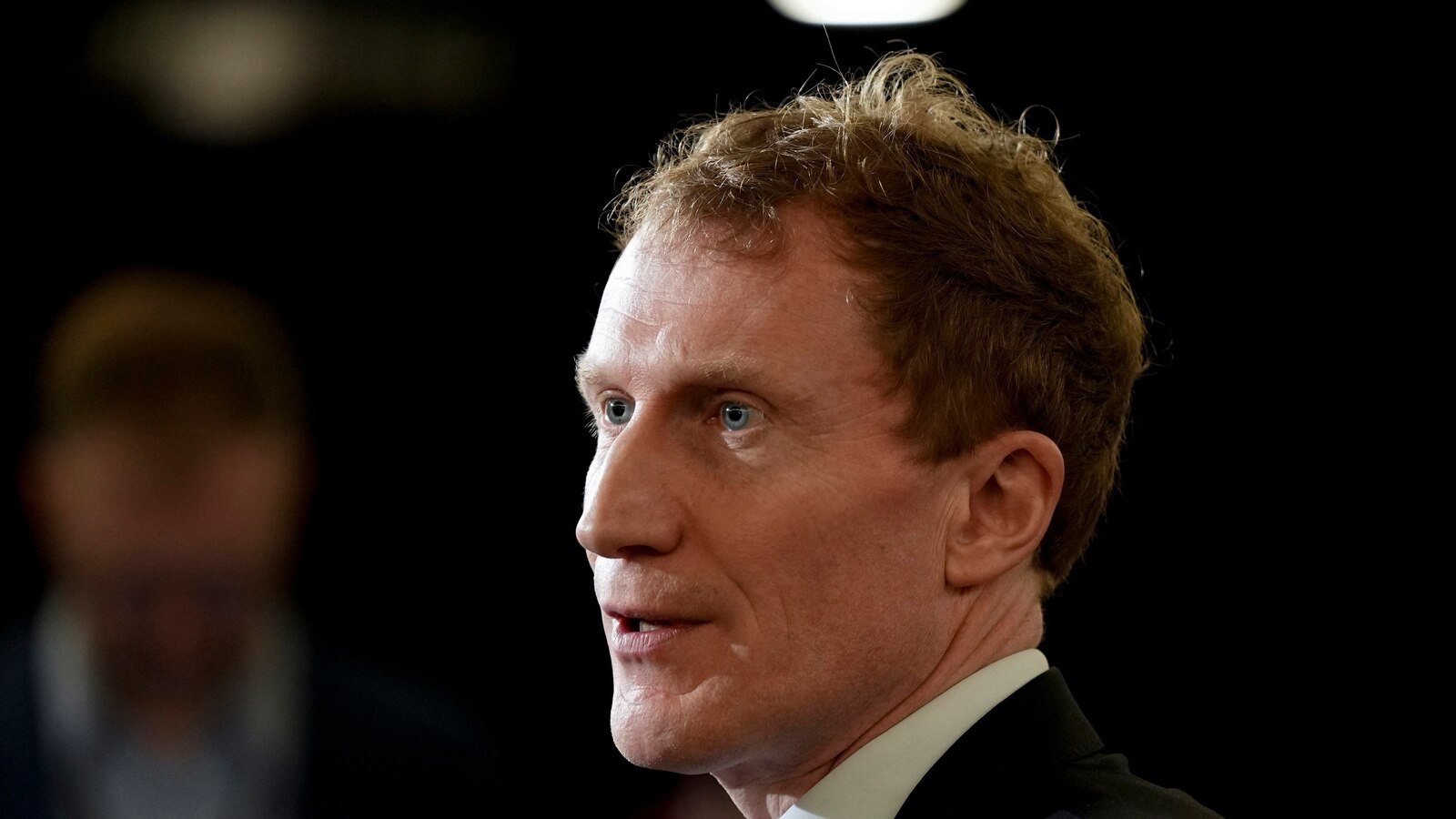
Canada’s culture minister told the country’s telecom regulator to scrap its May decision requiring large streaming services like Netflix ($NFLX) to contribute 15% of Canadian revenues to domestic content – a triple increase from the previous regime. Instead, the government will inject $600 million CAD ($432 million USD) directly into the creative sector.
For traders, the immediate read is a cost-avoidance win for US streaming platforms. The better market read, however, involves trade-policy timing, political risk in the USMCA renegotiation, and the unresolved tension between Ottawa’s cultural protection goals and its affordability push.
Regulatory U-Turn on Streaming Content Levy
The Canadian Radio-television and Telecommunications Commission (CRTC) – Canada’s equivalent of the US Federal Communications Commission – announced in May it would enforce the 15% levy as part of implementing the Online Streaming Act. By June, the Motion Picture Association had formally called on the Canadian Cabinet to reconsider, and US Ambassador Pete Hoekstra publicly demanded a rescission.
The Government’s Reasoning
Culture Minister Marc Miller told reporters in Ottawa that trade pressure was not the sole driver. “We’re impatient to make sure that the [streaming] sector stays vital and stays supported, and that’s why we’re making that investment of $600 million Canadian into the industry,” he said.
Prime Minister Mark Carney framed the reversal as a cost-of-living measure. “This is not the time to raise the costs for Canadians,” he said.
Industry Backlash
The reversal angered Canadian production groups. Kyle Irving, chair of the board of the Canadian Media Producers Association, said: “We are concerned that the federal government has sold out Canadian culture in favor of big U.S. tech interests.” He questioned whether US streamers that generate “tens of billions” from Canadian subscribers should be exempt from direct content investment.
Exposure: US Streaming Giants
Netflix ($NFLX)
Netflix was the most visible target. The original CRTC decision would have required it to redirect a share of Canadian subscription revenue (estimated in the hundreds of millions annually by analysts) into domestic production. The reversal avoids a direct cost headwind.
Broader Streaming Sector
Other platforms represented by the Motion Picture Association – including Disney+ ($DIS), Amazon Prime Video ($AMZN), and Apple TV+ ($AAPL) – also faced the levy. The U-turn removes a common compliance burden and sets a precedent that US-Canada trade tensions can shift regulatory outcomes.
Domestic Producers
Canadian production companies and broadcasters that would have received content funding via the CRTC mechanism now face an uncertain funding structure. The $600 million CAD commitment is a one-time government pledge; it does not replicate the recurring revenue stream the levy would have created.
Timeline and Next Catalysts
| Date | Event | Impact on Streaming Risk |
|---|
| May 2025 | CRTC orders 15% levy | Negative for US streamers; positive for Canadian producers |
| Late May 2025 | Motion Picture Association appeals to Cabinet | Trade friction escalates |
| June 2025 | Canada directs CRTC to back down; pledges $600M CAD | Positive for streamers; negative for production groups |
| 2025–2026 | USMCA renegotiation | Further regulatory changes possible |
What Would Reduce the Risk Further
- The USMCA renegotiation produces a clear carve-out for digital services taxes or content quotas, eliminating future levy threats.
- Canada formalises the $600 million CAD commitment into a multi-year fund with stable disbursement rules, reducing production-sector lobbying pressure.
- Streaming platforms voluntarily expand Canadian content investment, reducing political pressure for re-regulation.
What Would Make It Worse
- The next CRTC ruling imposes an alternative levy, such as a revenue-based tax unrelated to content investment.
- Canada’s government fails to deliver the full $600 million CAD commitment, reigniting producer calls for a mandatory levy.
- The United States counters Canada’s U-turn with a demand for further concessions in the USMCA talks, creating uncertainty for cross-border business models.
How to Position Around This Event
Simple Read
Streaming stocks benefit from a regulatory cost that did not materialise. Netflix, Disney, Amazon, and Apple see near-term Canadian revenue margins protected. The $600 million CAD government investment is a fiscal stimulus to the Canadian production sector, potentially boosting local studio stocks or exchange-traded funds.
Better Market Read
The reversal is a bet that trade pressure will continue to shape Canadian cultural policy. The Online Streaming Act remains law; the CRTC is merely directed to enforce it differently. A future commission – or a future government – could reimpose the levy. For traders, the risk is not eliminated; it is deferred to the USMCA negotiation timeline.
- Valuation angle: For a company like Netflix, which reported about $35 billion in global revenue last year, Canadian exposure is small. The real impact was precedent: Canada was the first major US ally to test a content-revenue levy. A win here reduces the probability of similar rules in the EU or Australia in the near term.
- Execution risk: The $600 million CAD pledge must pass through Canada’s parliamentary budget process. Any delay or shortfall would re-energise the production lobby and invite the next CRTC rulemaking.
What This Means for Trade and Policy Portfolios
The backdown arrives as Canada and the United States begin formal discussions on renewing the United States-Mexico-Canada Agreement (USMCA) . Trade lawyers and sovereign-bond traders should watch whether this concession appears in the text as a Canadian goodwill gesture, which would shift bargaining dynamics on auto rules of origin or dairy market access.
For stock market analysis purposes, the streaming sector’s regulatory risk score in North America drops a notch. The sector now faces a clearer, more predictable cost structure for the next 12–18 months, barring a sudden re-escalation.
Final Takeaway for Traders
Canada’s direction to the CRTC is a net positive for US streaming stocks and a net negative for Canadian production companies that were counting on mandatory contributions. The real catalyst week will come when the USMCA text is published. Until then, the risk is managed, not buried.