Apple raised prices on several Mac and iPad models this week, with the MacBook Air 512 GB jumping $200 to $1,299 and the iPad Air 128 GB climbing $150 to $749. The budget MacBook Neo, which started at $599, now costs $699. The increases extend across the HomePod and Apple TV lines.
The company attributed the moves to rising costs for memory and storage components, particularly RAM. Laura Cress reported for BBC News that the price hikes follow a broader trend of device makers absorbing higher hardware costs. Much of the pressure comes from data centres built to power the AI boom, which have created an imbalance between supply and demand.
The Strait of Hormuz blockade added another layer. The U.S. struck Iranian targets after a tanker was hit in the strait, disrupting shipping routes that carry a significant share of global memory-component traffic.
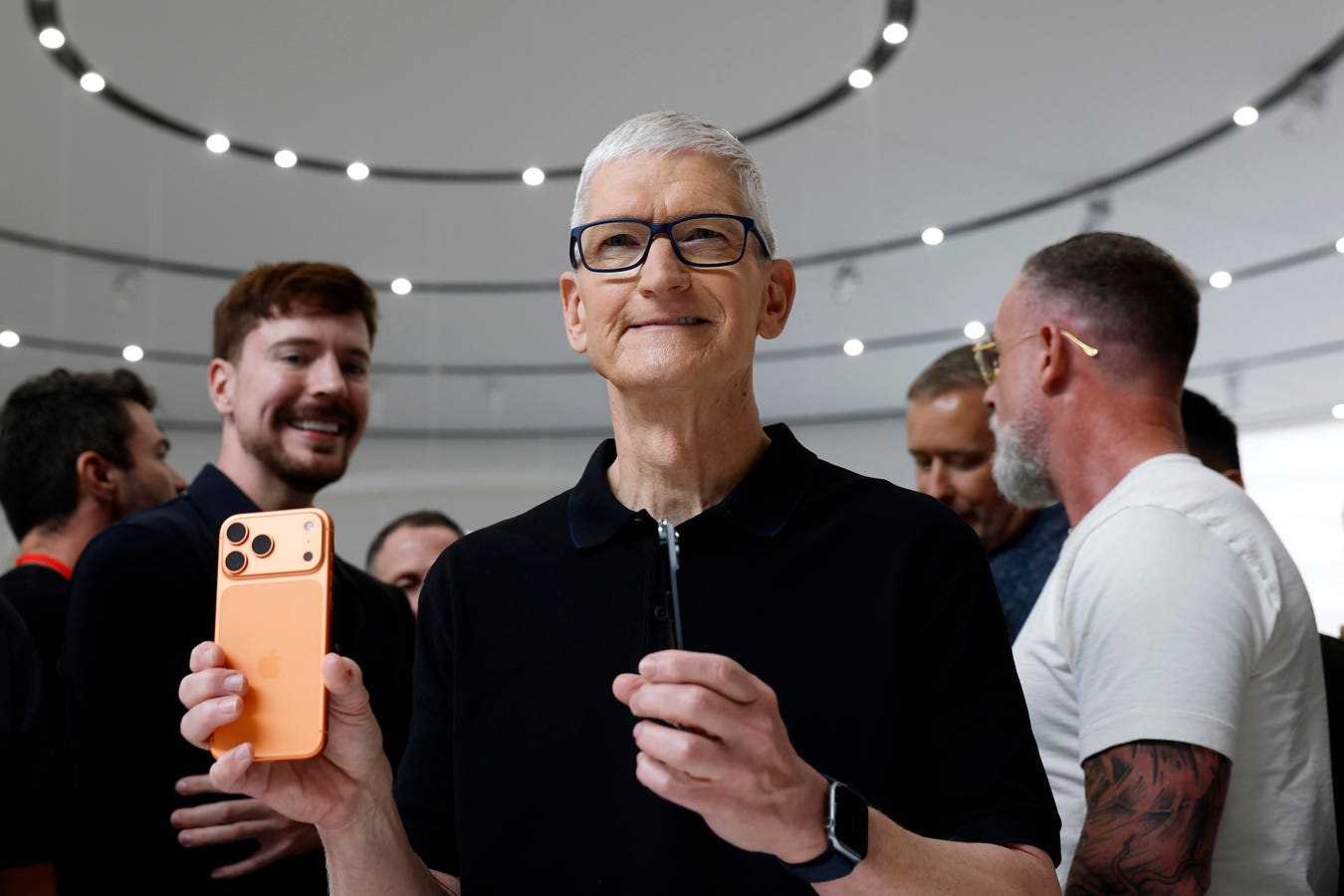
The question for investors is how these cost pressures will affect the iPhone 18 Pro, expected to launch around September 9. The iPhone 17 Pro currently starts at $1,099. JP Morgan analysts see a conservative $50 to $100 increase, with Apple finding savings elsewhere. Nabila Popila, IDC's Senior Director of Data & Analytics, thinks the hike could be steeper.
"In our forecast, we had assumed a price hike of $100 to pro and ProMax models, and $50 hike to base models – however, seeing the price hikes today to iPad and MACs going as high as $300 for some models, my personal instinct says the hike to iPhones may be even higher than what we assumed – perhaps even $200 to the pro/Promax models. I think the days of $50 price increases are over," Popila said.
The launch date itself matters. An earlier iPhone release gives Apple's Android competitors less time to establish their own flagship cycles. The iPhone 18 Pro launch resets not just Apple's lineup but also pressures rivals like Samsung and Google, whose devices face weaker defensive positioning against Apple's advertising machine.
Apple is also working through public betas of iOS 27, testing features that will debut with the new hardware. AI Dictation, for example, requires 12 GB of RAM and will be limited to the iPhone 17 Pro, iPhone 17 Pro Max, and iPhone Air. The standard iPhone 17, with 8 GB, cannot run it. That hardware gap reinforces the upgrade incentive for the Pro models.
A second-generation iPhone Air is expected in early 2027. Bloomberg's Mark Gurman reported that current prototypes, code-named V62, add a second rear camera for ultrawide-angle photography. The Air 2 would launch alongside the iPhone 18 and iPhone 18e.
Apple's broader AI strategy also came into focus this week. The company announced that Google's Gemini AI will support Apple Intelligence. Damian Scott drew parallels to the search-engine deal between Apple and Google, where Apple chose to be the platform rather than compete directly. The same dynamic may play out in AI, with Apple providing the distribution layer while partners build the models.
Apple's stock closed at $281.20, up 2.20% on the day. The Alpha Score sits at 43 out of 100, a Mixed reading that reflects the tension between pricing power and rising input costs. The next concrete marker is the September launch event, where Apple will show whether it can pass those costs to consumers without denting demand.