JPMorgan's Earnings Strength Draws Regulatory Heat
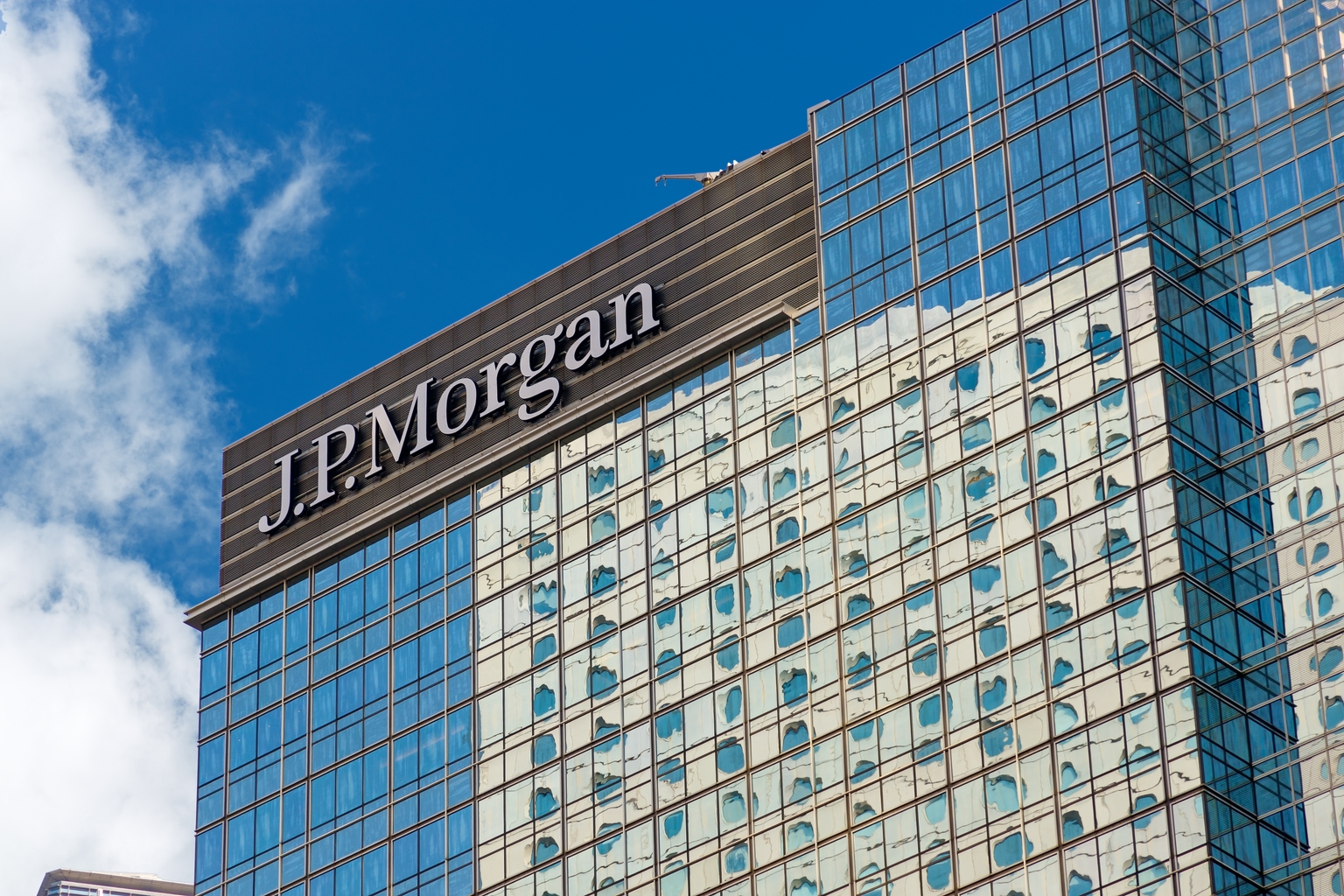
JPMorgan's record profits draw regulatory scrutiny as the Fed pushes higher capital requirements. CEO Dimon pushes back. The stock trades at $333.88 with an Alpha Score of 55.
JPMorgan Chase reported another quarter of earnings that beat expectations. The problem, according to a Financial Times report, is that the bank is making too much money for regulators to ignore.
The bank posted a 6% rise in net interest income, driven by higher rates and a still-healthy consumer. The same earnings strength is drawing scrutiny from the Federal Reserve and the Office of the Comptroller of the Currency, which are pushing for higher capital requirements. The proposed Basel III endgame rules, which would force the largest U.S. banks to hold more capital against lending and trading, are the immediate mechanism. JPMorgan's size and profitability make it the most exposed.
The bank's CET1 ratio stood at 15.2% at the end of the first quarter, well above the current regulatory minimum. The proposed rules would add roughly $50 billion to JPMorgan's capital requirement, according to the bank's own estimates. That would compress return on tangible common equity, a key metric for investors, from the current 21% toward the mid-teens.
CEO Jamie Dimon has been vocal in pushing back. He told analysts on the earnings call that the rules would make U.S. banks less competitive globally and push lending into the shadow banking system. The industry's lobbying effort has slowed the rulemaking. The Fed has signaled it intends to finalize the rules by year-end.
The capital debate is not new. What has shifted is the political calculus. The bank's record profits – $49.6 billion in 2023 – make it a target for lawmakers who argue the industry is extracting too much from consumers. Senator Elizabeth Warren and other Democrats have called for stricter oversight. The regulatory push has bipartisan support in some areas, including higher capital for large regional banks after last year's failures.
For JPMorgan shareholders, the risk is a multiyear drag on earnings growth. The bank can absorb higher capital requirements without a crisis – it is not a solvency story. The return on equity compression would reduce the premium the stock commands relative to peers. JPMorgan trades at about 1.8 times tangible book value, a premium to Bank of America and Citigroup. That gap could narrow if the capital rules hit harder than the market expects.
The counterargument, which Dimon makes, is that higher capital requirements would make the system safer and that JPMorgan's scale gives it a cost advantage over smaller banks. The bank's efficiency ratio, at 58%, is among the best in the industry. Even with higher capital, JPMorgan would still generate double-digit returns.
The next concrete marker is the Fed's final rule, expected in the fourth quarter. The industry is pushing for a phase-in period of at least three years. If the final rule is softer than the proposal, the stock could re-rate. If it is stricter, the earnings headwind becomes a multiyear story.
JPMorgan's Alpha Score is 55 out of 100, a Moderate rating, reflecting the tension between strong current earnings and the regulatory overhang. The stock is up 0.72% on the day at $333.88.
Drafted by a large language model from the source reporting linked above, then screened by automated publishing checks. It is not read by a journalist before publication. Some articles cite our Alpha Score. Verify prices and figures against the original source. Educational coverage, not personalized advice.