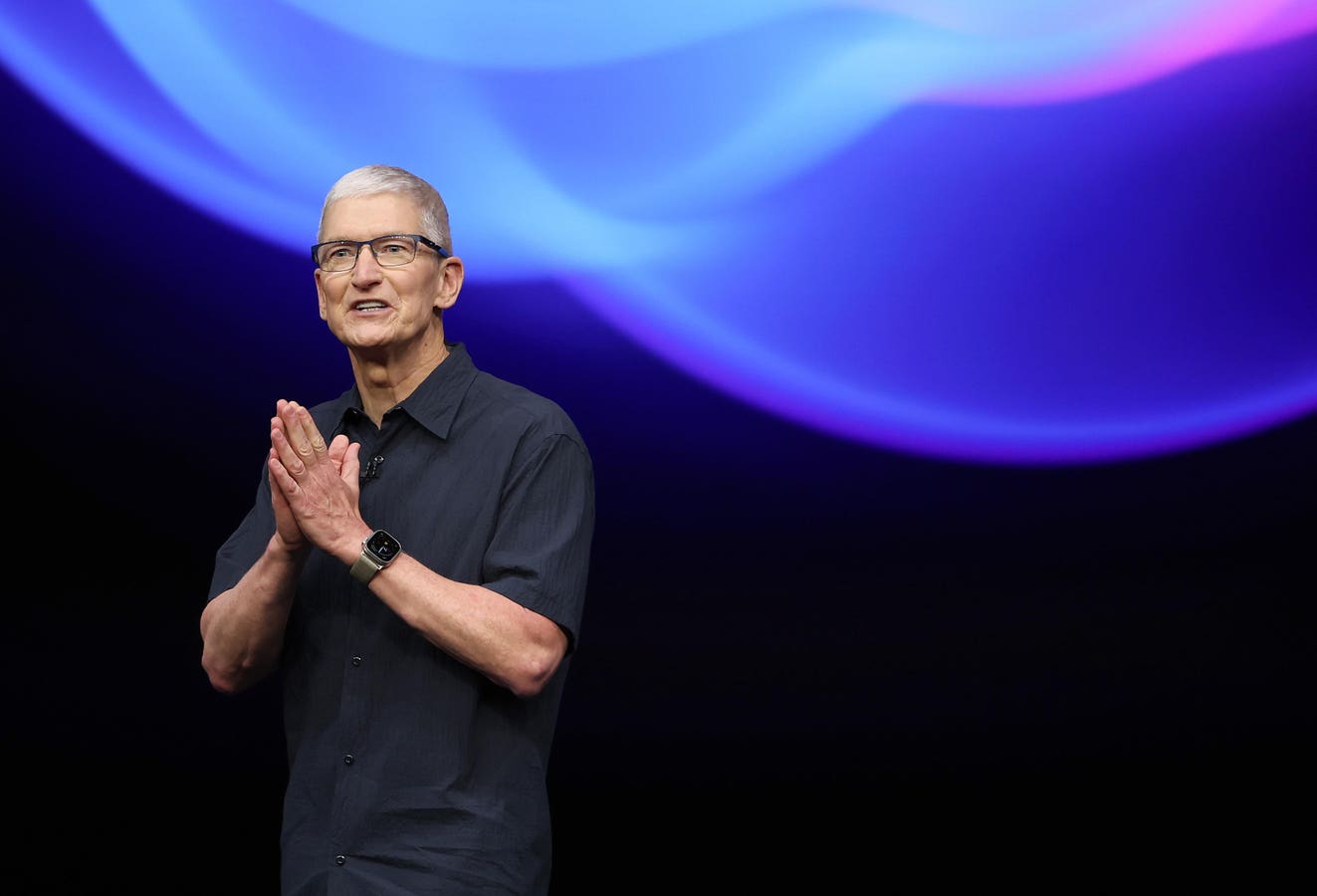
Apple’s leadership transition, marked by the appointment of John Ternus as CEO and the elevation of Johny Srouji to Chief Hardware Officer, signals a fundamental shift in the company's long-term product strategy. While the departure of Tim Cook dominates the narrative, the structural changes within the executive suite point toward a deeper integration of agentic artificial intelligence directly into the silicon layer. This move suggests that the next generation of Apple devices will prioritize autonomous processing capabilities over traditional software-driven features.
Silicon-Centric Strategy and Agentic Integration
The promotion of Johny Srouji to Chief Hardware Officer is the most significant indicator of this strategic pivot. By placing the architect of Apple’s custom silicon at the center of the hardware division, the company is signaling that future device performance will be defined by the efficiency of on-device AI agents. This approach reduces reliance on cloud-based processing, which has historically been a bottleneck for latency-sensitive agentic tasks. The hardware team is now positioned to design chips specifically optimized for the complex, multi-step reasoning required by autonomous agents.
This shift moves Apple away from the general-purpose computing model that defined the last decade. Instead, the company is building a closed-loop ecosystem where the hardware, operating system, and AI agents are developed in tandem. The focus on agentic AI implies that devices will eventually perform tasks on behalf of the user without constant manual input, requiring a level of power efficiency and thermal management that only custom silicon can provide.
Sector Read-Through and Valuation Dynamics
The broader technology sector is currently evaluating how hardware-level AI integration will impact margins and product refresh cycles. If Apple successfully embeds agentic capabilities into its core hardware, it could create a significant moat that software-only competitors struggle to replicate. This strategy forces a re-evaluation of how hardware companies are valued, shifting the focus from unit sales volume to the long-term utility of the AI agents residing on the device.
AlphaScala data currently reflects a moderate outlook for the company, with AAPL holding an Alpha Score of 60/100 and trading at $273.05, up 1.04% today. Investors are monitoring whether this leadership change will accelerate the timeline for these hardware-integrated AI features or if the transition period will introduce operational friction. The market is currently pricing in a steady state, but the internal reorganization suggests that the company is preparing for a more aggressive push into autonomous computing.
The Path Toward Next-Generation Hardware
The next concrete marker for this strategy will be the upcoming product roadmap updates. Investors should look for specific disclosures regarding the neural engine capabilities in future chip iterations and any changes to the software development kit that allow third-party developers to tap into these agentic functions. These details will clarify whether the company intends to keep these capabilities exclusive to its own apps or if it will open the platform to a broader ecosystem of autonomous agents. The success of this transition depends on the ability of the new leadership to maintain the tight integration between Srouji’s hardware roadmap and the broader Apple (AAPL) profile software vision. As the company navigates this leadership change, the focus remains on whether the hardware-first approach can sustain premium pricing in a market increasingly crowded by AI-enabled devices.