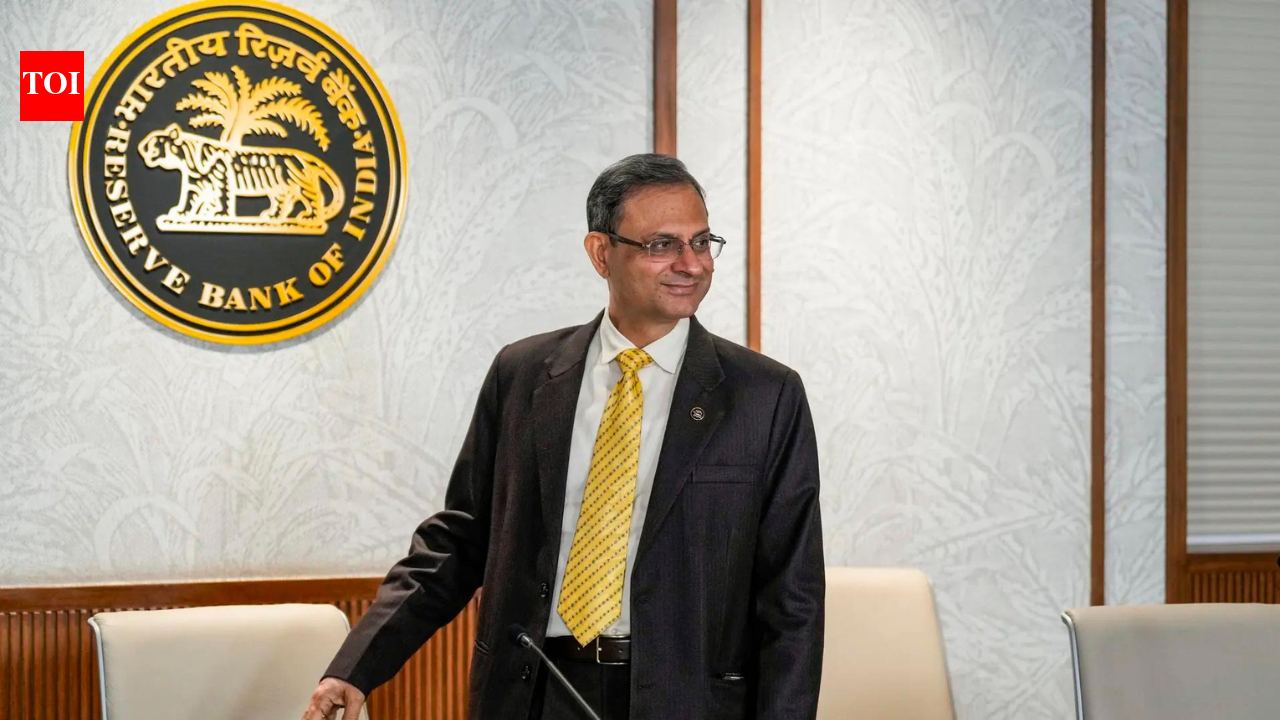
Reserve Bank of India Governor Sanjay Malhotra has signaled a firm commitment to maintaining domestic policy autonomy, asserting that the nation will not sacrifice macroeconomic sovereignty for the sake of accelerated capital account liberalization. This stance underscores a cautious approach to financial integration, prioritizing the stability of the domestic monetary framework over the potential inflows associated with unfettered capital mobility.
The Transmission of Policy Autonomy
The Governor's emphasis on sovereignty suggests that the central bank intends to retain full control over interest rate settings and liquidity management, regardless of global financial conditions. By resisting pressure to fully open the capital account, the RBI aims to insulate the domestic economy from the volatility inherent in speculative short-term capital flows. This policy priority directly influences how the central bank manages the rupee and domestic credit conditions, as it limits the extent to which global liquidity cycles can dictate local monetary policy.
For investors, this signals that the RBI will likely remain a defensive actor in the face of external shocks. The central bank's preference for stability over rapid financial globalization suggests that shifts in interest rate policy will remain tethered to domestic inflation and growth mandates rather than external parity requirements. This approach creates a distinct environment for fixed-income markets, where the risk of sudden, policy-driven capital flight is mitigated by regulatory guardrails.
Impact on Currency and Liquidity Management
Maintaining macro sovereignty requires a delicate balance between currency intervention and domestic liquidity control. When capital account liberalization is constrained, the central bank faces fewer challenges in managing the exchange rate, as it does not need to align domestic rates with global benchmarks to prevent capital outflows. This allows the RBI to maintain a more independent yield curve, which is essential for supporting domestic credit growth in sectors like communication services and consumer staples.
AlphaScala data reflects the current landscape for major firms operating within these sectors:
- T (AT&T Inc.) holds an Alpha Score of 60/100, categorized as Moderate.
- COST (Costco Wholesale Corporation) holds an Alpha Score of 57/100, categorized as Moderate.
- NWSA (NEWS CORP) remains currently Unscored.
Detailed analysis of these positions can be found on the T stock page, the COST stock page, and the NWSA stock page.
This policy framework serves as a critical marker for future market analysis. The next concrete indicator of this strategy will emerge during the upcoming monetary policy committee meetings, where the RBI will demonstrate how it balances its commitment to sovereignty against the evolving pressures of global trade and regional geopolitical risks. Investors should monitor the central bank's stance on foreign exchange reserves and liquidity injection schedules as primary indicators of how this sovereignty mandate is being operationalized in real time.