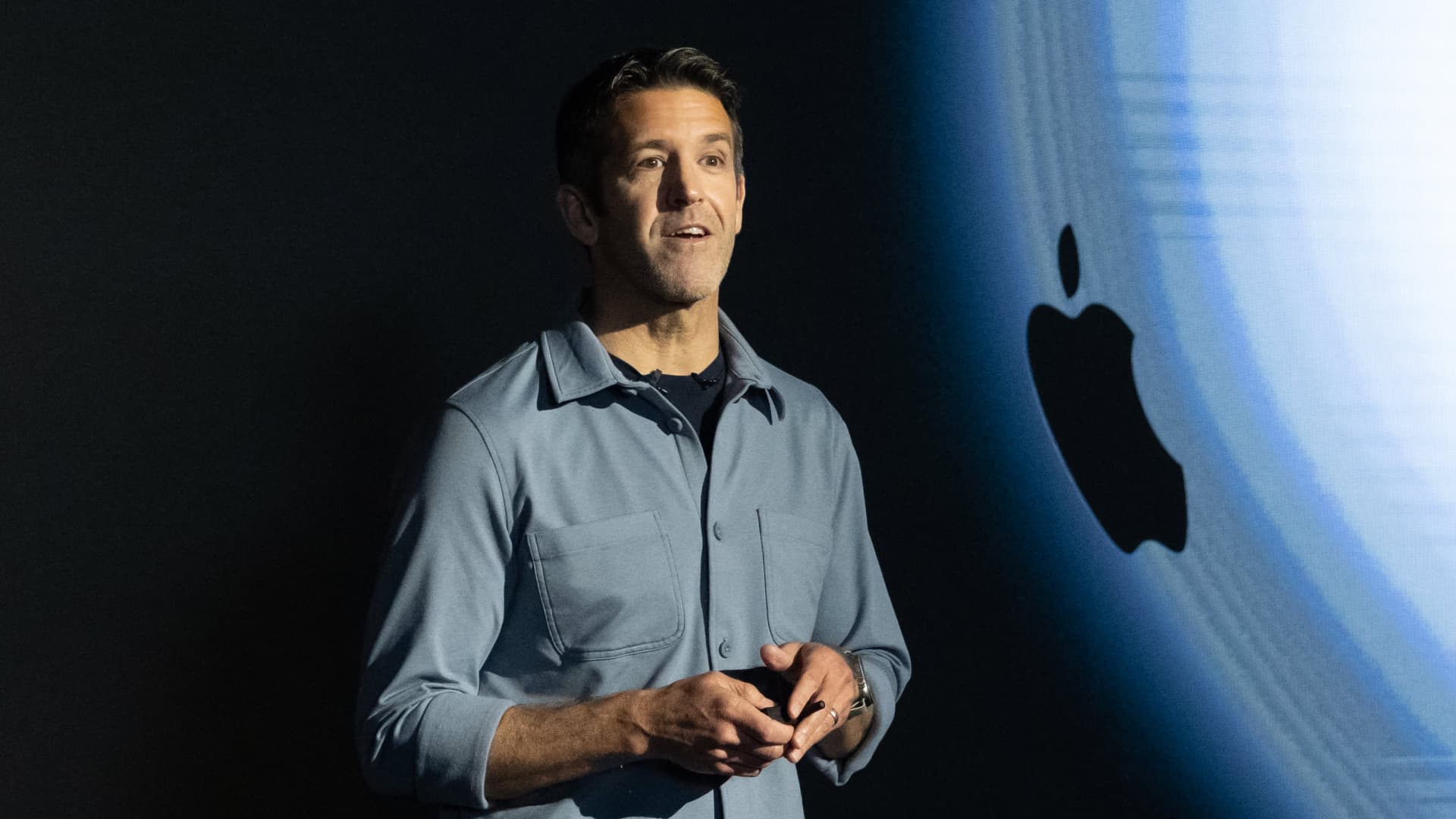
Apple announced on Monday that John Ternus will succeed Tim Cook as Chief Executive Officer, effective September 1. Tim Cook will transition into the role of executive chairman, marking the end of a long tenure that defined the company's modern era of services growth and supply chain optimization. The selection of Ternus, who currently serves as the senior vice president of hardware engineering, suggests a shift in focus back toward the core product architecture that historically anchored the company's revenue base.
Hardware Engineering as the New Strategic North Star
The appointment of a career hardware engineer to the top post indicates that Apple intends to prioritize technical differentiation in its upcoming product cycles. Ternus has overseen the development of the Mac, iPad, and iPhone lines, positioning him to lead the company through a period where hardware integration with proprietary silicon is critical to maintaining margins. By elevating a leader from the engineering ranks rather than the operations or services divisions, the board is signaling a commitment to product innovation as the primary driver of future market share.
This transition arrives at a time when the company must reconcile its massive services ecosystem with the physical devices that serve as the entry point for its users. Investors will look to the September transition date to see how the new leadership team balances the existing services-led growth model with the potential for a hardware-driven refresh cycle. The shift in the chairman role ensures that institutional knowledge remains within the company, providing a bridge for the new CEO during the initial phase of the transition.
Valuation and Operational Continuity
Apple currently maintains an Alpha Score of 60/100, reflecting a moderate outlook as the market digests the implications of this leadership change. With the stock trading at $272.93, up 1.00% today, the market reaction suggests a degree of stability in the transition plan. The company's ability to maintain its current valuation will depend on whether the new CEO can sustain the operational efficiency that characterized the previous decade of growth.
- Ternus brings extensive experience in silicon design and hardware integration.
- Cook moves to executive chairman to oversee long-term strategic initiatives.
- The transition is scheduled for completion on September 1.
For those tracking the AAPL stock page, the primary focal point remains the upcoming product roadmap and how it aligns with the new CEO's background. While the services segment has provided a reliable revenue stream, the market is now waiting to see if the hardware engineering focus will lead to a new category of devices or a deeper integration of existing ones. The next concrete marker for this transition is the September 1 effective date, which will likely be accompanied by a formal update on the company's long-term product strategy and capital allocation priorities. As the company navigates this shift, stock market analysis will focus on whether the hardware-first approach can accelerate growth in a saturated device market.