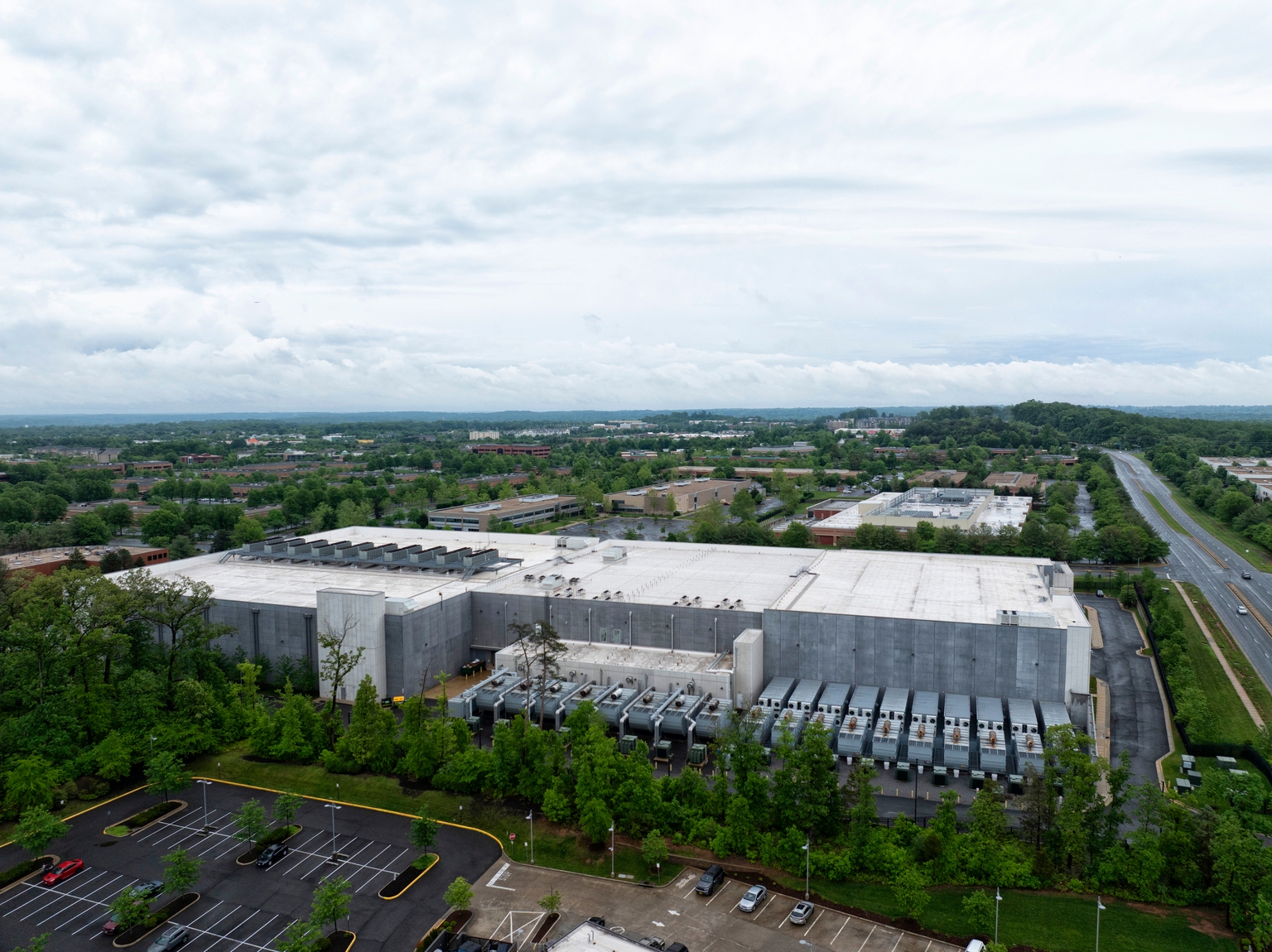
The Tortoise AI Infrastructure ETF (TCAI) has reached a critical juncture as its rapid appreciation since inception meets the reality of stretched valuations across its core holdings. The fund, which focuses on the intersection of artificial intelligence and physical infrastructure, has delivered a 68% return since its launch. This performance reflects the broader capital expenditure cycle currently driving the power, data center, and connectivity sectors. However, the current price levels suggest that the initial surge of enthusiasm for AI-adjacent infrastructure is now fully reflected in the underlying asset prices.
Valuation Constraints in AI Infrastructure
The primary challenge for the fund is the transition from speculative growth to fundamental earnings delivery. Many of the companies within the AI infrastructure ecosystem are currently trading at multiples that assume sustained, multi-year growth in power demand and data center capacity. As these valuations expand, the margin for error in quarterly reporting narrows significantly. Investors are no longer rewarding simple exposure to the AI theme. Instead, the focus has shifted toward companies that can demonstrate tangible cash flow conversion from their infrastructure projects.
The current composition of the fund faces pressure from several factors:
- Elevated price-to-earnings ratios across utility and hardware providers.
- Increased capital costs impacting the feasibility of large-scale infrastructure projects.
- Supply chain bottlenecks for critical components like transformers and high-voltage equipment.
These constraints suggest that the next phase of performance will be driven by operational efficiency rather than multiple expansion. Companies that fail to translate high demand into bottom-line growth will likely face significant valuation compression, regardless of their strategic positioning in the AI supply chain.
Sector Read-Through and Capital Allocation
The performance of TCAI serves as a proxy for the broader industrial and utility sectors that are currently undergoing a massive pivot to accommodate the energy requirements of large language models. This shift has forced a re-evaluation of traditional utility stocks, which were once viewed as defensive, low-growth assets. Now, these firms are central to the digital economy, yet they remain tethered to regulatory frameworks and capital-intensive project timelines. This duality creates a complex risk profile for the ETF.
For investors monitoring this space, the stock market analysis suggests that the correlation between AI software development and physical infrastructure deployment is tightening. While the software side of the industry often benefits from high margins and scalability, the infrastructure side is bound by the physical constraints of the power grid and construction timelines. The disconnect between these two realities is where the most significant volatility is likely to emerge in the coming quarters.
AlphaScala data currently tracks Agilent Technologies, Inc. (A) with an Alpha Score of 55/100, reflecting a moderate outlook within the broader healthcare and instrumentation sector that often overlaps with the analytical needs of high-tech infrastructure providers.
The Next Marker for Infrastructure Capital
The next concrete marker for the fund will be the upcoming cycle of capital expenditure updates from major utility and data center operators. These filings will provide the first real evidence of whether the projected demand for AI-ready infrastructure is being converted into actual project starts or if companies are beginning to moderate their outlooks due to rising costs. Any sign of project delays or downward revisions to guidance will serve as a definitive signal that the current valuation premiums are unsustainable. Monitoring these specific project-level disclosures will be essential for determining if the sector is entering a consolidation phase or if the current growth trajectory remains intact.