Stocks● Neutral
Zambia Mobile Money Adoption Hits 76.2 Percent in 2025
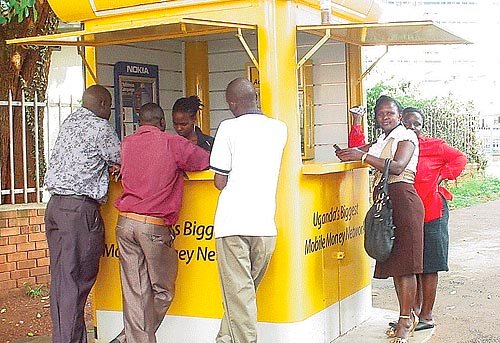
Zambian mobile money usage reached 76.2% in 2025, up from 58.4% in 2020. This shift marks a transition to digital-first finance, impacting regional market growth.
Continue with
The 2025 FinScope Survey Report confirms a significant shift in the Zambian financial landscape, with mobile money usage climbing to 76.2 percent. This represents a substantial increase from the 58.4 percent adoption rate recorded in 2020. The data highlights a rapid transition away from traditional cash-based transactions toward digital infrastructure, driven by broader accessibility and the integration of mobile platforms into daily economic activity.
Structural Shifts in Financial Inclusion
The jump in adoption rates suggests that mobile money is no longer a niche service but the primary vehicle for financial inclusion in the region. For market observers, this shift is not merely a change in consumer preference but a fundamental alteration of the velocity of money. As more individuals move their capital into digital wallets, the liquidity profile of the local economy changes. This creates a more transparent, trackable, and efficient system that reduces the friction associated with physical cash handling.
When adoption reaches this threshold, the secondary effects on retail and banking sectors become more pronounced. Businesses that fail to integrate mobile payment gateways risk losing access to a majority of the addressable market. The infrastructure supporting these transactions, including telecom providers and fintech intermediaries, now serves as the backbone of the national payment system. This transition forces a re-evaluation of how credit is extended and how savings are managed, as digital footprints provide new data points for risk assessment that were previously unavailable in a cash-heavy environment.