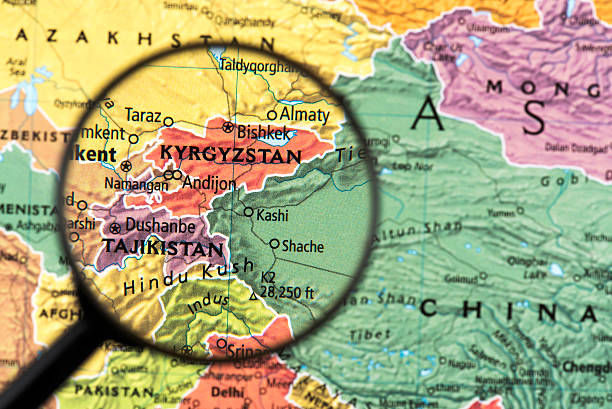
The financial landscape of Kyrgyzstan has undergone a structural pivot between 2024 and 2026, moving from a fragmented, bank-dominated model to a rapidly digitizing ecosystem. With a gross domestic product of approximately $22 billion and a GDP per capita approaching $2,900, the nation is leveraging its position as a trade crossroads to formalize its economy through digital adoption. The most striking metric of this transition is the surge in QR-code payments, which reached over 53 million transactions in a single quarter last year. This volume represents more than a mere shift in consumer preference; it marks a fundamental departure from the cash-heavy reliance that historically defined the region.
The Mechanism of Digital Adoption
The current ecosystem comprises roughly 40 active players, ranging from mobile-first banking platforms to telecom-linked payment services. The dominance of hybrid models, where telecom operators and banks collaborate, has been the primary driver of penetration. Platforms such as MBank, O!Money, and Balance.kg have effectively captured the retail market by integrating financial services into the daily digital habits of the population. This integration is supported by the National Bank of the Kyrgyz Republic, which has prioritized interoperability and instant payment infrastructure to reduce friction in the financial system. By fostering these standards, the central bank has effectively lowered the barrier to entry for both consumers and smaller fintech startups.
Financial Inclusion and Structural Shifts
Financial inclusion metrics provide a clear view of this progress. As of last year, over 70 percent of adults in Kyrgyzstan held access to financial accounts. This figure is significant, as it places the nation ahead of several regional peers and demonstrates the efficacy of mobile wallets and digital government payment initiatives. The National Development Programme (2021–2026) has served as the policy anchor for this growth, prioritizing digital public services and infrastructure investment, including expanded fiber connectivity. These efforts are not occurring in a vacuum; they are part of a broader strategy to modernize the economy and reduce the informality that has long characterized the Central Asian market.
Institutional and Regulatory Frameworks
While the growth is palpable, the institutional architecture remains in a state of development. The Kyrgyz Fintech Association and various development partners, including the Asian Development Bank, are filling the void left by the absence of a large, formal industry body. These organizations are focusing on critical areas such as SME finance, digital identity, and financial literacy. Regulatory capacity is also evolving, with the National Bank of the Kyrgyz Republic cautiously exploring pilot frameworks for innovation while maintaining a focus on cybersecurity and regional alignment through the Eurasian Economic Union (EAEU).
Risks and Market Volatility
Despite the momentum, the ecosystem faces structural headwinds that investors must weigh. The financial system remains relatively shallow, and capital markets are underdeveloped, which limits the ability of fintech firms to scale through traditional equity or debt financing. Furthermore, the economy’s reliance on remittance flows and its sensitivity to geopolitical shifts in the Eurasian region introduce a layer of volatility that can disrupt growth trajectories. The reliance on external factors means that while the digital infrastructure is improving, the underlying economic stability remains susceptible to shocks that are outside the control of local fintech operators.
For those evaluating the stock market analysis of the region, the primary takeaway is that Kyrgyzstan is proving that scale is not a prerequisite for digital innovation. The agility of the current 40-player ecosystem suggests that the country is moving toward a more formalized financial future. However, the lack of deep capital markets means that growth will likely remain tied to operational efficiency and the continued support of international development partners. Investors should look for further evidence of open banking adoption and the potential introduction of a digital som as the next concrete markers of the sector's maturity. If the current trajectory of transaction growth continues, the next phase of development will likely involve the integration of more complex credit products and cross-border payment solutions, which would further solidify the role of fintech in the broader Indian IT Sector Faces AI Revenue Test Amid FII Capital Outflow context, as regional digital standards continue to converge.