Stocks● Neutral
Zambia Election Wildcard: Mudolo’s Independent Bid Shakes Up August Vote
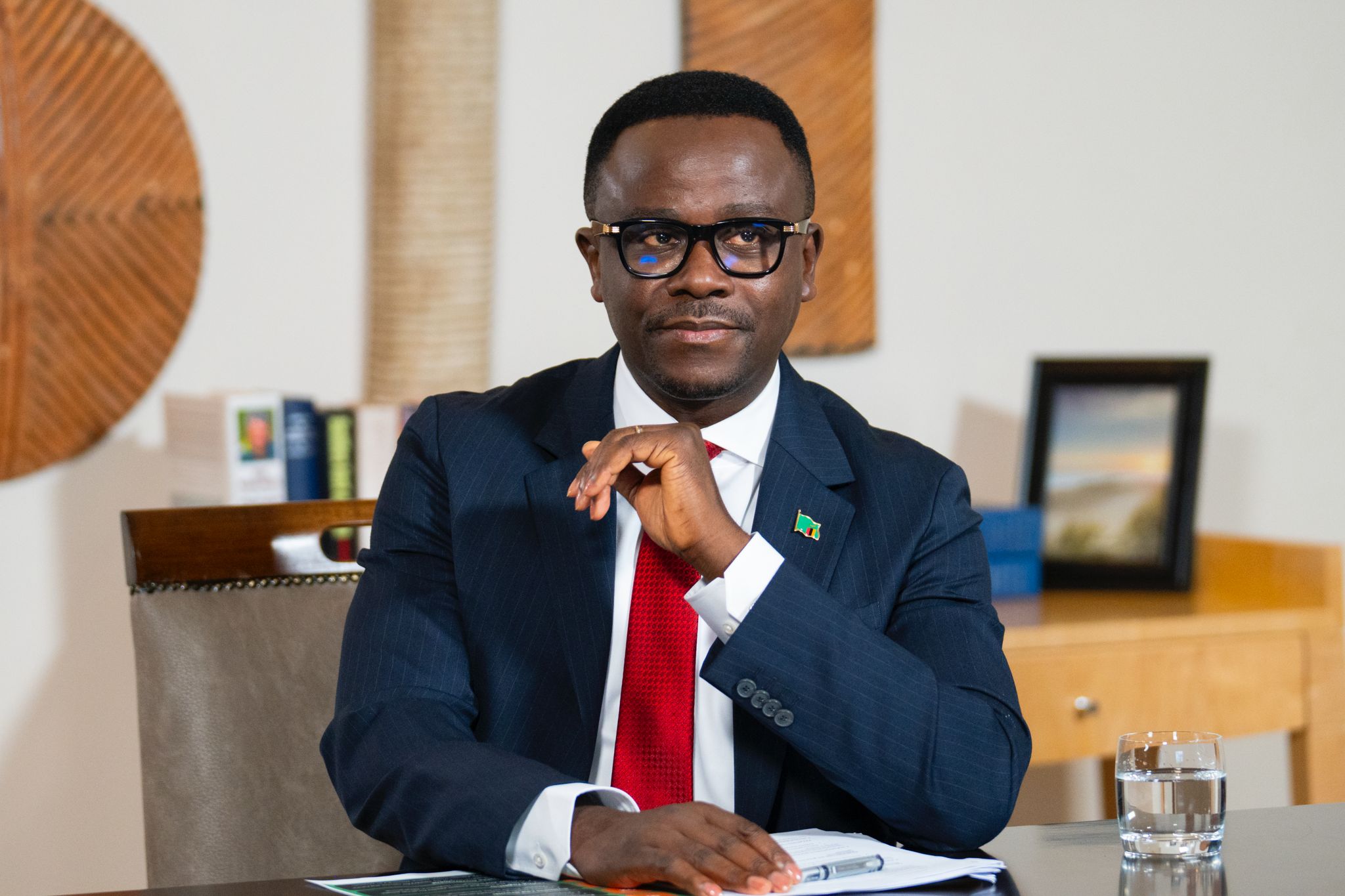
Joseph Willah Mudolo’s potential independent run adds a new layer of political uncertainty to Zambia’s August 13 election, a risk that could pressure the kwacha and dollar bonds as investors reassess the fiscal outlook.
Continue with
Joseph Willah Mudolo announced he is considering an independent candidacy for Zambia’s August 13 presidential election. Mudolo stated he is the best presidential candidate. The declaration injects a new variable into a vote that markets had largely viewed as a binary contest between incumbent Hakainde Hichilema and his main opposition challenger.
The simple market read treats Mudolo’s bid as a fringe event with negligible impact. The better read recognizes that Zambia’s fragile IMF program and ongoing debt restructuring leave little room for political disruption. Even a small independent vote share could force a runoff or delay policy continuity, outcomes that would directly affect the kwacha, Eurobonds, and Lusaka-listed equities.
Mudolo’s Independent Bid and the IMF Program
Zambia’s $1.3 billion Extended Credit Facility with the IMF requires steadfast reform implementation. President Hichilema’s administration has delivered fiscal consolidation, subsidy removal, and debt restructuring negotiations that have brought Zambia closer to resolving its defaulted Eurobonds. A change in leadership or a prolonged election dispute would threaten that momentum.
Mudolo’s entry does not need to win the presidency to matter. In a tight race, a third candidate can siphon votes from the incumbent or the main opposition, altering the first-round math. Zambia’s electoral system requires a candidate to secure more than 50% of the vote to avoid a runoff. A fragmented field raises the probability of a second round, extending the period of policy uncertainty by weeks or months. For an IMF program that depends on timely reviews and disbursements, that delay is a material risk. The IMF’s next review, scheduled for later this year, could be postponed if the election outcome is contested, delaying budget support and further debt relief.