Stocks● Neutral
Odisha Cyclone Prep Lowers Risk for Power, Infra Stocks
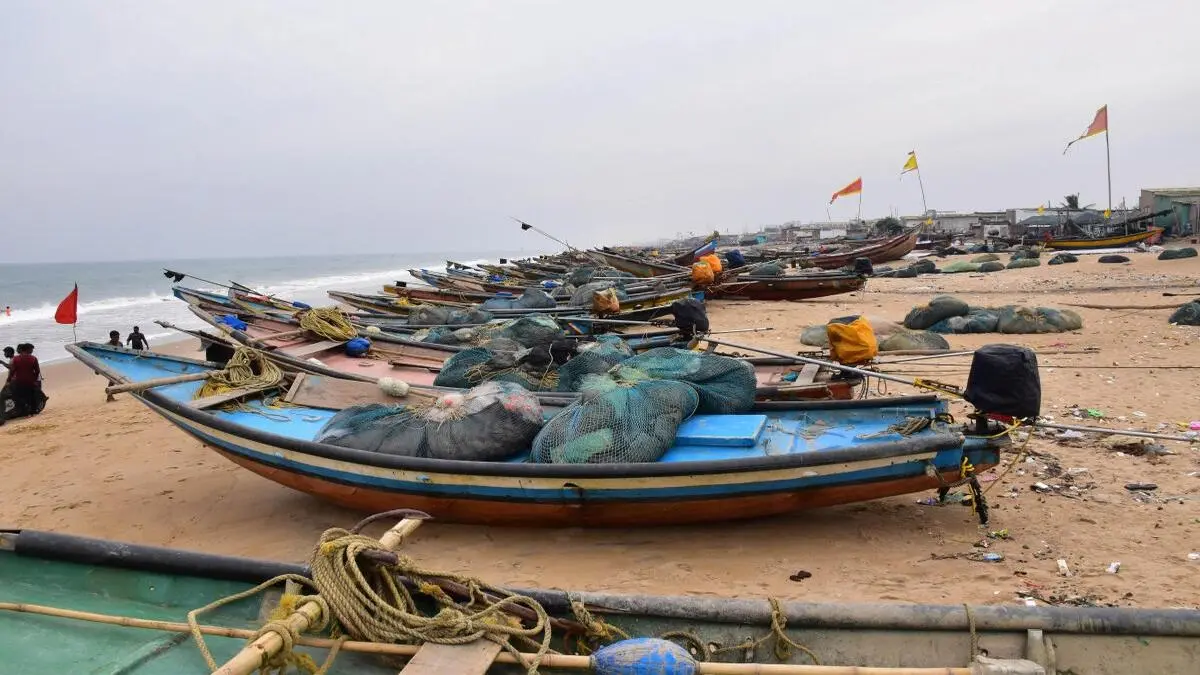
Odisha's chief secretary put 30 ODRAF teams on standby, directing all departments to prepare for cyclones. The Zero Casualty mission could limit disruption for power and infrastructure stocks exposed to the Bay of Bengal.
Continue with
Odisha’s government ordered all departments to high alert on Tuesday, activating a pre-cyclone preparedness protocol that puts 30 Odisha Disaster Rapid Action Force (ODRAF) teams on standby. For traders with exposure to Indian infrastructure, power, and insurance names, the directive signals a proactive risk management posture that could dampen the typical volatility spike associated with Bay of Bengal cyclone threats.
The move came during a high-level review chaired by Chief Secretary Anu Garg, even as the India Meteorological Department (IMD) said there is currently no cyclone forming along the state’s coast. The market read is straightforward: early government action reduces the probability of a prolonged disruption to economic activity in a state that houses significant power generation, port, and industrial assets.
Odisha Government Activates Pre-Cyclone Protocol
The Chief Secretary’s instruction was explicit: no complacency despite the IMD’s reassuring forecast. Garg stated that Odisha’s reputation in disaster preparedness must be upheld through timely action, strict adherence to protocols, and swift dissemination of information during emergencies. The directive covered reservoir management, restoration of roads and power supply, availability of safe drinking water, stockpiling of medicines, cattle feed, and essential commodities, along with emergency response arrangements.
The state government should not be complacent over the IMD’s reassuring forecast. Odisha’s reputation in disaster preparedness must be upheld through timely action, strict adherence to protocols and swift dissemination of information during emergencies.
Departments were also asked to ensure cyclone and flood shelters are ready, control rooms are activated, and Standard Operating Procedures (SoPs) are strictly followed. Special emphasis was placed on timely dissemination of cyclone warnings for fishermen and strengthening inter-departmental coordination.
The Zero Casualty Framework
Special Relief Commissioner Rajesh Prabhakar Patil reinforced the state’s commitment to the “Zero Casualty” mission, linking it to Odisha’s geographic vulnerability along the Bay of Bengal and the increasing frequency and unpredictability of cyclonic events due to changing climatic conditions. This framework, built on preparedness, coordination, and early warning dissemination, has historically reduced the human and economic toll of cyclones. From a market perspective, a credible Zero Casualty track record lowers the tail risk that gets priced into assets with concentrated exposure to the region.
Changing climatic conditions have increased the frequency and unpredictability of cyclonic events. The state’s commitment to the ‘Zero Casualty’ mission through preparedness, coordination and early warning dissemination must be maintained.
Power and Infrastructure: Reduced Outage Risk
Odisha is a major hub for thermal power generation and hosts critical transmission infrastructure. The directive to closely monitor reservoir management and power supply restoration directly addresses the two most common cyclone-related disruptions: flooding of coal mines or power plants and damage to transmission lines. When a state government pre-positions repair crews and stockpiles essential spares, the duration of any potential outage shortens. For listed power generators with plants in Odisha, that translates to lower earnings-at-risk from forced outages.
Road and Port Connectivity
The instruction to prepare for restoration of roads matters for logistics and mining companies that move coal, bauxite, and steel through Odisha’s ports. Paradip and Dhamra ports handle substantial volumes of dry bulk cargo. A rapid road restoration plan means supply chains face fewer days of disruption, protecting quarterly shipment volumes for exporters and domestic manufacturers alike. Traders tracking mid-cap logistics and mining stocks can view the preparedness stance as a mitigant to the seasonal cyclone risk premium.