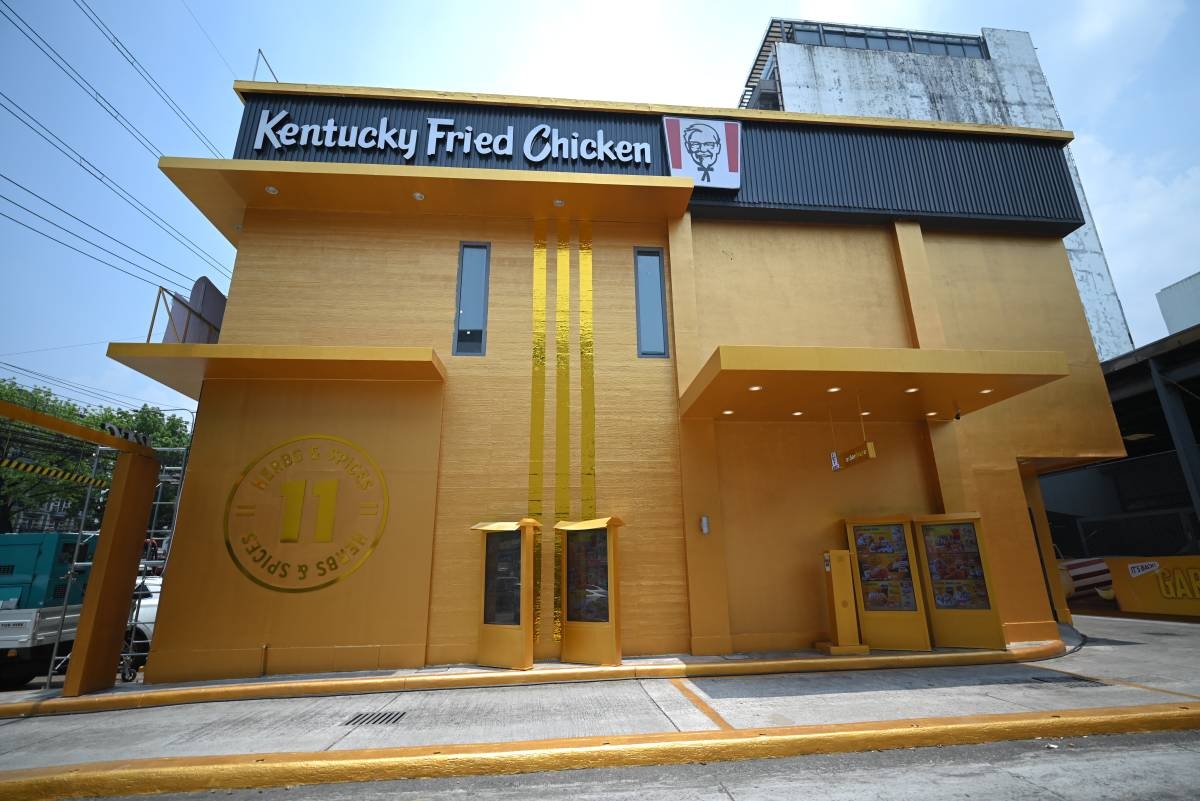
The Strategy Behind the Gold Paint
Yum! Brands (YUM) is rolling out a high-visibility marketing campaign to mark the return of its Garlic Butter Fest, physically redecorating select KFC storefronts in gold. The promotion aims to leverage brand nostalgia and sensory marketing to boost same-store sales during a period where consumer discretionary spending faces tightening pressure.
The decision to pivot toward thematic store takeovers represents a tactical shift in how the company attempts to capture market share in the quick-service restaurant space. By turning outlets into literal gold-colored landmarks, the firm is prioritizing social media engagement and local buzz over traditional digital advertising spend. This physical branding exercise is designed to create an immediate, localized spike in transaction volume.
Competitive Positioning and Consumer Spend
For investors, the underlying metric remains whether these promotional 'fests' can offset the broader industry cooling. While the promotion is designed to drive traffic, the cost associated with store-level redecoration and specialized inventory management often compresses margins in the short term. The company is betting that the volume of incremental visits will outweigh the capital expenditure of the aesthetic shift.
| Performance Metric | Expected Impact |
|---|
| Foot Traffic | High (Short-term) |
| Operating Margin | Neutral to Slight Dip |
| Brand Sentiment | Positive (Momentum) |
"Some flavors fade; others become legends," management noted, signaling a reliance on product longevity to maintain relevance against stiff competition from peers like McDonald's (MCD) and Restaurant Brands International (QSR).
Market Implications for YUM
Traders should monitor how this promotional push influences the company's quarterly average check size. If the Garlic Butter menu items drive higher-margin add-ons, the campaign could serve as a bridge to stronger earnings. However, if the gold-branding strategy fails to convert casual foot traffic into repeat customers, the expenditure may weigh on the bottom line.
Beyond the individual stock, this campaign serves as a proxy for the health of the fast-food sector. Investors often use these promotional cycles to gauge consumer sensitivity to price versus product variety. If foot traffic remains lackluster despite thematic marketing, it suggests that the broader consumer base is prioritizing essentials over discretionary dining, a trend often reflected in commodities analysis regarding agricultural inputs like cooking oils and poultry prices.
What to Watch
Watch for management commentary on the duration of the promotion. If the company extends the fest beyond the initial window, it implies that internal sales targets were exceeded. Conversely, a quick pivot away from the campaign would suggest that the cost of the gold-themed rollout did not yield the expected return on investment.
Keep an eye on the volume of social media mentions relative to historical campaign benchmarks. In the current market, the success of a restaurant promotion is often decided by its viral velocity rather than just the quality of the product. Traders should look for stability in YUM shares as the market assesses whether these tactical activations can sustain growth in an environment defined by higher operating costs.