Stocks● Neutral
Trump Escalation Threat Risks Reversing Iran Peace Rally
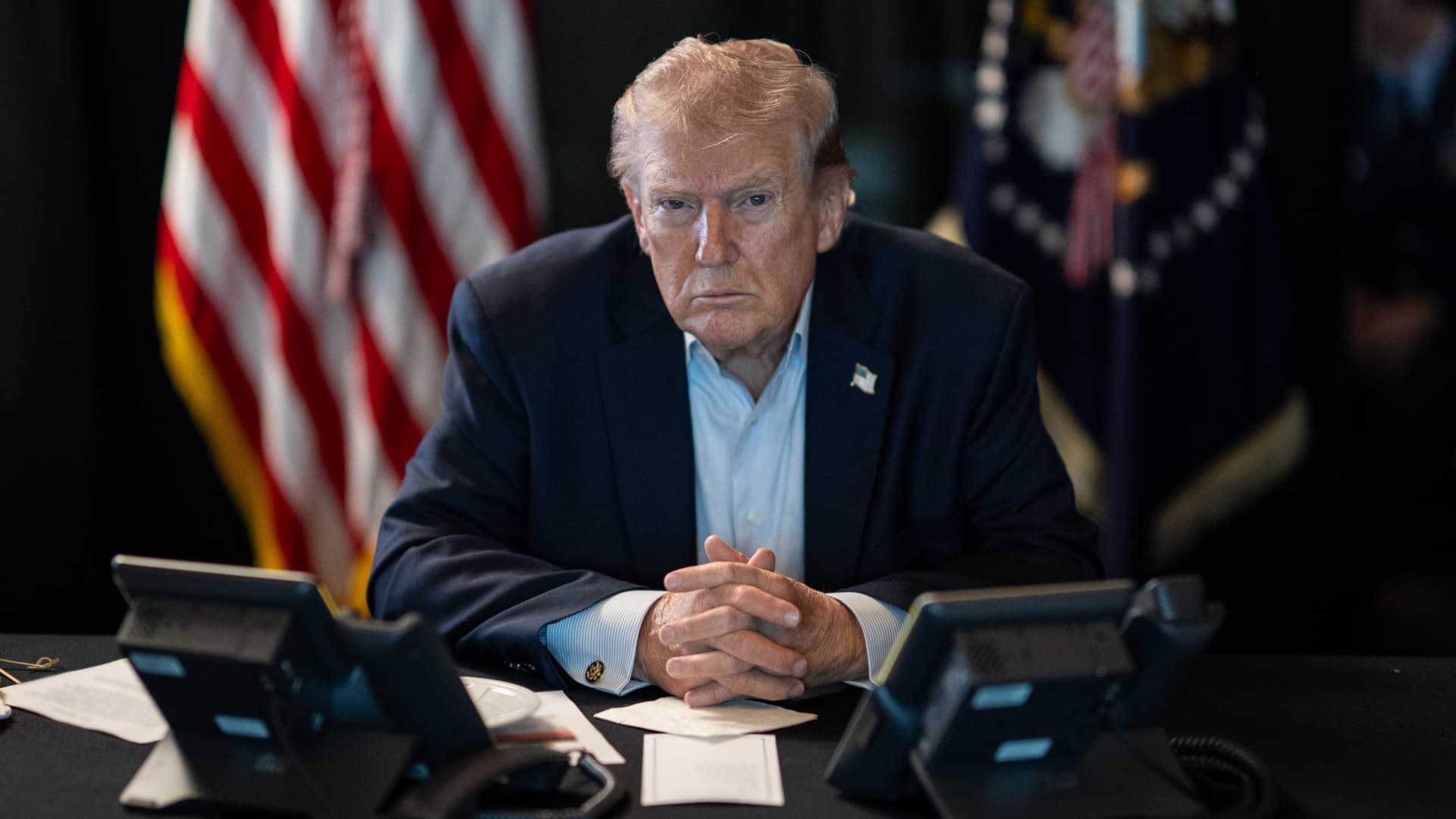
Trump's threat to escalate bombing in Iran risks reversing the recent market rally. Watch for the 48-hour deadline on the proposed peace deal to clear volatility.
Continue with
President Donald Trump’s latest statement regarding Iran has introduced a sharp pivot in market sentiment, threatening to undo the recent relief rally triggered by reports of a potential peace agreement. Following an Axios report on Wednesday that Washington and Tehran were nearing a one-page memo to end their two-month conflict, global markets had priced in a de-escalation. Equities in the U.S. and Europe rallied, while oil prices dropped sharply as investors bet on the reopening of the Strait of Hormuz.
However, the President’s subsequent post on Truth Social warned that if Iran does not agree to the proposed peace terms, the U.S. would initiate bombing at a "much higher level and intensity than it was before." This rhetoric directly challenges the optimism that had built up over the previous 48 hours, during which a spokesperson for Iran’s foreign ministry confirmed they were evaluating a 14-article peace proposal from the U.S. The proposed framework reportedly includes a moratorium on Iranian nuclear enrichment, the lifting of U.S. sanctions, and a mutual retreat from controls over ship transits in the Strait of Hormuz.
The Fragility of the Current Ceasefire
The market’s initial positive reaction was predicated on the assumption that the ceasefire in place since April 7 would hold long enough to formalize a deal. This optimism was bolstered by the President’s decision to pause "Project Freedom," a military operation designed to guide commercial vessels through the Strait of Hormuz. Yet, the operational reality on the ground remains volatile. Recent days have seen Iran attack U.S. forces assisting commercial ships, while the U.S. military reported sinking six small Iranian boats that attempted to interfere with maritime traffic. These skirmishes highlight that the diplomatic window is operating under extreme duress, with the threat of renewed kinetic conflict remaining the primary driver of volatility.