Back to Markets
Stocks● Neutral

Workplace Watchdog Ruling Shifts Cost Burden for Transport Sector

Workplace Watchdog Ruling Shifts Cost Burden for Transport Sector
COSTAONAS

The Fair Work Commission has authorized increased fuel cost payments for transport workers, a move that shifts operational risk and may impact logistics margins across the sector.

AlphaScala Research Snapshot
Live stock context for companies directly referenced in this story
Consumer Staples
Alpha Score
58
Moderate

Alpha Score of 58 reflects moderate overall profile with moderate momentum, moderate value, moderate quality, moderate sentiment.

Alpha Score
55
Moderate

Alpha Score of 55 reflects moderate overall profile with moderate momentum, moderate value, moderate quality. Based on 3 of 4 signals — score is capped at 90 until remaining data ingests.

Alpha Score
45
Weak

Alpha Score of 45 reflects weak overall profile with strong momentum, poor value, poor quality, weak sentiment.

Consumer Cyclical
Alpha Score
47
Weak

Alpha Score of 47 reflects weak overall profile with moderate momentum, poor value, moderate quality. Based on 3 of 4 signals — score is capped at 90 until remaining data ingests.

This panel uses AlphaScala-native stock data, separate from the source wire linked above.

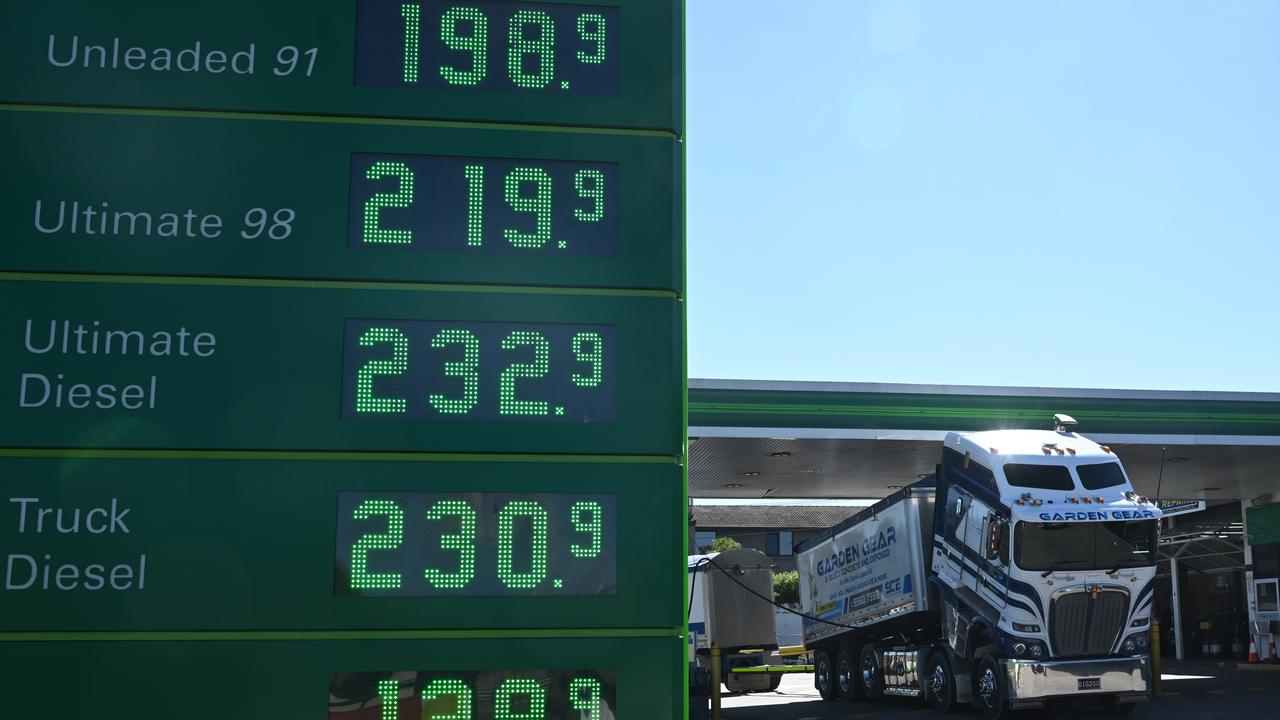
The Fair Work Commission has issued a decision that allows transport workers to receive increased payments to offset rising fuel costs. This regulatory shift addresses the financial strain placed on independent contractors and employees as fuel prices respond to geopolitical volatility. By formalizing a mechanism for fuel cost adjustments, the commission aims to stabilize the operational viability of the transport sector against external price shocks.

Operational Cost Pass-Throughs

The ruling creates a framework for transport operators to pass on fuel price increases more effectively. Historically, transport workers have absorbed the volatility of fuel markets, often leading to compressed margins during periods of supply chain instability. This decision provides a structural path for these costs to be shared or covered by the entities commissioning the transport services. The change is expected to influence how logistics contracts are structured and negotiated in the near term.

For the broader industry, this adjustment creates a new variable in operating expenses. Companies that rely heavily on third-party logistics providers will likely face higher service fees as these fuel cost protections are integrated into standard agreements. The ruling effectively shifts the risk profile of fuel price fluctuations from the individual driver to the broader supply chain participants.

Sectoral Impact and Margin Compression

This development introduces a layer of complexity for firms managing large-scale distribution networks. While the intent is to protect the livelihoods of transport workers, the resulting increase in logistics costs may force companies to re-evaluate their pricing models for end consumers. The ability to absorb or pass on these costs will depend on the competitive positioning of individual firms within the logistics and retail sectors.

AlphaScala data currently reflects a mixed outlook for various industrial and consumer-facing entities. For instance, BE stock page holds an Alpha Score of 46/100, reflecting the ongoing volatility in industrial sectors that rely on stable energy and transport inputs. Investors should monitor how these cost-sharing mechanisms impact the operating margins of major transport and retail firms in upcoming quarterly reports.

Next Steps for Logistics Contracts

The immediate focus shifts to how transport companies implement these new payment structures. The next concrete marker will be the renegotiation cycles for existing logistics contracts, where the specific formulas for fuel cost adjustments will be tested. Market participants should look for updates in corporate filings regarding revised service agreements and any commentary on the impact of these regulatory changes on long-term margin guidance. The transition to these new standards will likely be gradual, but the impact on operating cash flows will become clearer as the new fuel cost recovery mechanisms take effect across the industry. This regulatory change serves as a reminder of how geopolitical events, such as the ongoing conflict in the Middle East, continue to force structural adjustments in domestic stock market analysis.

How this story was producedLast reviewed Apr 20, 2026

AI-drafted from named sources and checked against AlphaScala publishing rules before release. Direct quotes must match source text, low-information tables are removed, and thinner or higher-risk stories can be held for manual review.

Editorial Policy·Report a correction·Risk Disclaimer