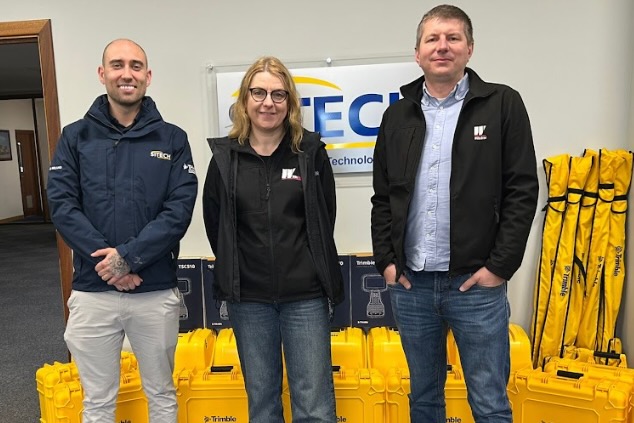
The integration of Trimble survey technology into the A9 dualling project in Scotland marks a shift in how large-scale civil engineering firms manage complex infrastructure upgrades. By utilizing equipment sourced through Sitech, Wills Bros Civil Engineering has moved to standardize its surveying processes across an 83-mile stretch of road. This deployment highlights the increasing reliance on precision geospatial tools to manage the logistical demands of converting single-carriageway roads into dual-carriageway systems.
Infrastructure Digitization and Operational Efficiency
The adoption of these tools by a major contractor indicates a broader trend toward digitizing site surveys to mitigate the risks associated with large-scale road construction. For projects of this scale, the ability to maintain high-accuracy data across varied terrain is essential for meeting safety and connectivity benchmarks. Trimble’s role in this project serves as a practical example of how hardware-software ecosystems are becoming embedded in the lifecycle of public works. This move suggests that contractors are prioritizing equipment interoperability to maintain project timelines and reduce the margin for error in site preparation.
Sector Read-Through for Precision Technology
The reliance on these technologies has implications for the broader technology sector, particularly for firms focused on industrial automation and geospatial data. As infrastructure spending remains a priority for regional governments, the demand for high-precision surveying hardware is likely to remain steady. This creates a recurring revenue opportunity for providers that can offer both the physical equipment and the necessary support infrastructure. The sector is currently navigating a period of mixed performance, as evidenced by the Alpha Score of 40/100 for TRMB and 45/100 for ON, reflecting the ongoing challenges in balancing hardware demand with broader macroeconomic pressures.
Beyond the immediate project scope, the use of these tools provides a template for future infrastructure tenders. Firms that demonstrate an ability to integrate advanced surveying technology into their workflows are better positioned to handle the technical requirements of modern road safety initiatives. This shift toward high-tech site management is not merely an operational upgrade but a strategic necessity for firms operating in competitive bidding environments. As project managers look to optimize stock market analysis and resource allocation, the focus will likely remain on vendors that can provide scalable, site-ready solutions.
The next concrete marker for this narrative will be the release of subsequent project milestones for the A9 dualling initiative. Observers should look for reports on site efficiency gains and the potential expansion of these technology suites to other segments of the project. Further integration of these tools across the wider civil engineering sector will serve as a key indicator of whether this trend represents a permanent shift in construction standards or a localized adoption for specific, high-complexity projects.