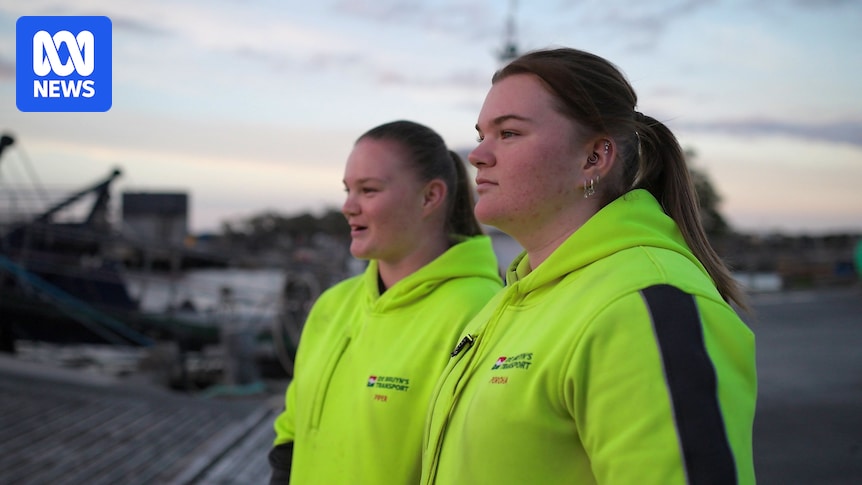
The Tasmanian salmon industry has initiated a statewide advertising campaign designed to highlight the economic contributions of its workforce. This move follows mounting public and political pressure calling for the total cessation of open-pen fish farming operations in the region. The industry is attempting to reframe the narrative by centering the personal stories of employees who rely on the sector for their livelihoods.
Operational Challenges and Environmental Scrutiny
The campaign arrives at a critical juncture for the sector. Beyond the public relations effort, the industry faces persistent questions regarding the use of specific antibiotics within public waterways. These environmental concerns have become a central pillar for groups advocating for the industry's shutdown. The shift toward a worker-focused messaging strategy suggests that producers are attempting to move the debate away from technical environmental metrics and toward the tangible socio-economic impact of the industry on local communities.
For investors and stakeholders, the core issue remains the potential for increased regulatory oversight. If the campaign fails to quell public concern, the industry may face stricter limitations on water usage or mandatory transitions to more expensive, closed-containment farming technologies. Such a shift would fundamentally alter the cost structure of the sector and could impact long-term margin stability for major producers operating in the region.
Market Context and Structural Risks
The current tension in Tasmania reflects a broader global trend where consumer-facing industries in the food and agriculture sector are increasingly forced to defend their social license to operate. As environmental, social, and governance standards tighten, companies are finding that traditional operational efficiency is no longer sufficient to maintain market support. The industry's reliance on public waterways makes it particularly vulnerable to shifts in local environmental policy.
AlphaScala data currently tracks various sectors with mixed outlooks, including Consumer Cyclical entities like AS stock page, which currently holds an Alpha Score of 47/100. While the salmon industry is distinct from broader consumer goods, the pressure to justify environmental footprints is a shared challenge across the Consumer Cyclical and Industrial sectors. Investors should monitor how these firms manage their capital preservation as a structural constraint in modern portfolio management while navigating these public relations and regulatory hurdles.
The Path Toward Regulatory Resolution
The next concrete marker for this narrative will be the response from regional regulators regarding the ongoing antibiotic usage inquiries. Any formal move to restrict chemical applications or mandate infrastructure changes will serve as a definitive signal of the industry's future viability. Stakeholders should look for upcoming legislative filings or environmental audit results that could force a change in farming practices. Until these regulatory parameters are clarified, the industry's ability to maintain its current operational footprint remains the primary variable for valuation models in the region.