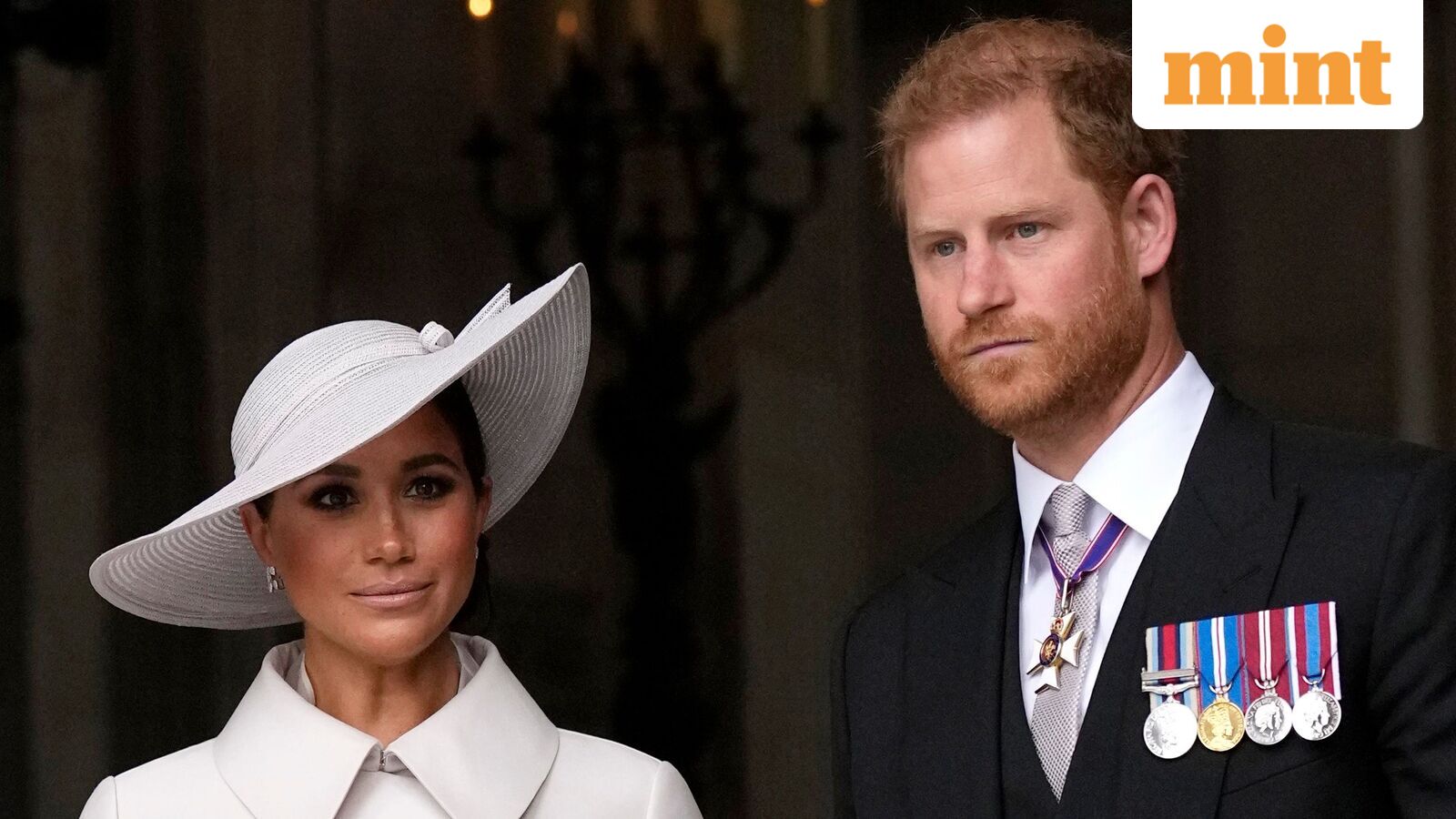
Prince Harry and Meghan Markle on Thursday accused Elon Musk and major technology companies of blocking safeguards against AI-generated deepfakes used to target women and children. In a statement released through their office, the couple praised a new Minnesota law banning AI nudification apps while criticizing X Corp for suing to block it. The statement cited multiple lawsuits alleging that Musk's Grok AI system generated sexually explicit material involving a UK lawmaker and an Arkansas family. Five children from Tennessee also filed suit the same week.
The Minnesota law, passed unanimously by the state Senate in a 65-0 vote, makes it illegal to generate or distribute non-consensual explicit imagery using artificial intelligence. The statement cited United Nations data showing that 90-95% of online deepfakes are non-consensual pornographic images and that deepfake video production surged 550% between 2019 and 2023. The vast majority of deepfake videos online are pornographic, the data showed.
"Can we all agree technology should not enable predators to target children?" the statement began. The Duke and Duchess argued the figures demonstrate an urgent need for government regulation.
The statement did not name Musk directly but referred to the "trillionaire leader of the tech company responsible for X's Grok," criticizing the firm for suing Minnesota to block the law before it took effect. "The company is mitigating risk to their bottom line instead of aggressively responding to the clear evidence their product features are enabling predators to prey on women and children," the statement said.
The Legal and Regulatory Path
The couple also welcomed the federal Take It Down Act, which criminalizes non-consensual sharing of intimate images and AI deepfakes while requiring platforms to remove such content. That bill has become law.
The Defiance Act, which would allow survivors of non-consensual AI deepfakes to sue in civil court, has passed the Senate twice without a House vote. The statement questioned the delay, suggesting lobbying by technology companies is slowing action. "Big Tech companies are raising billions claiming AI will bring society forward, yet they retaliate against basic safety measures to keep children safe," the statement said.
The Duke and Duchess ended with a direct challenge: "Can AI make our world better while it enables the worst in humans? Should our children pay the price while we wait to find out?"
Tesla's Stake in the Fight
Tesla investors face indirect risk from the legal and regulatory actions targeting Musk's other companies. Musk is Tesla's CEO and most visible figurehead. Lawsuits against X or xAI, which develops Grok, create legal and reputational overhang that can spill over to Tesla through Musk's leadership. Investors have already priced in regulatory risk around autonomous driving and factory safety. AI-generated content regulation adds a new front.
The Minnesota lawsuit tests whether courts will shield AI platforms from content liability. A ruling against X or Grok could set a precedent that ripples across the AI sector, hitting companies like Meta Platforms and Alphabet that also invest heavily in generative image models. Some investors said the legal overhang could weigh on Tesla if courts rule against X or Grok, though the stock has not yet reacted to the statement.
What would reduce the risk: Musk publicly commits to filtering mechanisms or age-verification for Grok. X drops the Minnesota lawsuit. The Defiance Act passes the House. Technology companies introduce voluntary safeguards that align with the Take It Down Act's requirements.
What would make it worse: Additional states pass similar laws – New York, California and Texas have introduced bills – creating a patchwork of compliance costs. More plaintiffs join class-action lawsuits. Federal lawmakers use the couple's statement as momentum to hold hearings or issue subpoenas.
The next concrete marker is the Minnesota court's decision on the preliminary injunction sought by X. A hearing is expected within 90 days. Traders and investors are watching for any settlement or statement from the company before that date.