Coinbase launches 1:1 tokenized stocks on Base for non-U.S. investors
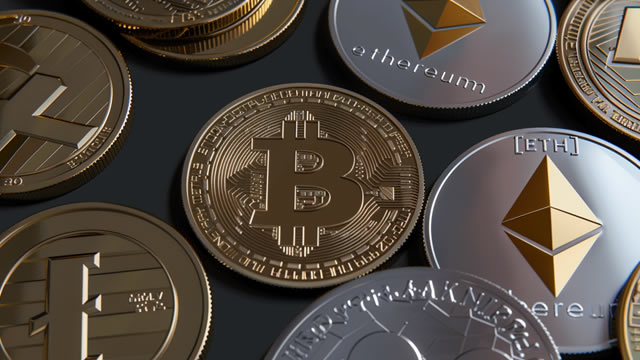
Coinbase launched 1:1 backed tokenized Apple, NVIDIA, Meta, and Alphabet stocks on Base. Non-U.S. investors can trade 24/7, but face redemption delays, withholding tax, and SIPC uncertainty.
Coinbase has put four 1:1-backed U.S. stock tokens on its Ethereum layer-2 network Base, opening round-the-clock trading for eligible investors outside the United States. The initial batch covers Apple, NVIDIA, Meta and Alphabet.
Base announced the launch Aug. 25, moving a product previously offered by the exchange into an open onchain environment. Each token uses the B20 standard and represents a beneficial interest in an underlying share, not a synthetic contract that only tracks the price.
NVIDIA, one of the underlying stocks, trades at $208.46 with a 2.92% decline today and carries an Alpha Score of 68. Its stock page is NVDA stock page. Alphabet, also included, has an Alpha Score of 72 and is up 0.94% at $348.06. Its stock page is GOOGL stock page.
The issuer is Coinbase Onchain SPV Ltd., a company incorporated in the Abu Dhabi Global Market and controlled by Coinbase. The Financial Services Regulatory Authority approved the prospectus Aug. 4 under ADGM rules, according to the filing.
Alpaca Securities, an SEC-registered broker-dealer and FINRA and SIPC member, acts as broker and custodian. It buys, sells and holds the actual equities. Deposited shares sit in trust for tokenholders. The prospectus says that if the special-purpose company goes bankrupt, the assets would not become part of its property, assuming the trust arrangements hold under ADGM law.
Holders get economic exposure to the listed companies but not direct registration as legal owners. They do not automatically receive voting rights. Verified holders can send voting instructions to the issuer, which may try to vote the custodied shares on their behalf, subject to law, timing and practical limits.
Dividends are not paid out as cash. The issuer generally reinvests distributions into additional shares, increasing the underlying equity per token through an adjusted deposit ratio. Before reinvestment, a 30% U.S. withholding tax applies unless a tax treaty lowers it. The issuer also takes a 5% distribution fee from the gross value. Corporate actions and other costs can shift the deposit ratio over time.
Trading runs outside regular U.S. exchange hours, including weekends and holidays. Traditional shares on Nasdaq or the NYSE still trade in their own sessions, so prices on Base could move when the primary market is closed.
Base listed Aerodrome for tokenized-stock liquidity. Aave, Morpho and Euler provide or plan lending and borrowing functions. Other integrations include 0x, 1inch, KyberSwap and CoW Swap for exchanges, Chainlink for price data, and LI.FI and Jumper for cross-chain transfers. A holder could trade a stock token on a decentralized exchange and later use it as collateral in a lending market.
Redemption is available for verified holders. They can request the underlying stock, U.S. dollars or an accepted stablecoin such as USDC. A 0.05% fee applies. The issuer, broker and custodian run identity, anti-money laundering, sanctions and jurisdiction checks before processing. The prospectus warns that compliance reviews, settlement procedures and market transactions can delay payment, and the price after a sale may differ from the value at order submission.
Users who acquire tokens through unregulated DeFi markets may stay “unvested” until they satisfy compliance requirements. Unvested holders cannot redeem, receive shares or vote.
Coinbase offers the products under Regulation S, an SEC exemption for securities sold outside the United States. The tokens are not available to U.S. persons. The securities have not been registered under the Securities Act of 1933 or with any U.S. state regulator. American customers can use Coinbase Capital Markets for conventional stocks and ETFs through a separate FINRA-member broker, with Apex Clearing handling execution, clearing and custody.
Competition outside the U.S. is growing. Token Terminal tracked total tokenized-stock value near $2.7 billion in August. Ondo Finance leads issuers. Binance bStocks and xStocks each hold more than $600 million. A July volume analysis showed tokenized stock trading rose 288% during the month, though a tokenized QQQ product accounted for most decentralized secondary-market activity.
Base said more tickers will follow over the coming weeks, subject to regulatory approval. New listings would use the same B20 framework, letting integrated apps support subsequent assets without building separate systems.
The prospectus warns that holders may lose their entire investment and that token prices can diverge from underlying shares because of liquidity, market closures or disruptions. SIPC rules do not directly address the custody structure, leaving uncertainty over whether protection in an Alpaca insolvency would apply separately to each holder or only at the issuer level.
The launch follows Coinbase’s June rollout of tokenized exposure tied to NVIDIA, Alphabet, Strategy, BitMine and SpaceX. In July, crypto.news reported Base’s preparations after network founder Jesse Pollak acknowledged Robinhood had moved first. “We’ve been behind on this on Base and I’m frustrated that’s the case,” Pollak said at the time, adding that the companies were close to introducing 1:1-backed equities.
For context on the broader tokenized-equities market, see Bybit Adds Meta, Tesla xStocks as Tokenized Equities Hit $1.48B.
Coinbase’s prospectus also notes that SIPC rules do not directly address the custody structure, leaving uncertainty over whether protection in an Alpaca insolvency would apply separately to each holder or only at the issuer level.
Drafted by a large language model from the source reporting linked above, then screened by automated publishing checks. It is not read by a journalist before publication. Some articles cite our Alpha Score. Verify prices and figures against the original source. Educational coverage, not personalized advice.