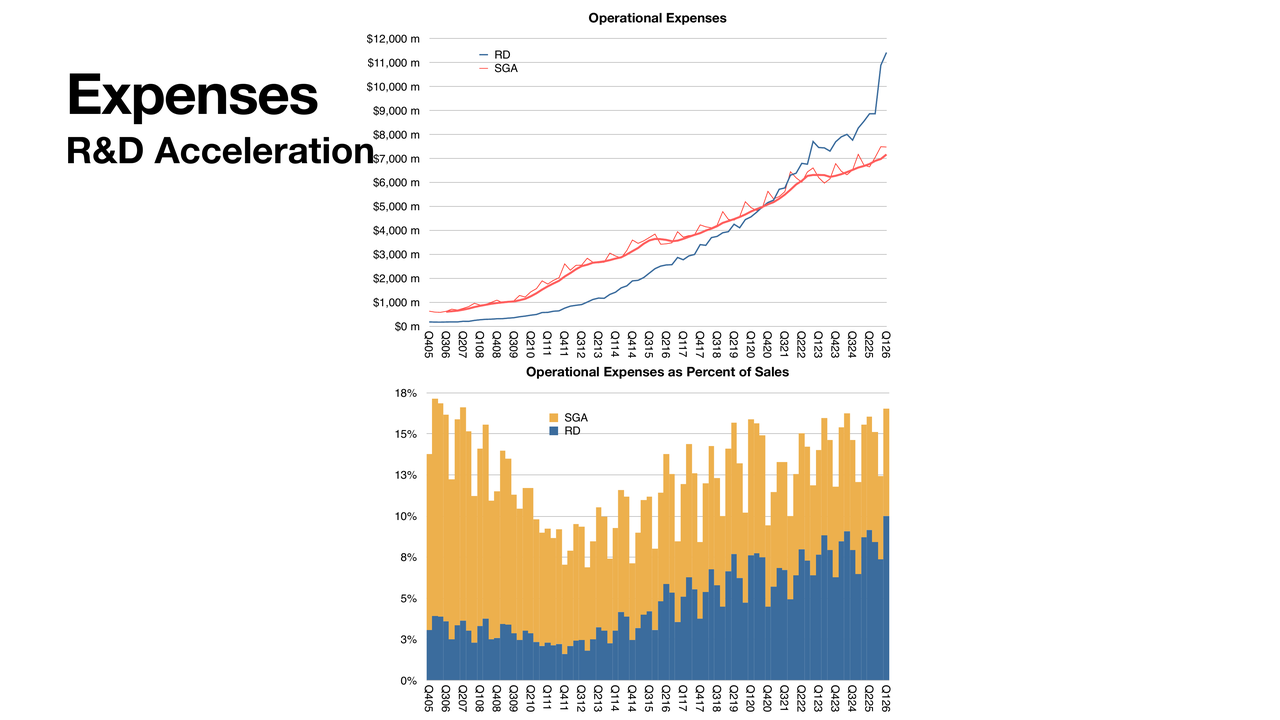
Apple’s strategic refusal to pivot toward a centralized cloud-computing model is not a failure of ambition, but a deliberate architectural choice rooted in its identity as a consumer-first hardware firm. While competitors like Microsoft and Google lean into massive, centralized data centers to power large language models, Apple is doubling down on the "personal" in personal computing. The company’s trajectory, driven by the efficiency of Apple Silicon and unified memory architectures, suggests a future where high-end AI workloads are processed locally on the device rather than offloaded to a server farm.
The Shift from Centralized to Personal AI
The prevailing market narrative assumes that AI dominance requires massive, centralized compute power. This view, dominated by the growth of cloud-service providers, treats AI as a utility to be accessed via the internet. However, Apple’s hardware roadmap indicates a different path. By optimizing for high-bandwidth, large-matrix computations directly on the silicon within Mac minis, laptops, and phones, Apple is effectively moving the "cloud" to the edge. This strategy mirrors the historical transition from IBM’s centralized mainframes to the decentralized desktop era.
For investors, the distinction is critical. Companies like Microsoft, which currently command significant cloud revenue, are tethered to the economics of massive, shared infrastructure. Apple, conversely, is building a moat around the individual user’s data. If the future of AI involves personal models—systems that understand a user's specific context, photos, and communication patterns—the privacy and latency advantages of local processing become a competitive barrier that cloud-based models cannot easily replicate. You can find more context on the broader stock market analysis to see how this hardware-first approach contrasts with pure-play software competitors.
Hardware Scale as a Competitive Moat
Apple’s ability to execute this strategy relies on its sheer volume of hardware distribution. While specialized AI-focused hardware firms like NVIDIA produce tens of millions of units annually, Apple ships hundreds of millions of devices. This scale allows Apple to amortize the cost of custom silicon development across a massive install base, effectively democratizing high-end compute power.
This is not a B2B play. Apple’s lack of interest in competing with AWS or Azure is consistent with its history of abandoning server products. Instead, the company is positioning its hardware as the primary interface for AI interaction. When computation commoditizes and algorithms are replicated—as seen with the rapid adoption of transformer architectures—the value shifts to the hardware that can run those models most efficiently for the end user. For those tracking the Apple (AAPL) profile, the focus should remain on the integration of neural engines within the M-series chips rather than data center expansion.
The Limits of the Cloud Narrative
The current enthusiasm for AI-driven cloud revenue often obscures the fact that most cloud utility remains focused on storage, search, and communication. While centralized models serve as excellent reference points for global knowledge, they are poorly suited for the nuanced, private tasks that define a user’s daily life. Apple’s bet is that consumers will prefer a blend of local and cloud processing, where the most sensitive data remains indexed on the device.
This creates a structural ceiling for the cloud-only thesis. If the majority of data that matters to a consumer is processed locally, the demand for massive, centralized compute cycles for personal tasks may be lower than current market valuations imply. The risk for Apple is that it fails to maintain the performance gap required to keep these workloads local. However, the current trajectory of Apple Silicon suggests that the company is comfortable sacrificing the server-side market to dominate the edge.
Valuation and Execution Risks
Investors must weigh the potential for a shift in AI utility against the current market dominance of cloud-based incumbents. If the industry moves toward a world where personal models become the standard, Apple’s hardware-centric approach provides a distinct advantage in both privacy and user experience. If, however, the industry demands ever-larger, world-spanning models that exceed the physical limits of mobile silicon, Apple may find itself forced into a defensive position.
For now, the company is betting that the "personal" in personal computing remains the most valuable real estate in technology. By keeping the compute local, Apple avoids the margin compression associated with maintaining massive server infrastructure while simultaneously deepening its integration into the user's digital life. The success of this strategy will be confirmed by the continued adoption of on-device AI features that outperform cloud-based alternatives in speed and privacy, rather than by the company’s ability to sell cloud capacity to enterprise clients. While firms like NVIDIA profile continue to dominate the infrastructure layer, Apple’s focus remains firmly on the terminal, ensuring that the next generation of AI is something users own, rather than something they rent.