Stocks● Neutral
Why AI Makes Traditional Hiring Signals Obsolete for Founders
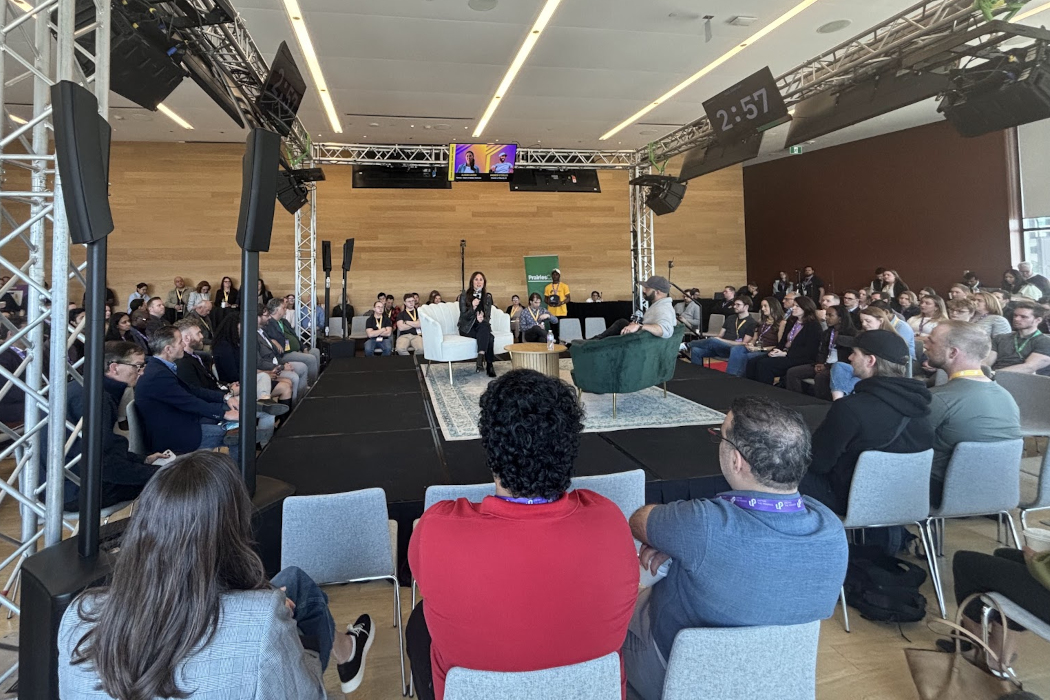
Alison Kaizer of Golden Ventures argues that AI has rendered traditional resumes less reliable, urging founders to prioritize learning aptitude over history.
Continue with
In the current venture landscape, the traditional resume has become an increasingly unreliable indicator of future performance. Alison Kaizer, a partner in talent at Golden Ventures, argued at the Uniting the Prairies 2026 conference that the rapid adoption of AI has fundamentally altered the signals founders should prioritize when building early-stage teams. For investors and founders navigating the stock market analysis landscape, this shift represents a move away from historical experience toward a focus on learning aptitude and adaptive problem-solving.
The Erosion of Historical Hiring Signals
Kaizer noted that for technical roles, past experience can occasionally act as a barrier to innovation. Candidates who are deeply entrenched in legacy playbooks often struggle to unlearn established workflows in favor of AI-driven methodologies. When experience becomes a liability, the primary hiring metric must pivot to curiosity and the ability to navigate ambiguity. Founders who rely on standard interview questions are likely missing the most critical data points regarding a candidate's potential to scale alongside a company.
To counter this, Kaizer advocates for practical, real-world assessment over traditional Q&A sessions. She suggests that founders should provide candidates with unfamiliar AI tools to observe their immediate problem-solving process. This approach forces a candidate to demonstrate their ability to maneuver through new systems, providing a clearer picture of their adaptability than any list of previous job titles ever could. The goal is to identify individuals who view AI as a foundational tool rather than an optional add-on.
Building Internal Talent Engines
For early-stage companies, the temptation to outsource recruitment is high, but Kaizer warns that talent acquisition is a core competency that founders must own. While she has facilitated over 1,000 introductions across Golden Ventures' portfolio of more than 80 companies, her objective is not to serve as a permanent staffing solution. Instead, she uses her position to help founders calibrate their expectations by introducing them to high-caliber candidates early in the process. This allows founders to understand what "great" looks like before they are under the pressure of an immediate hiring need.