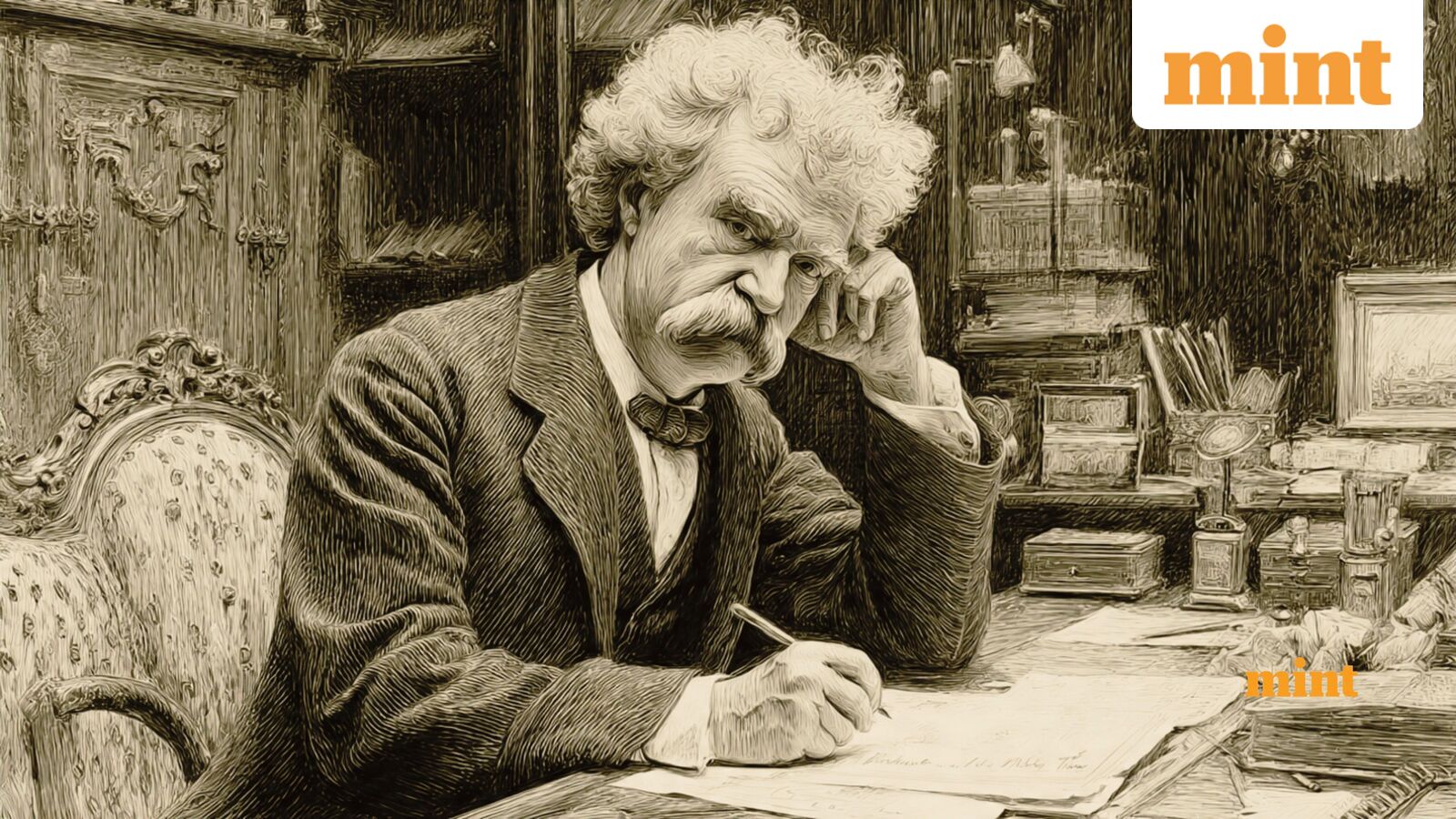
A passage often attributed to Mark Twain warns that people regret the things they did not do more than the ones they did. Scholars have found no evidence Twain wrote it. The words first appeared in H. Jackson Brown Jr.’s 1990 book “P.S. I Love You,” credited to his mother, Sarah Frances Brown.
The misattribution matters for investors. The quote’s emotional force can reinforce a bias that leads to poor decisions.
Consider the choice facing someone in 2004 who looked at Apple’s stock after the iPod launch. The company had just reported a 12% sales decline in its most recent quarter. The risk of buying seemed high. The risk of not buying was invisible. An investor who stayed out watched a $10,000 stake grow to roughly $2 million over two decades, dividends included.
That gap between visible downside and invisible opportunity is exactly what the passage addresses. It urges action over caution.
APPLIED TO RISK MANAGEMENT
For traders, the quote offers a useful stress test for any decision. Project yourself 20 years forward and ask which outcome you would regret more. The answer often reveals whether the current hesitation comes from reasoned caution or fear.
A structured approach can help. Write down for each trade or holding what you would tell your future self if you did nothing. Then write what you would say if you took the action and it failed. The comparison forces the invisible regret into the open.
Traders who suffer from regret aversion tend to hold losing positions too long and avoid cutting winners too soon. The bias distorts exits and entries. Being aware of the pattern is the first defense.
WHAT WOULD REDUCE THE RISK
The risk of letting regret-aversion drive decisions drops when an investor has a written plan with specific entry and exit rules. Backtesting helps separate evidence from emotion. A daily review of decisions against the plan reinforces discipline.
WHAT WOULD MAKE IT WORSE
Relying on inspirational quotes without context amplifies the bias. A passage that encourages action can justify reckless bets when market conditions do not support them. The same quote that pushes someone to buy a falling stock can also stop them from cutting a loss, because selling feels like admitting failure.
The attribution uncertainty adds another layer. A quote falsely pinned on a famous name carries authority it does not deserve. It becomes harder to question.
The best use of the passage may be as a prompt to examine each decision on its own terms. The idea that inaction carries a hidden cost is worth remembering.
The next time a trade feels risky, run the 20-year test. The answer will not guarantee success. It will, at least, surface the regret you would otherwise only feel later.