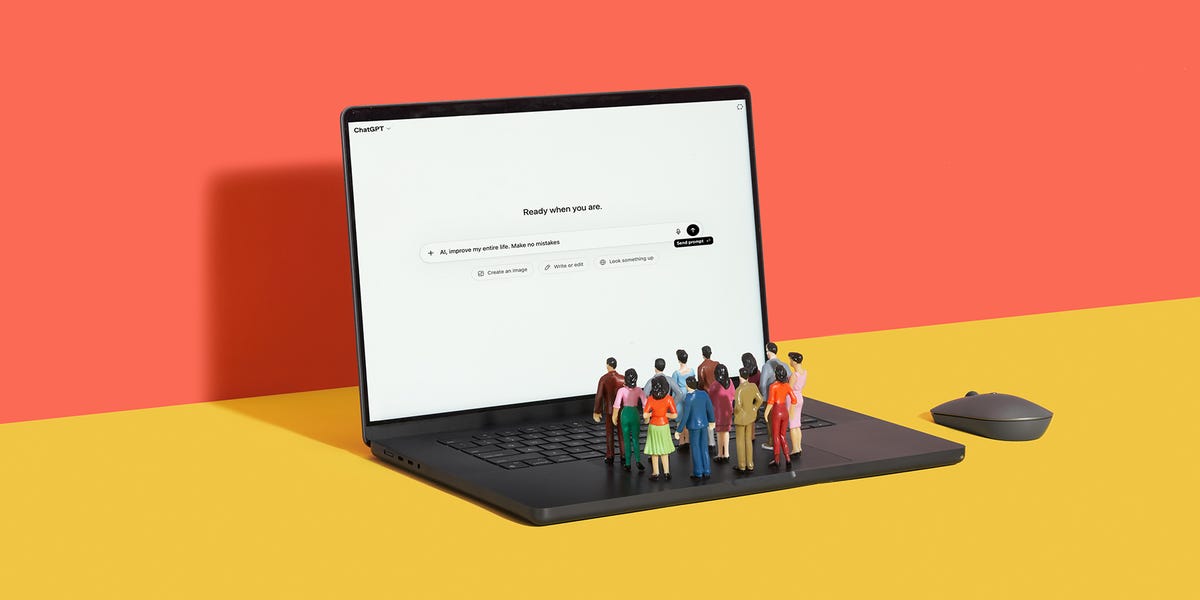
A growing group of non-coders is using generative AI to automate small frustrations: renaming files, organizing folders, pulling calendar data into spreadsheets. The community calls it vibe coding. The movement is not about building apps. It is about removing daily friction with a single prompt. For Apple, this shift aligns directly with the company's strategy of embedding AI into everyday workflows through Apple Intelligence.
What Changed for the Vibe Coding Movement
The typical vibe coder opens ChatGPT on a phone or laptop and asks for a script. The result is a functional Python or AppleScript that saves 30 seconds per task. These are low-stakes, high-frequency jobs. The barrier to entry is zero: no terminal, no compiler, no IDE. The latest wave of large language models makes the output reliable enough for personal use. That reliability is the catalyst. More non-coders now trust AI to write executable code, which increases the number of tasks they delegate to automation.
Why Apple's On-Device AI Fits the Trend
Apple’s integration of ChatGPT into Siri and system-level tools, announced at WWDC 2024, gives iPhone and Mac users a frictionless path to vibe coding. A user can ask Siri to write a script that organizes downloads and receive a working file without leaving the OS. Apple Intelligence processes many requests on-device, reducing latency and keeping data local. That privacy advantage matters for tasks involving personal files or calendars. Rival cloud-based assistants require internet access and raise trust questions.
Each successful shortcut builds user confidence. The network effect is clear: deeper AI adoption across Apple’s install base increases the likelihood that a user stays inside the ecosystem. The shortcuts and automations a user builds are often tied to Apple’s native file systems and APIs. That creates a switching cost. A move to Android or Windows would mean rebuilding those workflows from scratch.
The Harder Read: Services Revenue and Replacement Cycles
Vibe coding does not appear as a line item in Apple’s earnings. However (mid-sentence), it drives two measurable outcomes. First, it increases services engagement. Users who automate tasks spend more time inside Apple’s ecosystem – checking iCloud storage, syncing to Apple Music, and using App Store subscriptions. Higher engagement lifts attach rates for iCloud+ and other services. Second, it creates a hardware pull. Vibe coding workloads, especially real-time code execution and local model inference, demand CPU and Neural Engine performance. Each new generation of A-series and M-series chips closes the gap with cloud-based models. Power users who rely on on-device AI will want the latest silicon. That dynamic supports a replacement cycle argument that is independent of smartphone feature fatigue.
Next Decision Point for AAPL Investors
Apple trades at about 30x forward earnings, a premium that reflects its installed base and recurring revenue. The vibe coding trend is not priced into consensus estimates for fiscal 2025, which focus on iPhone 16 replacement rates and China headwinds. If Apple Intelligence drives a visible uptick in services average revenue per user (ARPU) by the next earnings call in April, the stock could see multiple expansion.
For investors tracking this catalyst, the signals to watch are: (1) the share of iCloud+ subscribers who use Apple Intelligence features, (2) third-party developer mentions of automation-focused apps on the App Store, and (3) any commentary from Apple’s management on on-device AI usage during the April earnings call. If those metrics accelerate, the vibe coding narrative shifts from a curiosity to a structural growth driver for Apple. The decision point is not whether vibe coding exists. It is whether the market starts pricing in its second-order effects on services and hardware.
Apple (AAPL) profile
stock market analysis