Beef Drives 41% of Global Deforestation, Study Finds
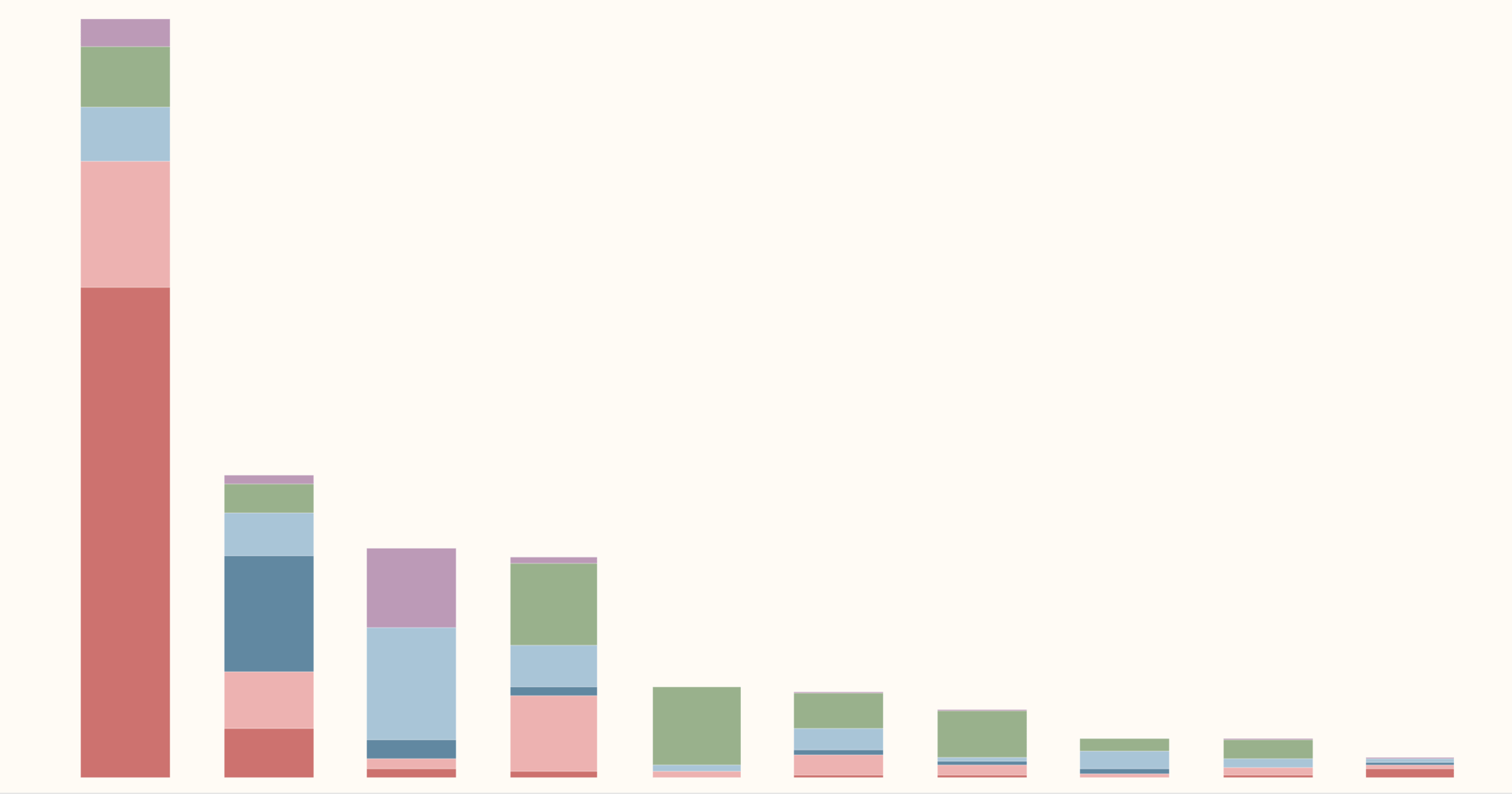
A new study pinpoints the commodities responsible for forest loss since 2000, with beef leading. Palm oil deforestation has fallen sharply after corporate and government action. Unilever is among the companies that adopted no-deforestation policies.
The world lost about 5.6 million hectares of forest a year to agriculture and plantations between 2001 and 2023, an area the size of Costa Rica annually. A study published in Nature Food by Chandrakant Singh and Martin Persson traced that clearing to specific commodities.
Beef accounted for 41% of all commodity-driven deforestation, the study found. Cattle need large grazing areas, and rising demand for beef pushed pasture into standing forest. The cumulative loss from beef alone this century exceeds two UK-sized areas of forest, the researchers calculated.
Oilseeds ranked second. The category is dominated by soy and palm oil plantations, and most of its losses came in the first decade of the period. The study showed deforestation rates for those crops have fallen over the past ten years. Forest plantations and cereal production each contributed 12% of the total.
The clearance is geographically concentrated. More than half of the forest lost to cattle pasture was in Brazil, and Brazilian beef production alone accounts for one-quarter of all deforestation this century, the study found. Most other pasture expansion happened in Brazil's neighbors across Latin America. The pattern puts the world's largest single driver of forest loss in two of its most biodiverse ecosystems: the Amazon rainforest and the Cerrado savanna.
Oilseed clearance is even more tightly fixed. Nearly all global palm oil demand is met by plantations in Indonesia and Malaysia. Indonesian palm oil production alone caused 6% of global deforestation, the study found. Forest plantations were a large driver in parts of North America and Asia, led by the United States, Canada, and China.
For most other products, Africa is where the forest went. Staple crops including cereals and tubers, and cash crops such as fruits, nuts, coffee, and cocoa, all show their largest deforestation footprints on the continent. Singh and Persson trace the pattern to weak crop yields. Sub-Saharan Africa produces far less food per hectare than other regions, so growth in output has come from clearing more land rather than farming existing land more productively. The cost has fallen on forests, and the authors argue that closing the yield gap is central to food security and poverty reduction as well as to preserving natural habitats.
The scale of loss remains enormous. The same data also records a major reversal. Deforestation for oil palm plantations climbed through the 2000s and early 2010s, then fell substantially over the past decade. The turnaround shows that a major commodity's forest footprint can be reversed, the researchers wrote.
Corporate purchasing rules drove part of the shift. Food companies including Unilever and Nestlé adopted "No Deforestation, No Peat, No Exploitation" policies, pledging not to buy palm oil from producers that clear forests for new plantations. Certification through the Roundtable on Sustainable Palm Oil expanded during the same period, giving buyers a deforestation-free option. NGO campaigns helped push the commitments along.
Unilever was among the companies that signed on. Its stock carries an Alpha Score of 57 (Moderate) on AlphaScala, tracked on the UL stock page.
Governments moved as well. Indonesia launched a moratorium on new oil palm plantation permits in 2018. Malaysia capped the land that could be allocated to plantations, forcing higher output to come from productivity gains rather than new clearing. The study credits the combination of government action and corporate commitments, underpinned by public pressure, with the reduction in palm oil deforestation.
Drafted by a large language model from the source reporting linked above, then screened by automated publishing checks. It is not read by a journalist before publication. Some articles cite our Alpha Score. Verify prices and figures against the original source. Educational coverage, not personalized advice.