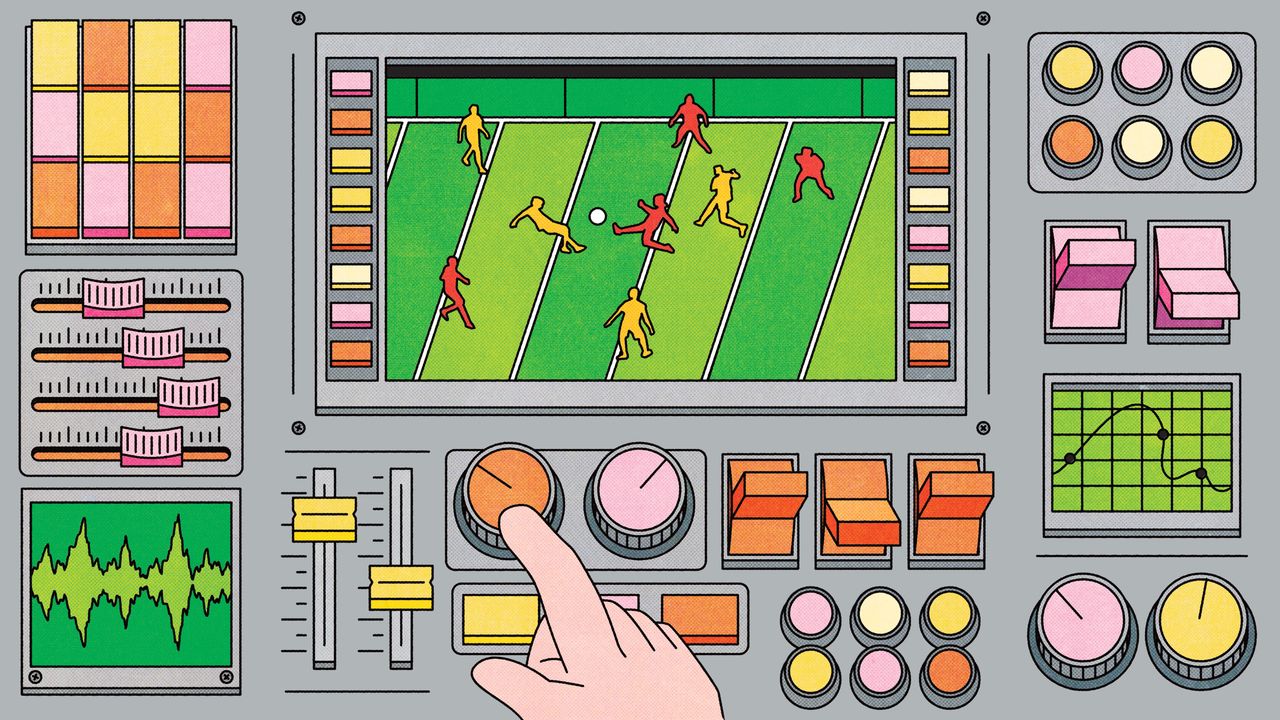
The Video Assistant Referee system at the 2026 World Cup has drawn unusually sharp criticism from fans and players. The complaints center on hidden decision-makers, inconsistent application, and a sense that the technology serves power rather than fairness. Apple, which has invested heavily in sports streaming rights and AI-driven analysis tools, faces a risk that the same public skepticism could spill over to its own automated systems.
FIFA's use of VAR relies on a centralized team of officials who review footage and communicate rulings to on-field referees. The process has been criticized for lacking transparency. One fan at the U.S.-Egypt match said the stadium withheld replay footage, leaving the crowd in the dark. That pattern of obscuring the machine's reasoning could erode trust in any technology that claims to deliver objective truth.
Apple's sports strategy includes live broadcasts on Apple TV+ and partnerships with Major League Soccer and other leagues. The company also markets its AI-powered video analysis tools to coaches and broadcasters. If the public mood around automated officiating turns hostile, leagues may become more cautious about adopting Apple's systems. A single high-profile controversy could slow adoption.
The World Cup VAR experience also highlights a broader tension. Tennis and baseball have largely automated line calls with Hawk-Eye and the Automated Ball-Strike Challenge System. Those systems are accepted because they handle low-stakes, binary decisions. Soccer's VAR, by contrast, deals with high-stakes judgment calls like offside margins and foul severity. That distinction matters for Apple's product roadmap. The company's AI tools claim to detect patterns and predict outcomes, they cannot yet handle the subjective calls that define a sport.
FIFA President Gianni Infantino awarded Apple a streaming partnership in 2023. The deal gave Apple exclusive rights to the 2025 Club World Cup. Any backlash that tarred VAR as a tool of the establishment could indirectly affect Apple's brand. The company has positioned itself as a neutral technology provider, the World Cup has shown that neutrality is hard to maintain when the machine's decisions are seen as political.
A second risk is regulatory. The European Union's Digital Services Act and similar laws in the U.S. are pushing for algorithmic transparency. If VAR's opaque decision-making becomes a symbol of unaccountable automation, lawmakers may demand stricter rules for all AI systems used in public settings. Apple's sports analytics would face additional compliance costs.
The immediate catalyst is the World Cup's knockout stage, where VAR decisions are likely to be decisive. A controversial call in a high-profile match could reignite public debate. Apple has not commented on the controversy. The company's next earnings call is scheduled for July 31, when analysts may ask about the impact on sports partnerships.
For now, the risk is contained. Apple's streaming deals are long-term, and the technology's adoption in other sports remains strong. The World Cup has shown that the public's patience with opaque machine decisions is not infinite. If the backlash grows, Apple's sports push may face a headwind that no amount of algorithm tweaking can fix.